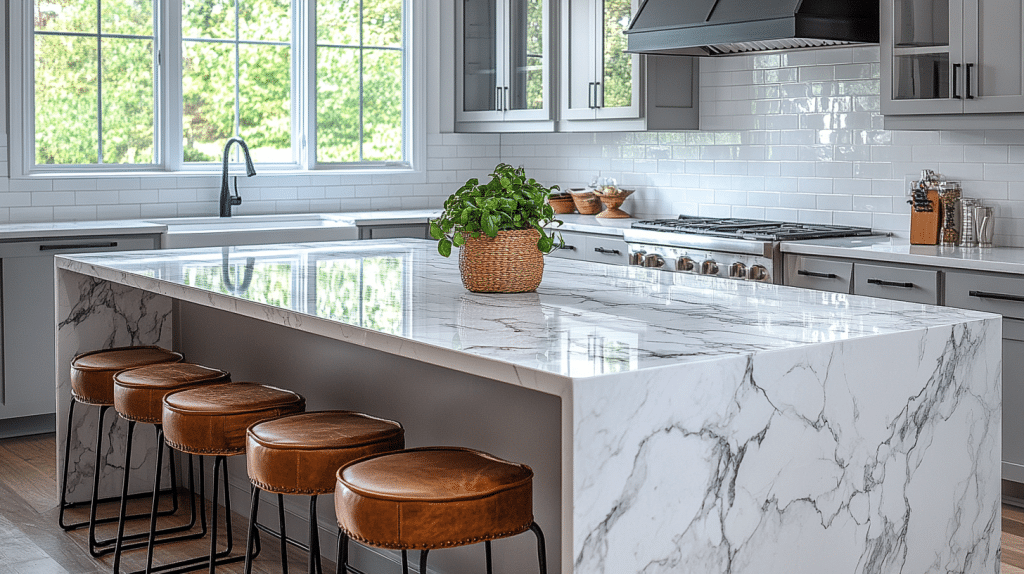
A wabi sabi garden is about what the weather does to it. I leave the moss and the worn stone, because the calm comes from the imperfection.
Ever felt overwhelmed by perfectly manicured gardens that scream artificial maintenance? Welcome to the world of wabi-sabi gardens—where beauty lives in imperfection, and nature writes its own design rules.
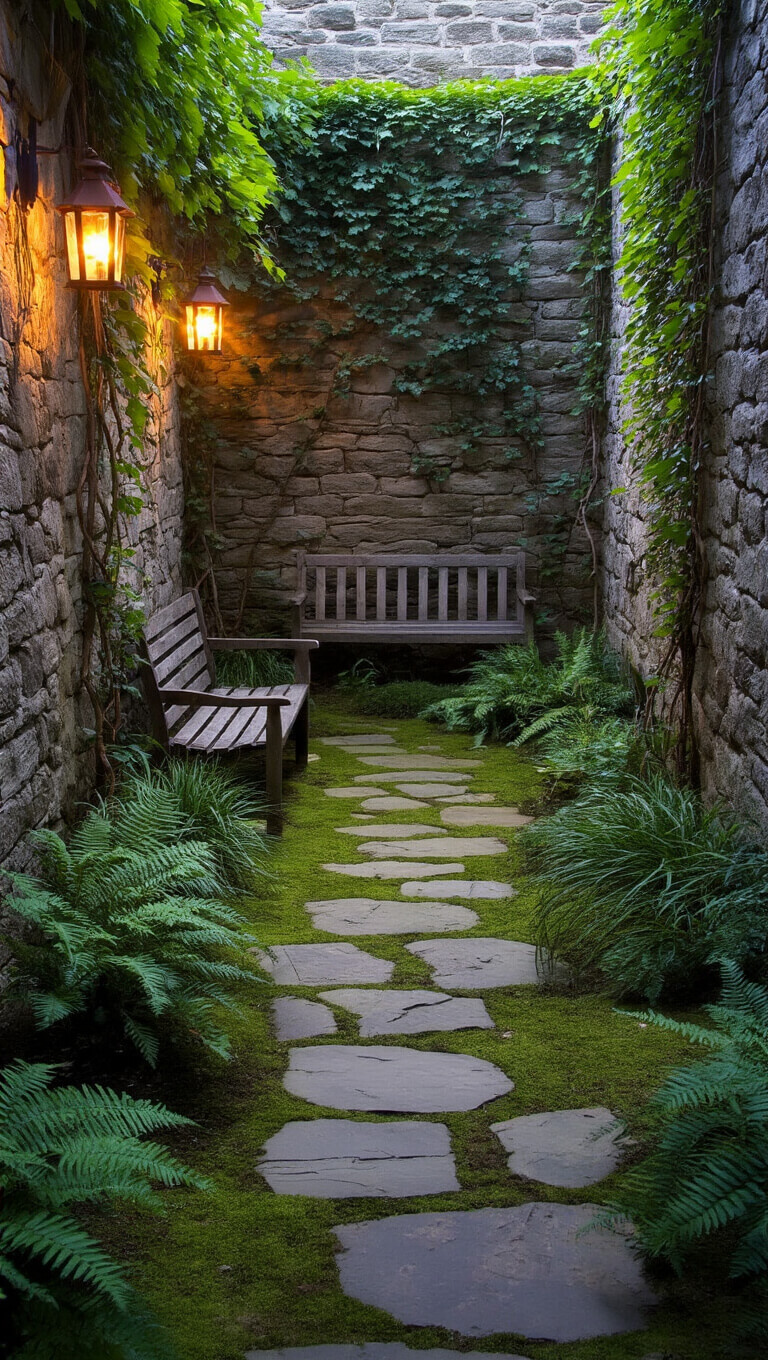
What Exactly is a Wabi-Sabi Garden?
A wabi-sabi garden isn’t just a landscape. It’s a philosophy, a meditation, a celebration of life’s beautiful imperfections. Think weathered stones, moss-covered paths, and spaces that breathe with natural asymmetry.
Why You’ll Fall in Love with Wabi-Sabi Gardening
Key Attractions:
- Minimal effort, maximum soul
- Celebrates natural aging
- Works in ANY space
- Connects you deeply with nature
- Reduces gardening stress
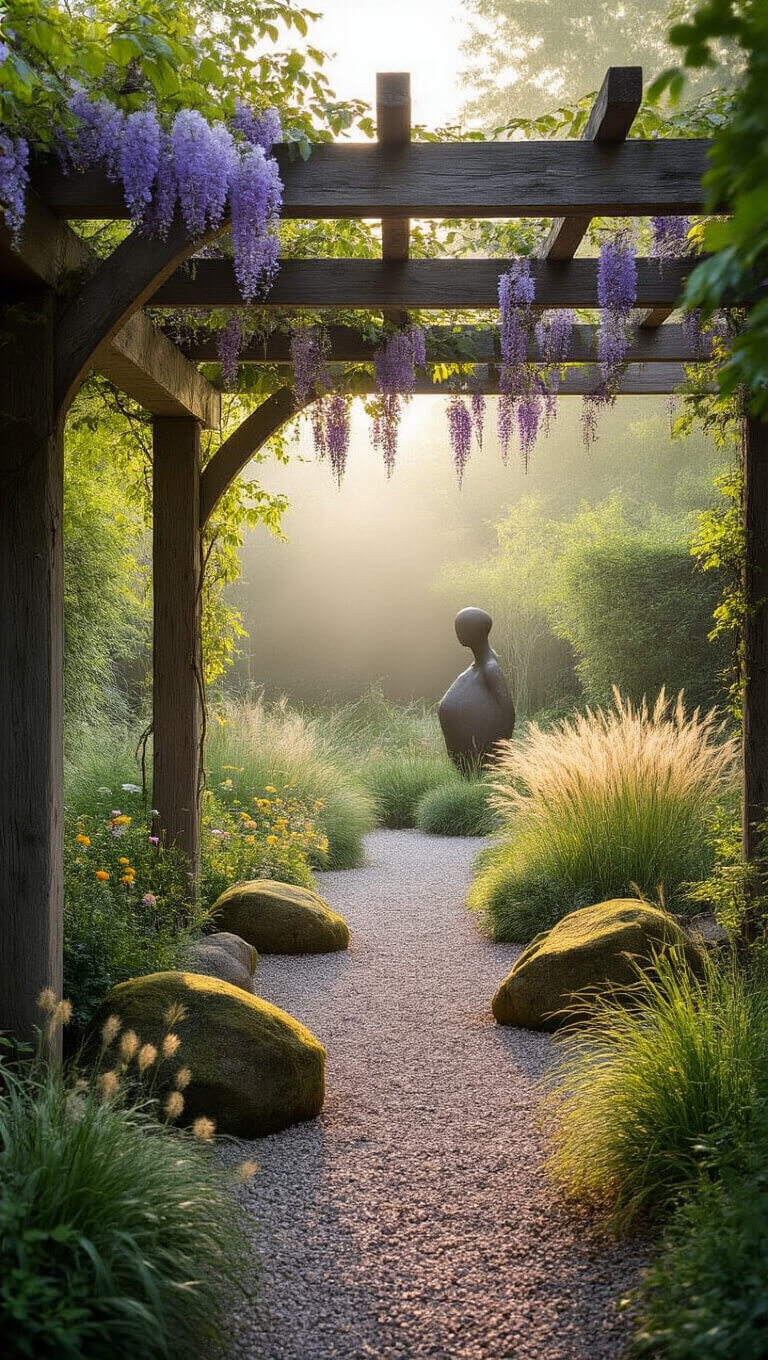
Essential Elements for Your Wabi-Sabi Garden
Materials That Tell a Story
Must-Have Textures:
- Weathered wood
- Unpolished stones
- Rusted metal
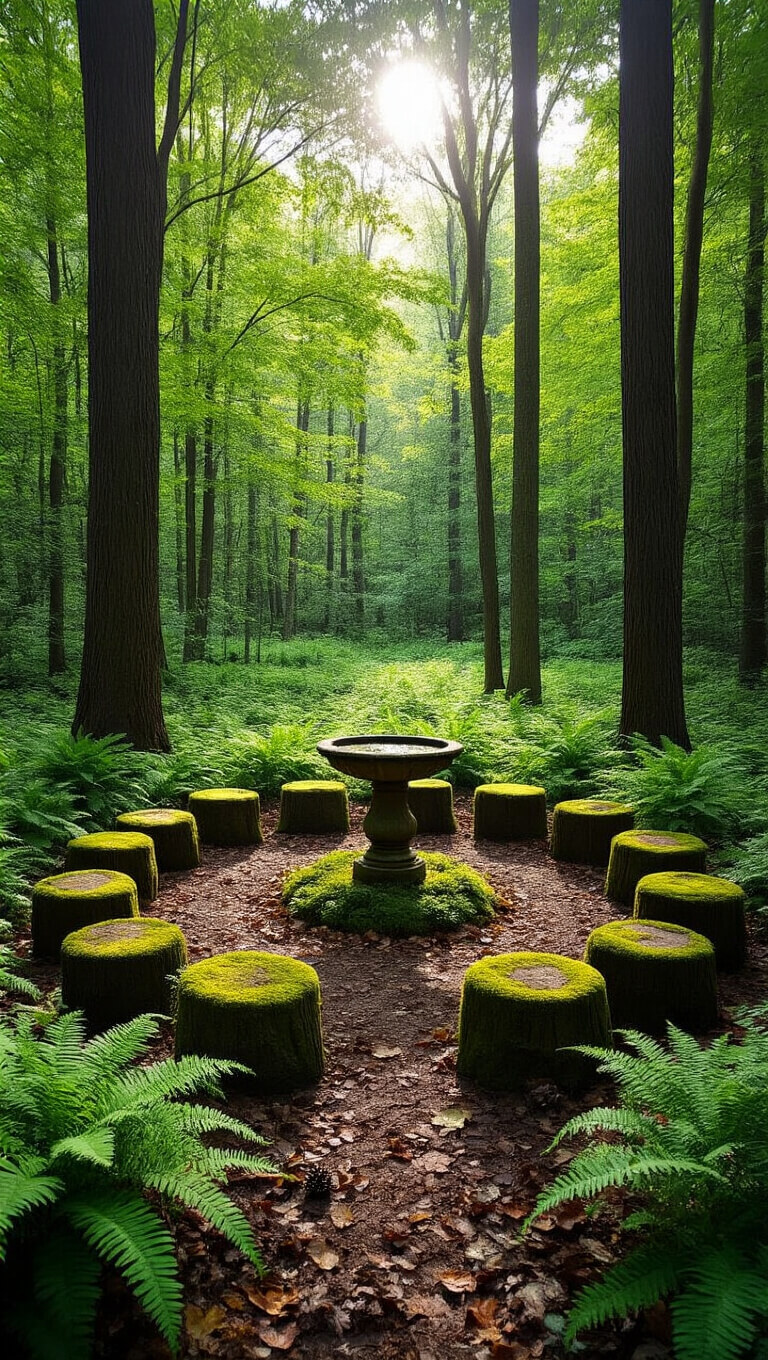
- Soft mosses
- Natural clay
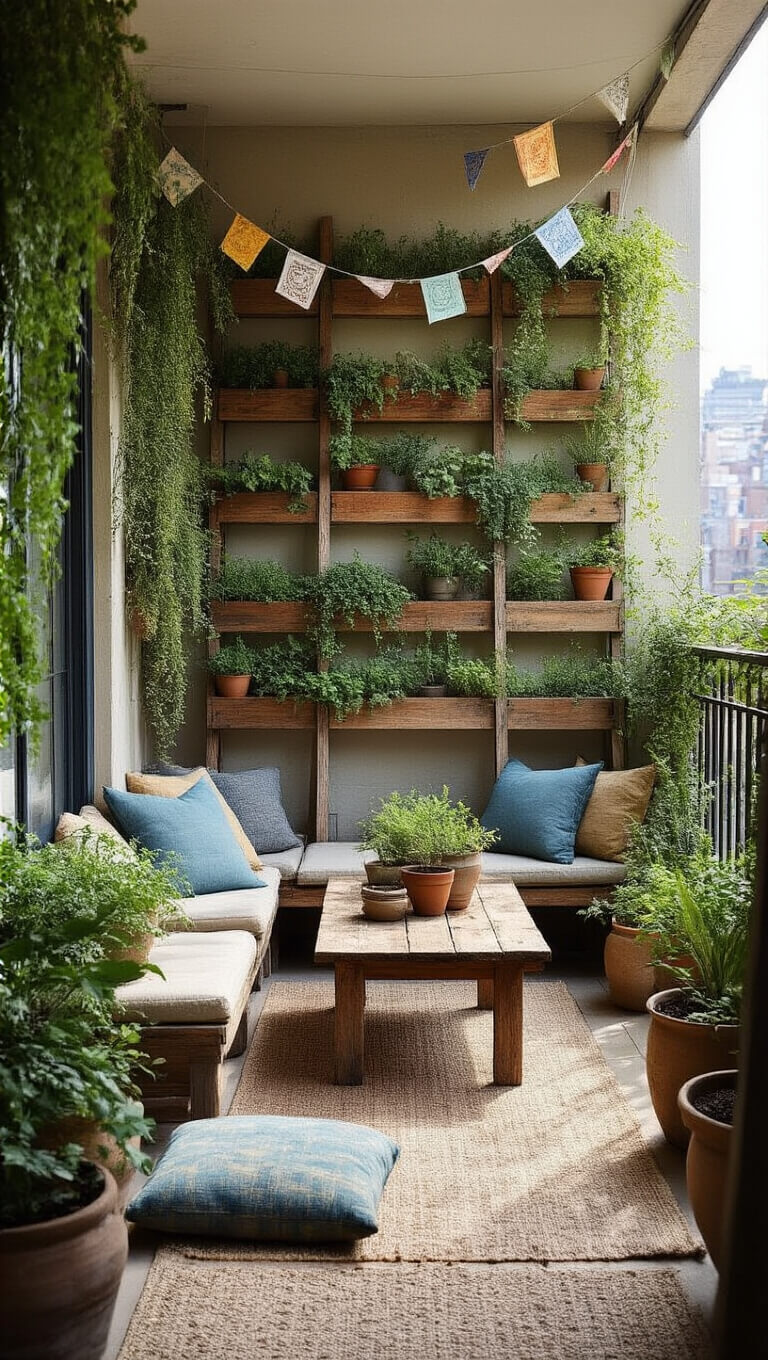
Strategic Placement Secrets
Pro Styling Tips:
- Avoid perfect symmetry
- Leave some “imperfect” spaces
- Let plants grow somewhat wild
- Embrace natural decay
- Use organic, muted color palettes
Creating Your Tranquil Space: Step-by-Step Guide
1. Choose Your Canvas
- Small courtyard? Perfect.
- Expansive backyard? Even better.
- Balcony? Absolutely doable.
2. Select Hero Elements
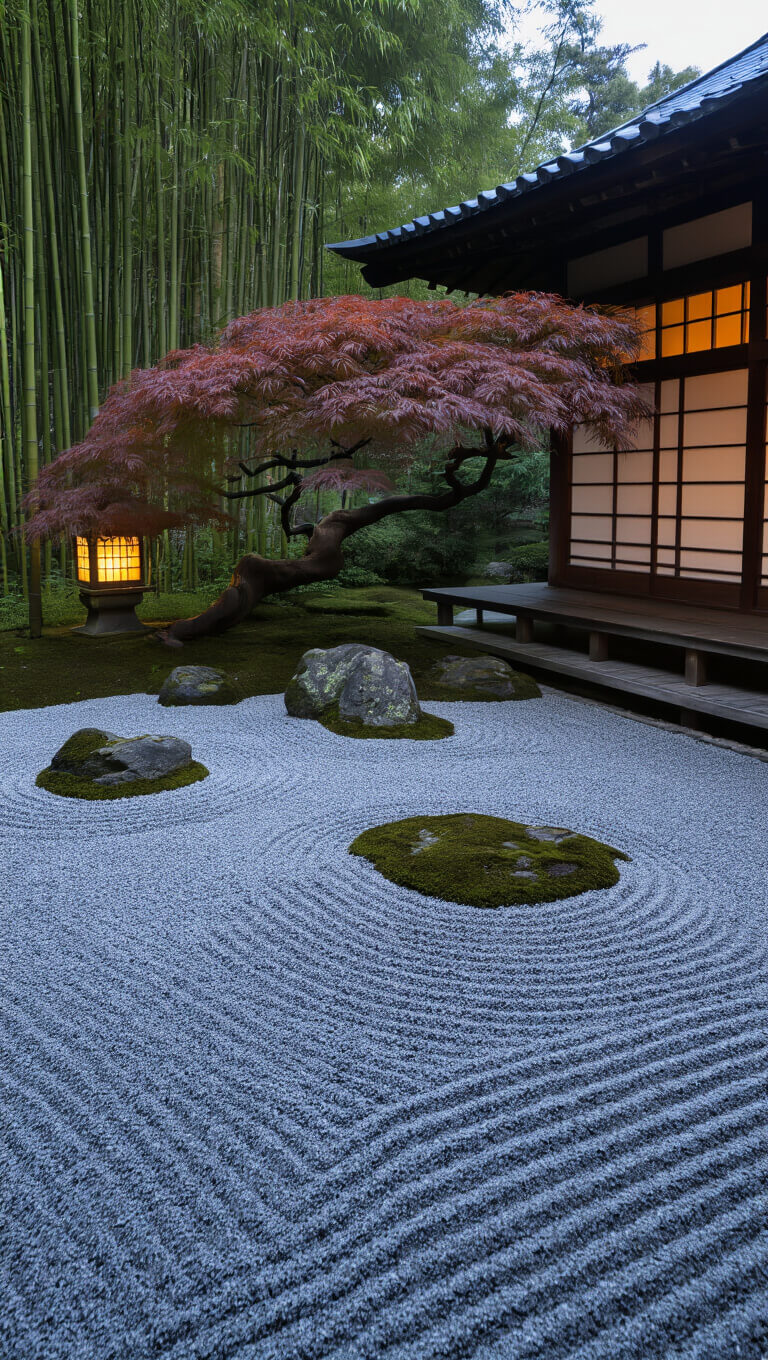
- Moss-covered stones
- Aged wooden benches
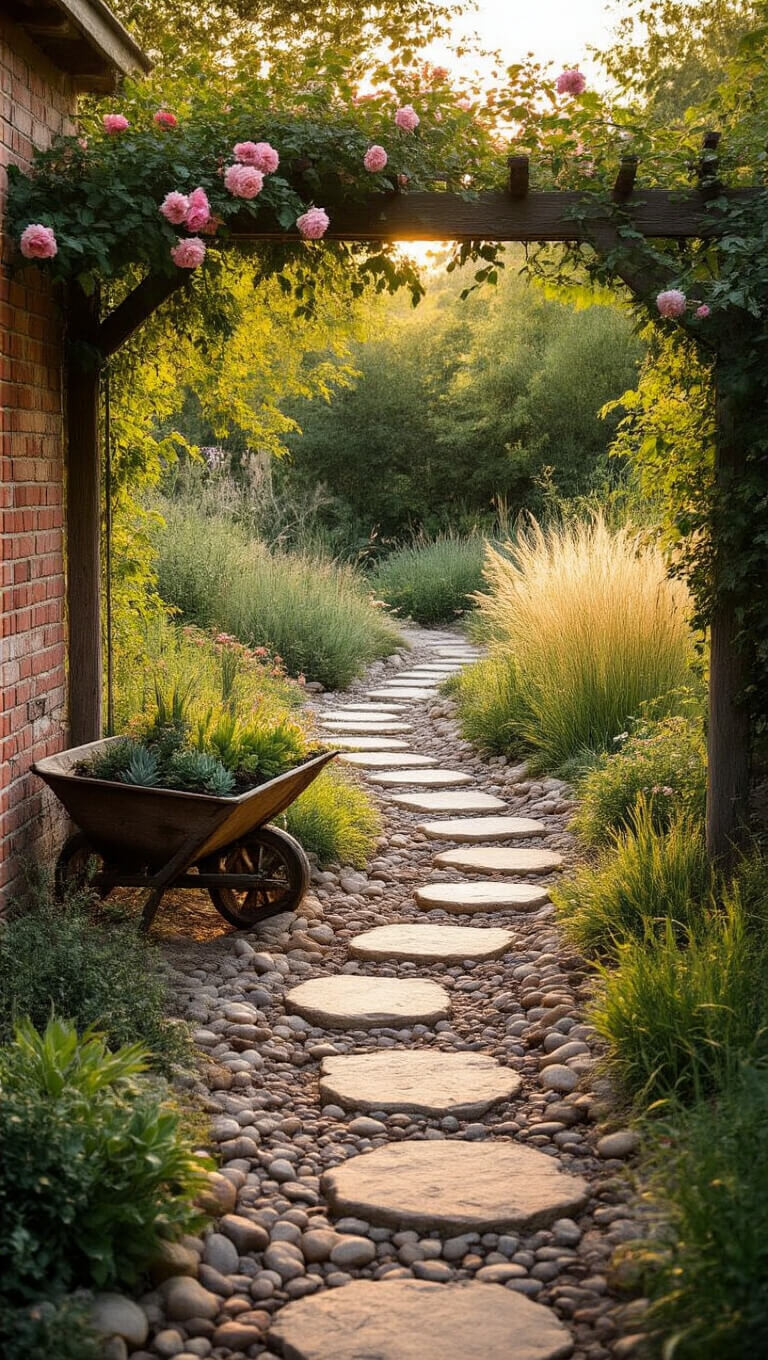
- Natural stone paths
- Rustic iron sculptures
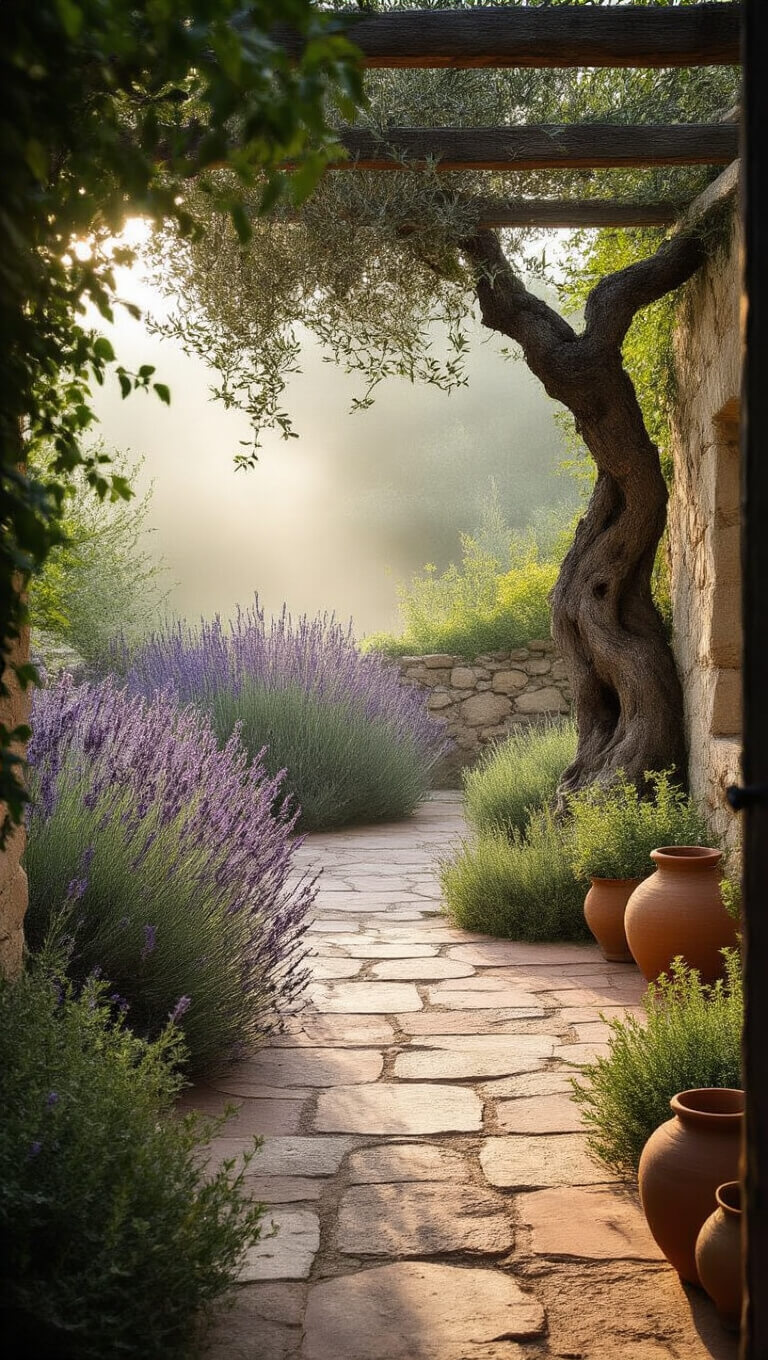
- Unglazed pottery
3. Layer with Living Elements
- Native grasses
- Ferns
- Small Japanese maple
- Wildflowers
- Self-seeding plants
4. Styling Magic
- Group objects in odd numbers
- Create gentle, wandering paths
- Allow negative space
- Let leaves and seed pods remain
- Embrace asymmetry
Maintenance: Less is Definitely More
Wabi-Sabi Garden Care:
- Minimal pruning
- Let plants follow natural growth
- Accept and celebrate imperfections
- Observe seasonal changes
- Use found/local materials
Budget-Friendly Tips
Save Money, Create Beauty:
- Forage materials from your environment
- Use local, native plants
- Repurpose old wood/stones
- Let nature do most of the work
- Avoid expensive, manicured elements
When to Add or Refresh
Seasonal Inspiration:
- Spring: Emerging mosses
- Summer: Lush green textures
- Autumn: Falling leaves
- Winter: Bare branches, stone textures
Common Mistakes to Avoid
Don’t:
- Over-manicure
- Force symmetry
- Use bright, artificial colors
- Remove every fallen leaf
- Stress about perfection
Your Wabi-Sabi Journey
Remember, a wabi-sabi garden is a living, breathing entity. It’s not about creating a picture-perfect scene, but about embracing life’s natural rhythms and finding beauty in impermanence.
Pro Tip: Your garden will evolve. Your job? Simply observe, appreciate, and gently guide.
Final Thoughts
Wabi-sabi gardening isn’t a style—it’s a mindset. It teaches us to find extraordinary beauty in the ordinary, to slow down, and to connect with the subtle magic of nature.
Outdoor spaces settle in over a season. Plan where you walk and where you stop, and the rest fills in on its own.