A wabi-sabi bench should look like it was found, not bought. I look for one honest material and a worn edge, because the calm comes from the imperfection.
Tired of cookie-cutter furniture that feels mass-produced and soulless? Let’s dive into the world of wabi-sabi benches – where every crack, knot, and imperfection tells a story.
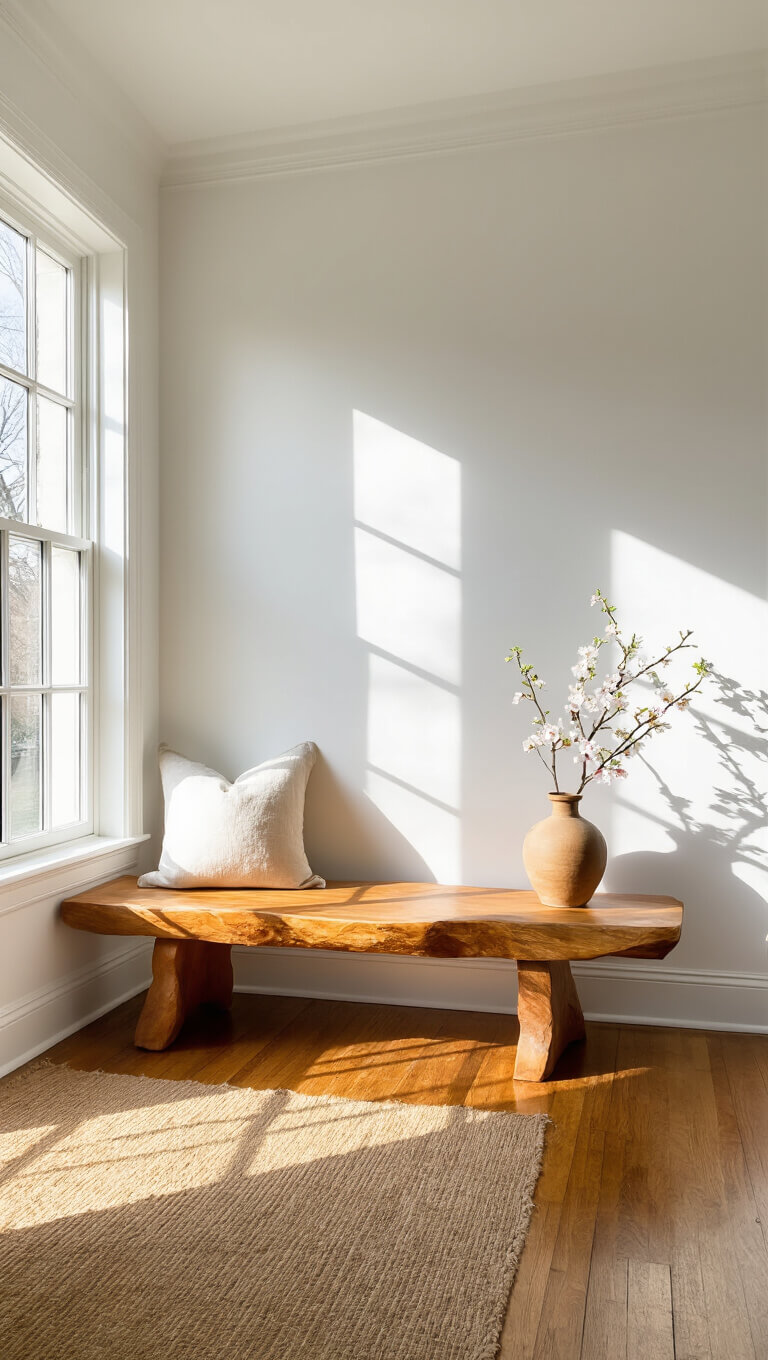
What Exactly is a Wabi-Sabi Bench?
A wabi-sabi bench isn’t just furniture. It’s a philosophy carved in wood, celebrating:
- Natural materials
- Imperfect beauty
- Simplicity
- Authenticity
- The passage of time
Choosing Your Perfect Wabi-Sabi Bench: Material Matters
I’ve learned that material selection is the heart of wabi-sabi design. Look for:
Wood Types That Sing Wabi-Sabi:
- Teak
- Walnut
- Reclaimed barn wood
- Elm
- Pine
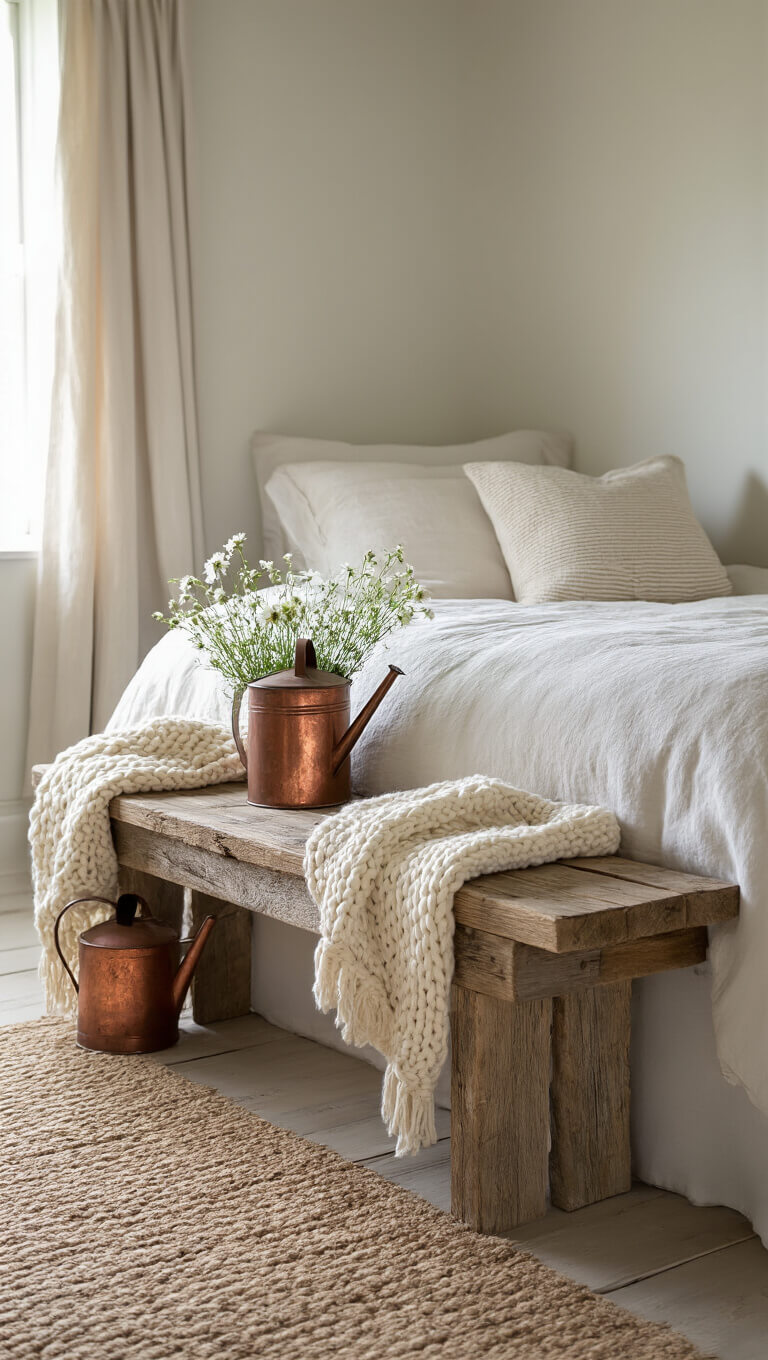
Key Design Characteristics:
- Visible wood grain
- Natural knots
- Untreated surfaces
- Minimal joinery
- Organic, asymmetrical shapes
Design Approaches to Capture Wabi-Sabi Essence
1. Live-Edge Benches
- Retain natural tree silhouette
- Showcase wood’s raw character
- Blend materials like stone and wood
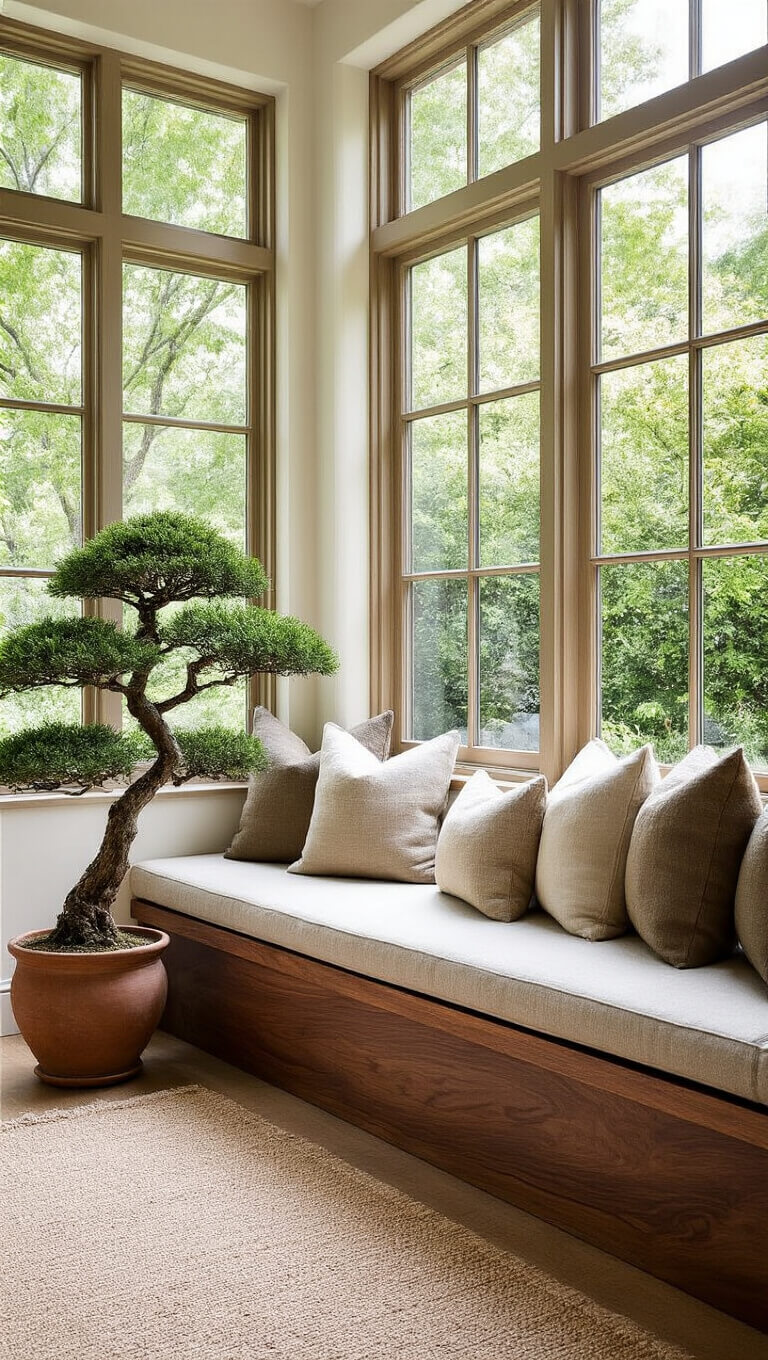
2. Vintage & Salvaged Options
- Old church pews
- Rustic farm benches
- Repurposed wooden beams
Styling Your Wabi-Sabi Bench: Pro Tips
Placement Strategies:
- Against plain walls
- Entryway focal points
- Minimal surrounding decor
- Embrace negative space
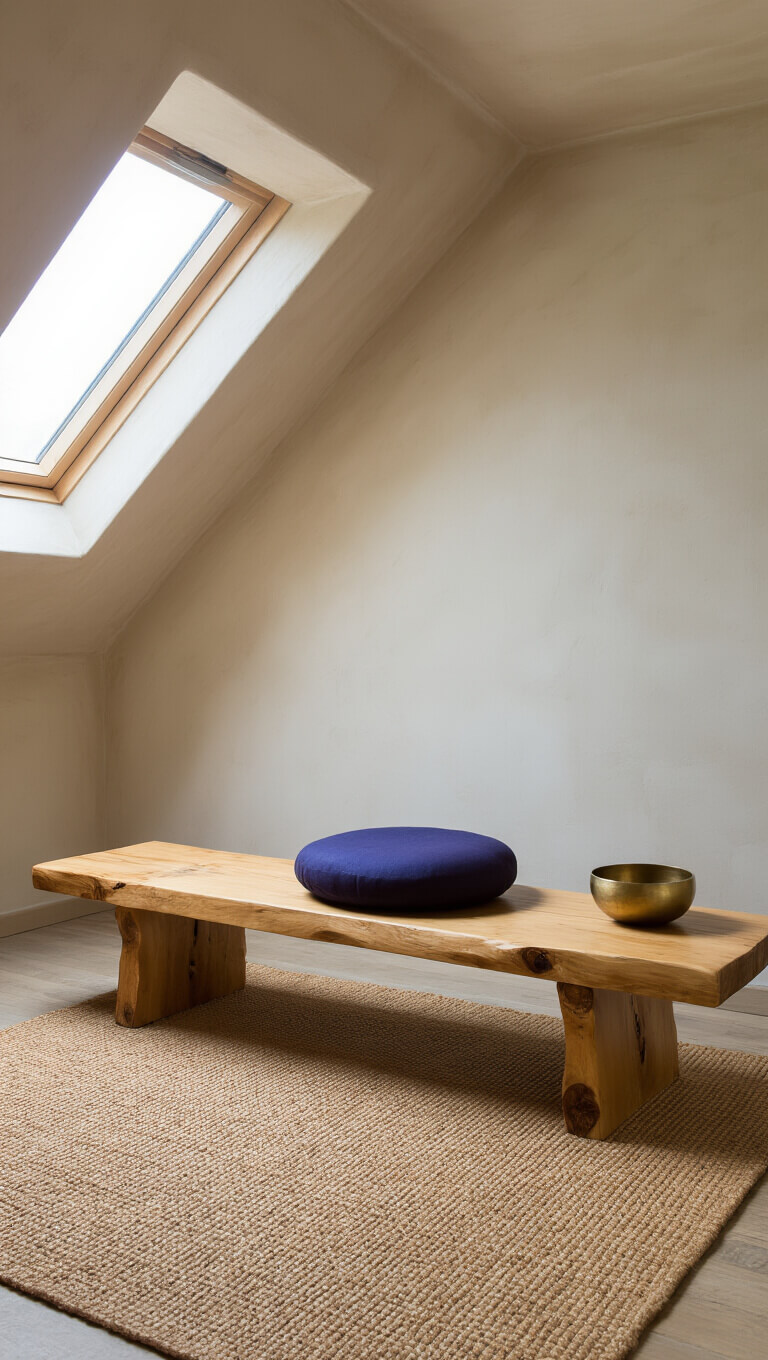
Texture and Accessorizing:
- Single linen cushion
- Muted, earthy tones
- Handmade ceramic vase
- Single branch or wildflower arrangement
DIY Wabi-Sabi Bench Creation
Want to craft your own? Here’s a quick guide:
- Use reclaimed wood
- Minimal sanding
- Natural oil finishes
- Experiment with contrasting legs
- Embrace imperfections
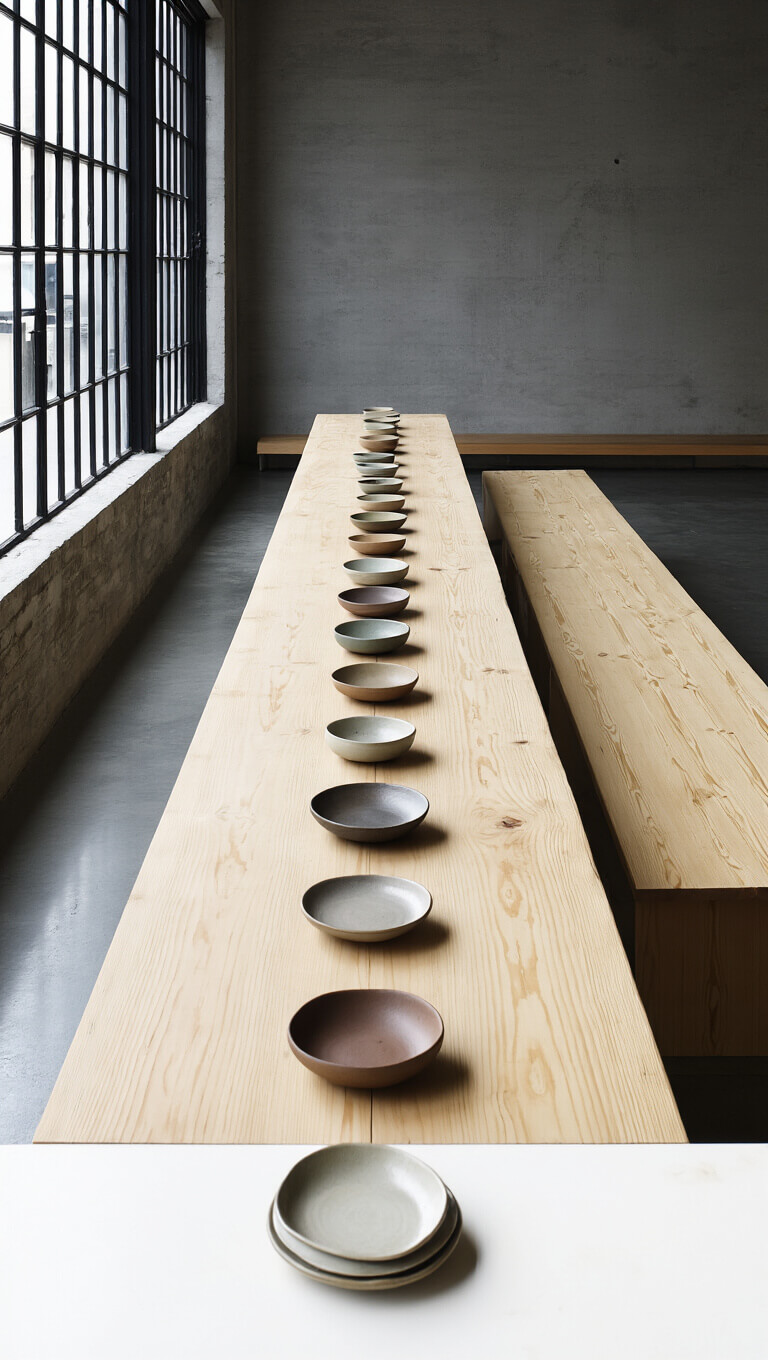
Perfect Placement Ideas
Indoor Locations:
- Bedroom foot
- Entryway
- Meditation corner
- Home office
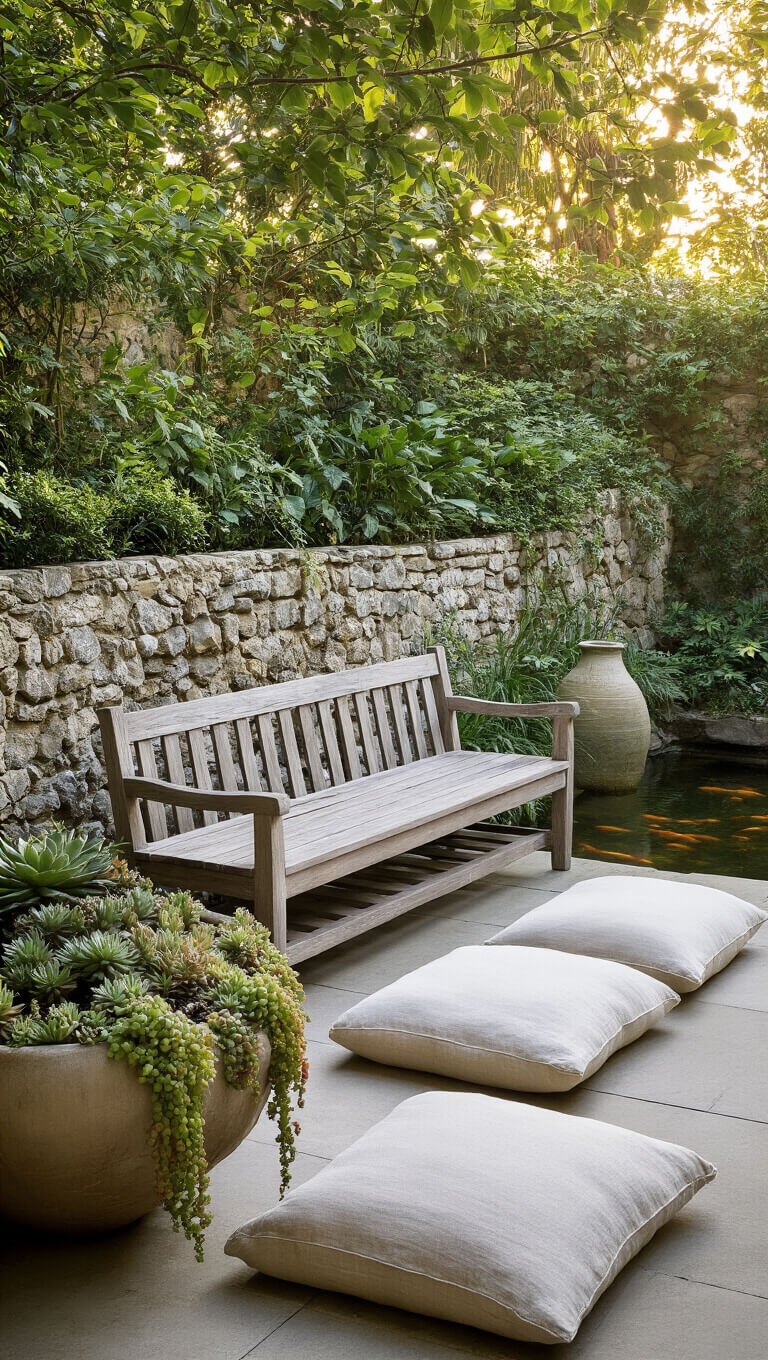
Outdoor Spaces:
- Garden seating
- Patio accent
- Balcony relaxation spot
Pro Sourcing Tips
- Etsy for unique pieces
- Pinterest for inspiration
- Local woodworkers
- Antique markets
- Salvage yards
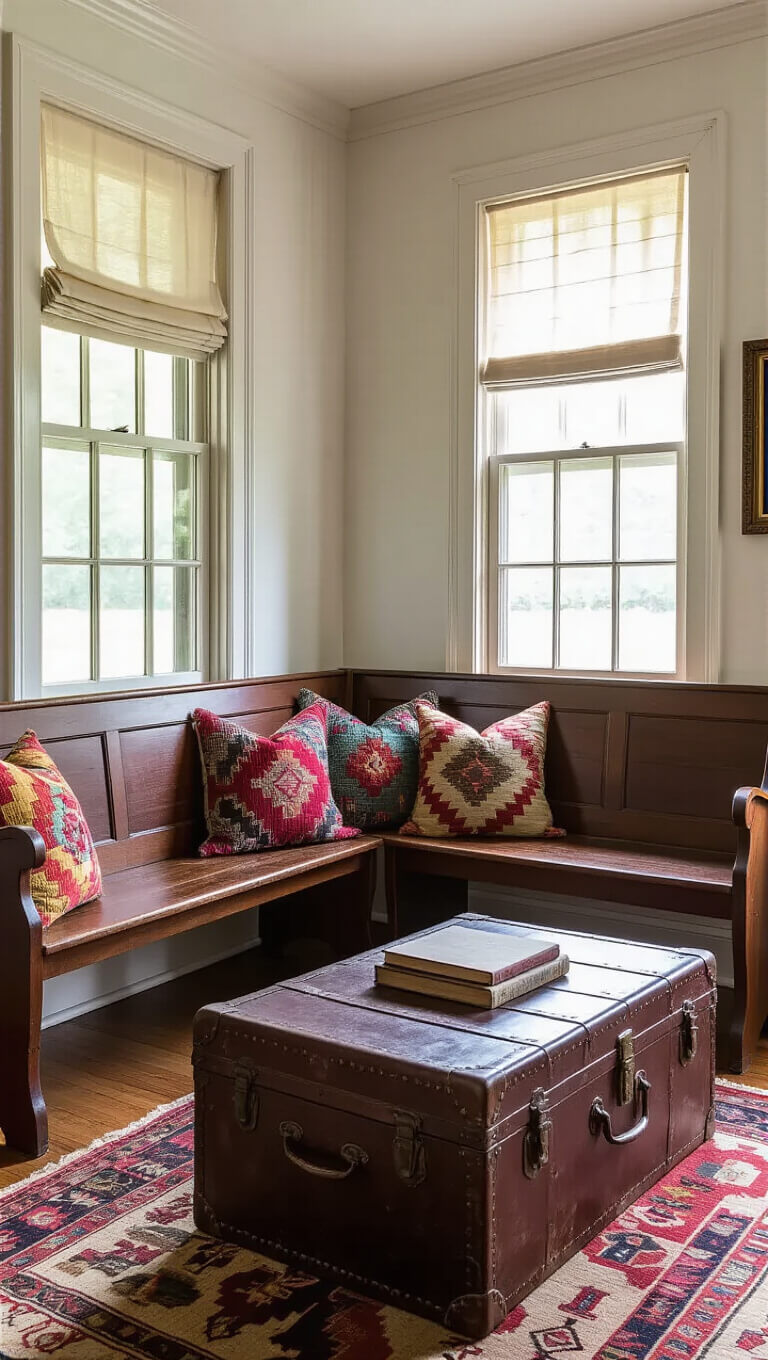
Final Thoughts
Wabi-sabi isn’t about perfection. It’s about finding beauty in simplicity, embracing natural wear, and telling a story through your furniture.
The rooms that hold up best are planned around daily habits. Pick the changes that fit how you live and the space feels right for years.
Resource Links
- Wabi-Sabi Design Principles
- Handcrafted Furniture Makers
- Sustainable Wood Sourcing