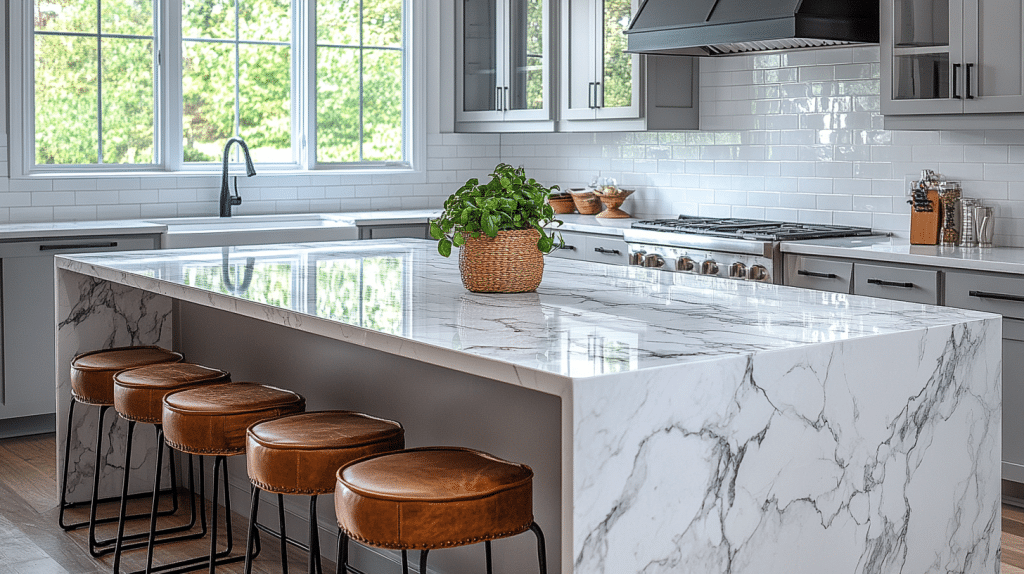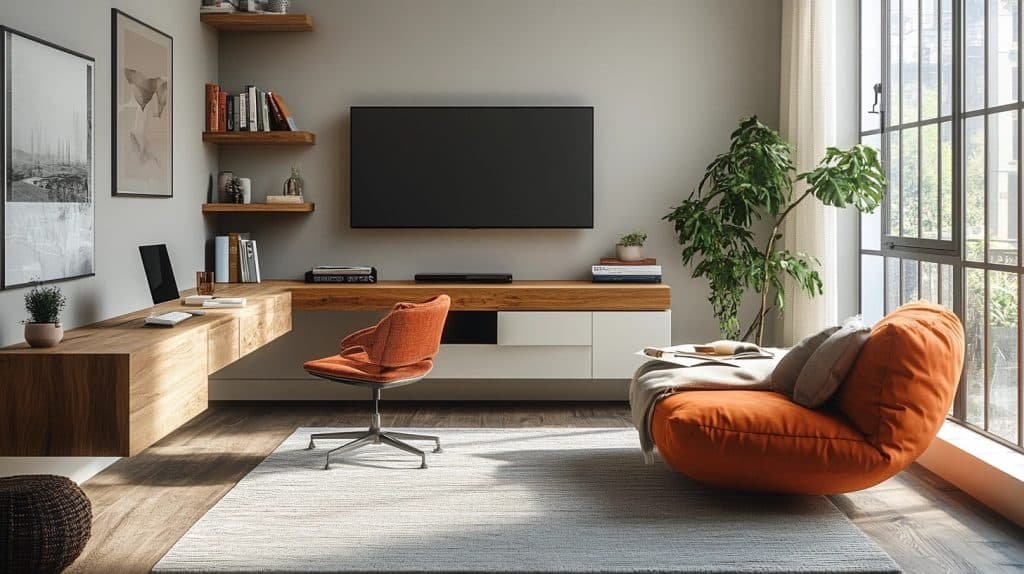
Wabi sabi architecture is restraint with warmth, clean lines softened by natural wood. I keep the palette quiet and the objects few, so the build feels calm.
Imagine walking into a space that breathes authenticity. Where every crack, every weathered surface tells a story. That’s the essence of wabi-sabi architecture.
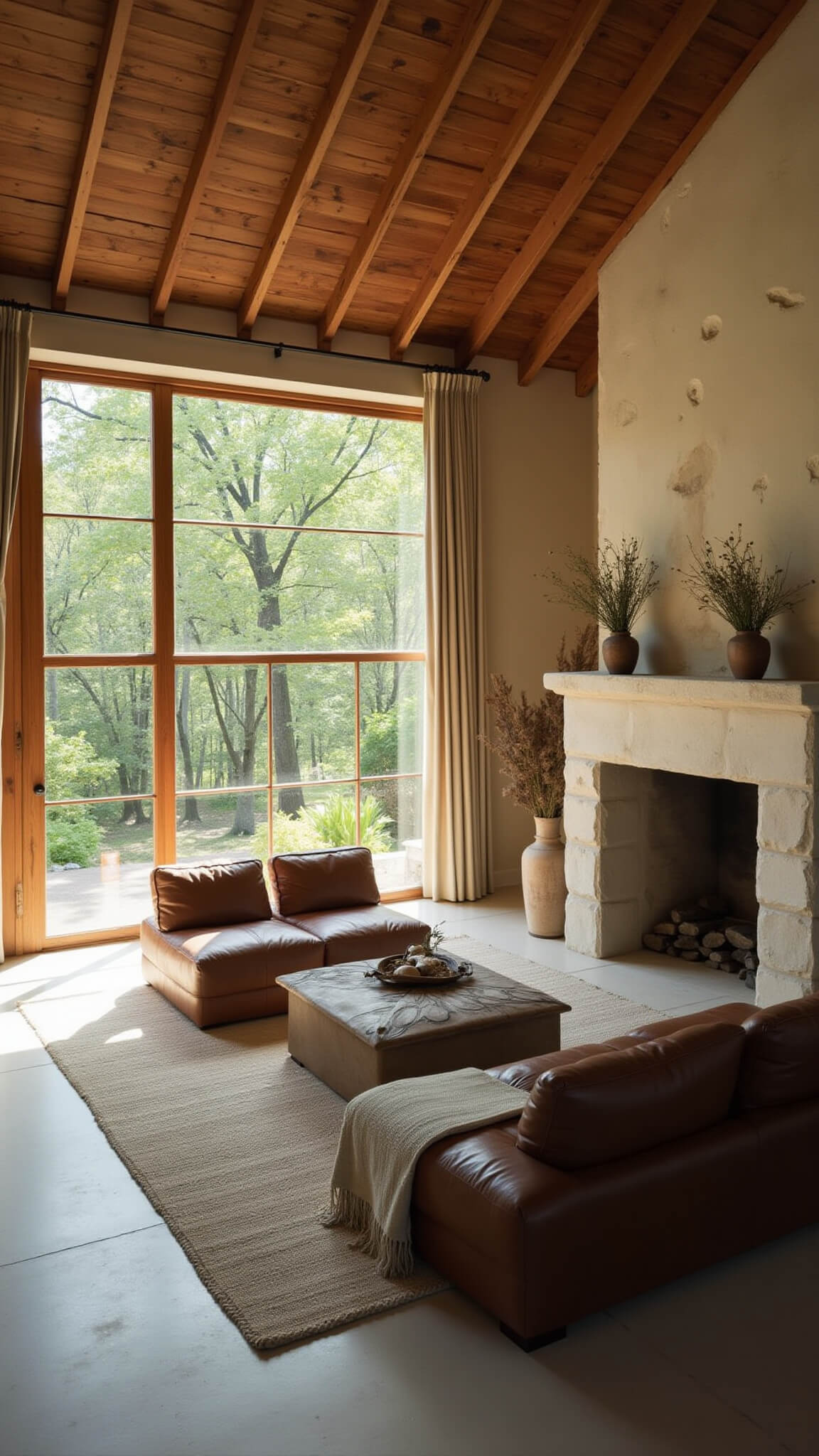
The Heart of Wabi-Sabi Design
Key Characteristics:
- Celebrates natural imperfections
- Embraces materials in their most authentic state
- Finds beauty in aging and wear
- Connects deeply with natural environments
Materials That Tell a Story
Wabi-sabi doesn’t hide flaws—it highlights them. Think:
- Unpolished wood with visible grain
- Stone surfaces with natural irregularities
- Handcrafted ceramics showing maker’s touch
- Weathered metals revealing their journey
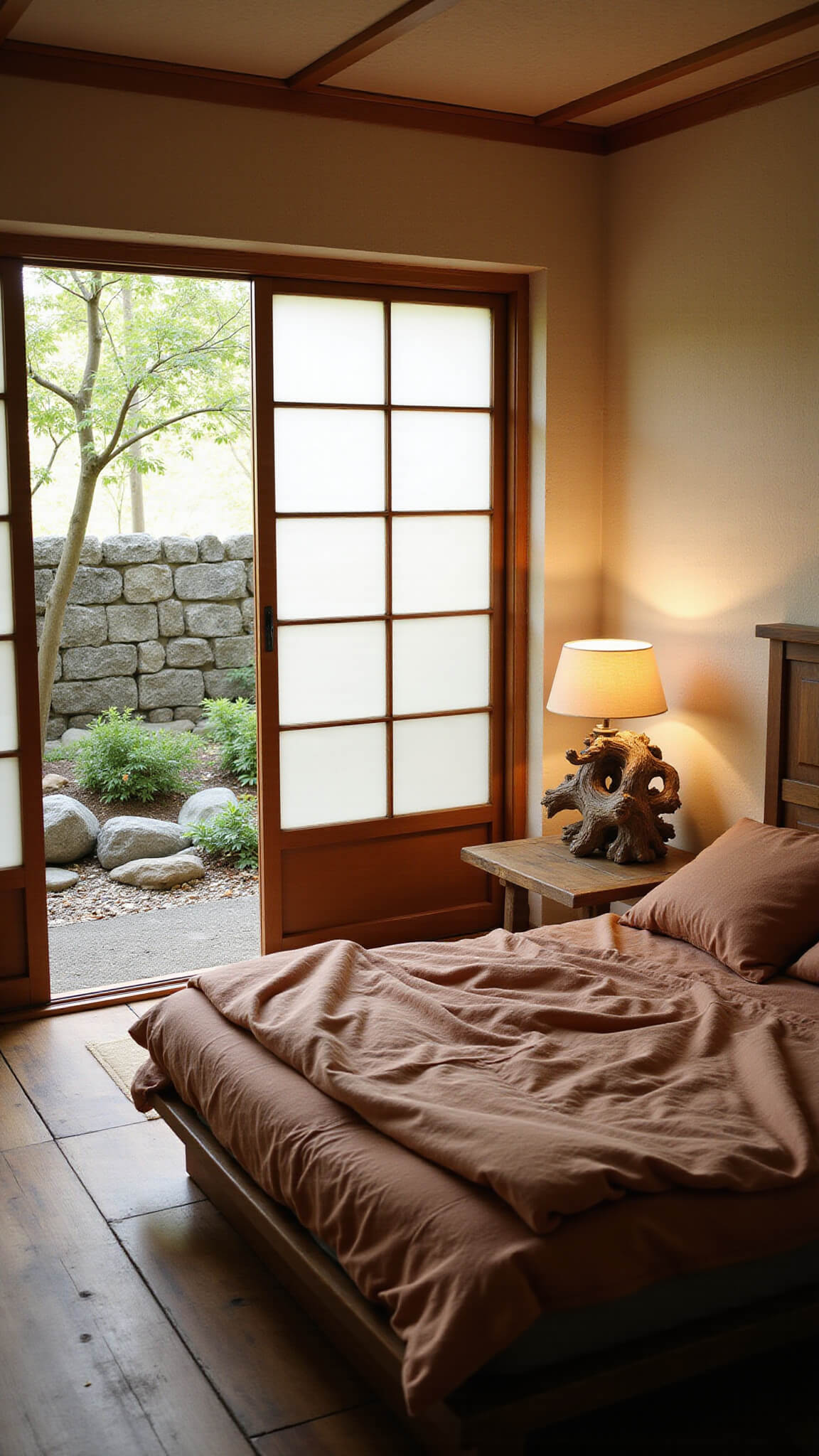
Color Palette: Nature’s Quiet Tones
The colors are a love letter to the earth:
- Soft moss greens
- Muted clay browns
- Gentle stone grays
- Weathered bronze tones
Architectural Principles in Practice
Blurring Indoor and Outdoor Boundaries
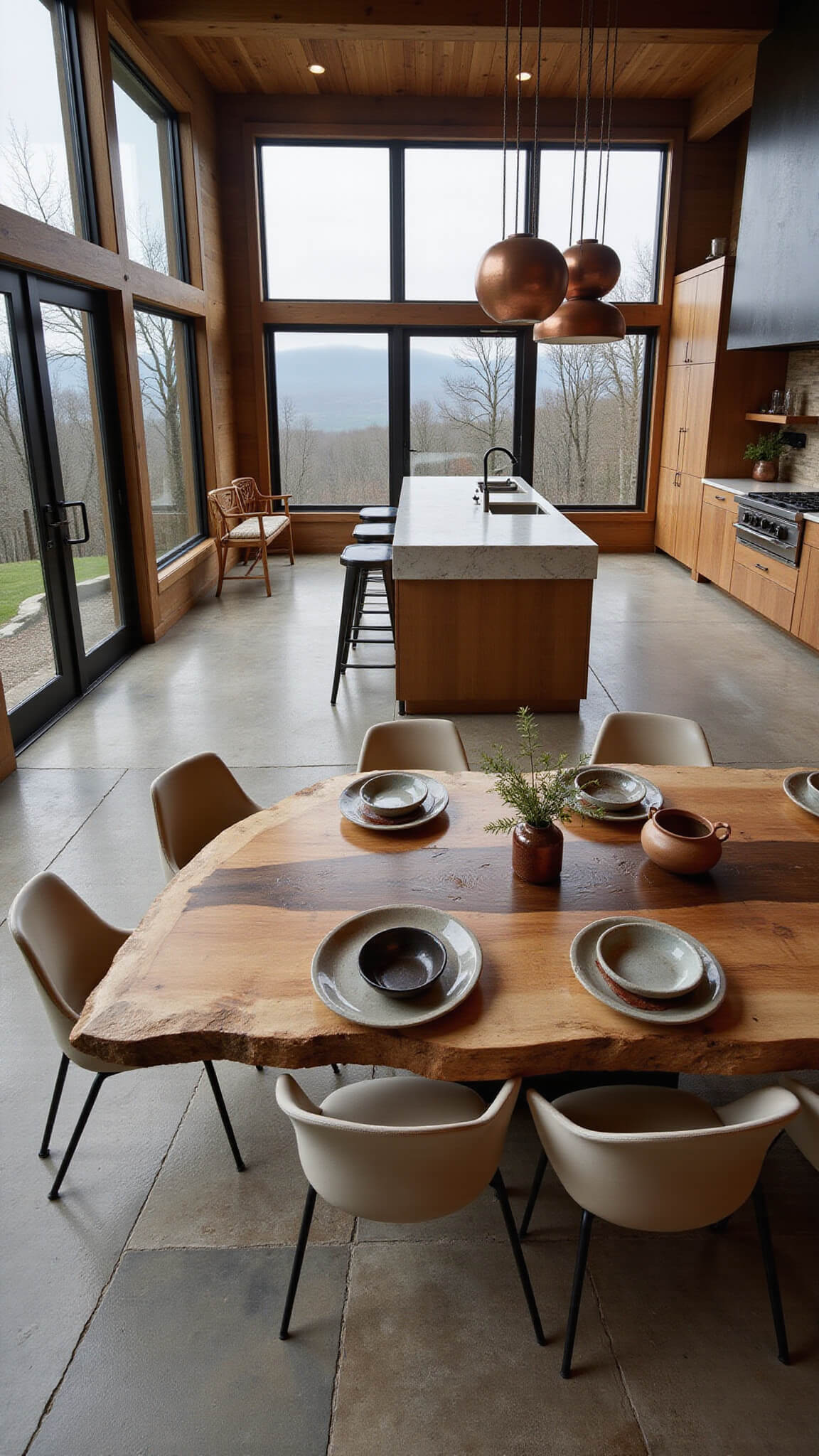
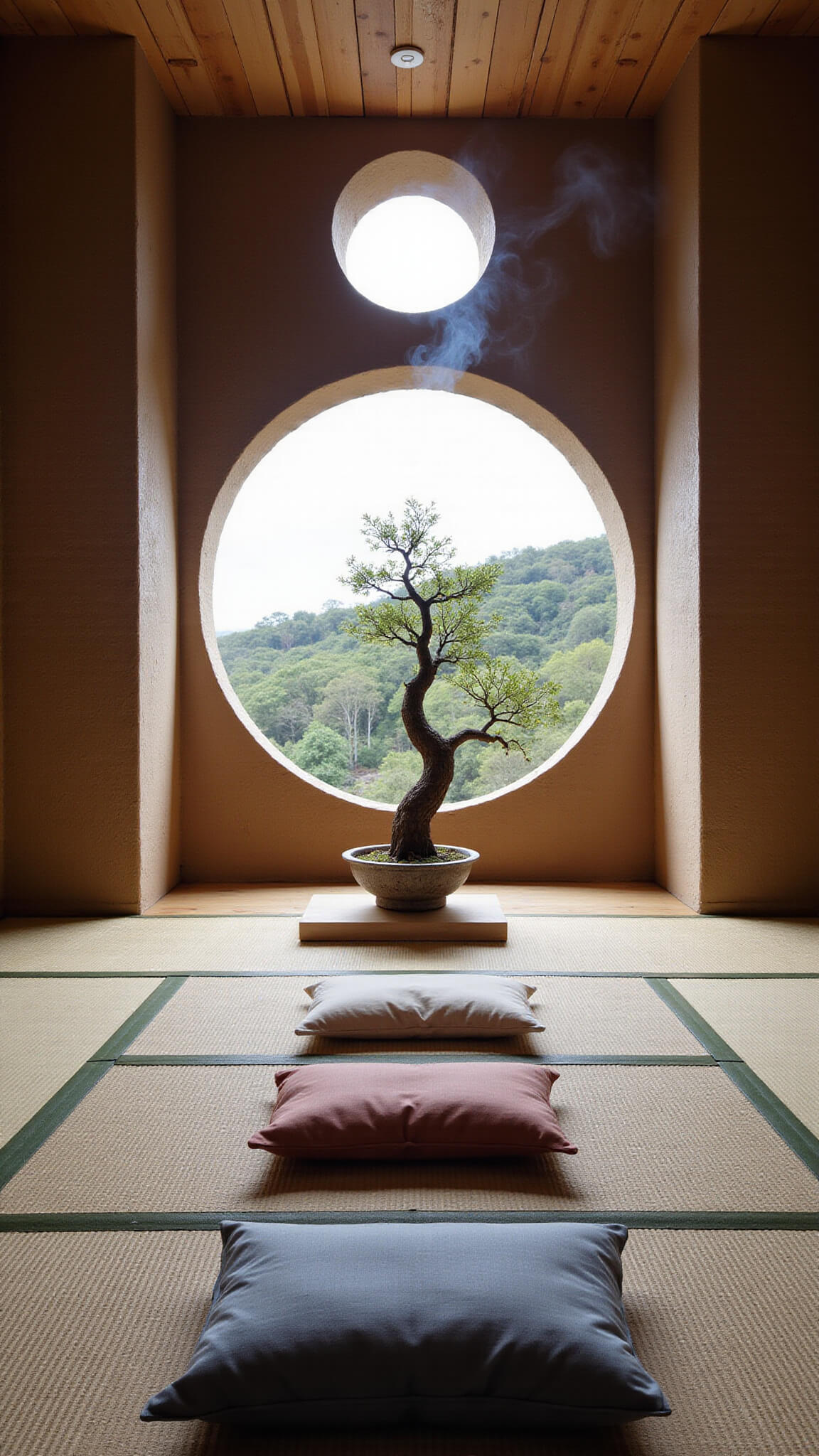
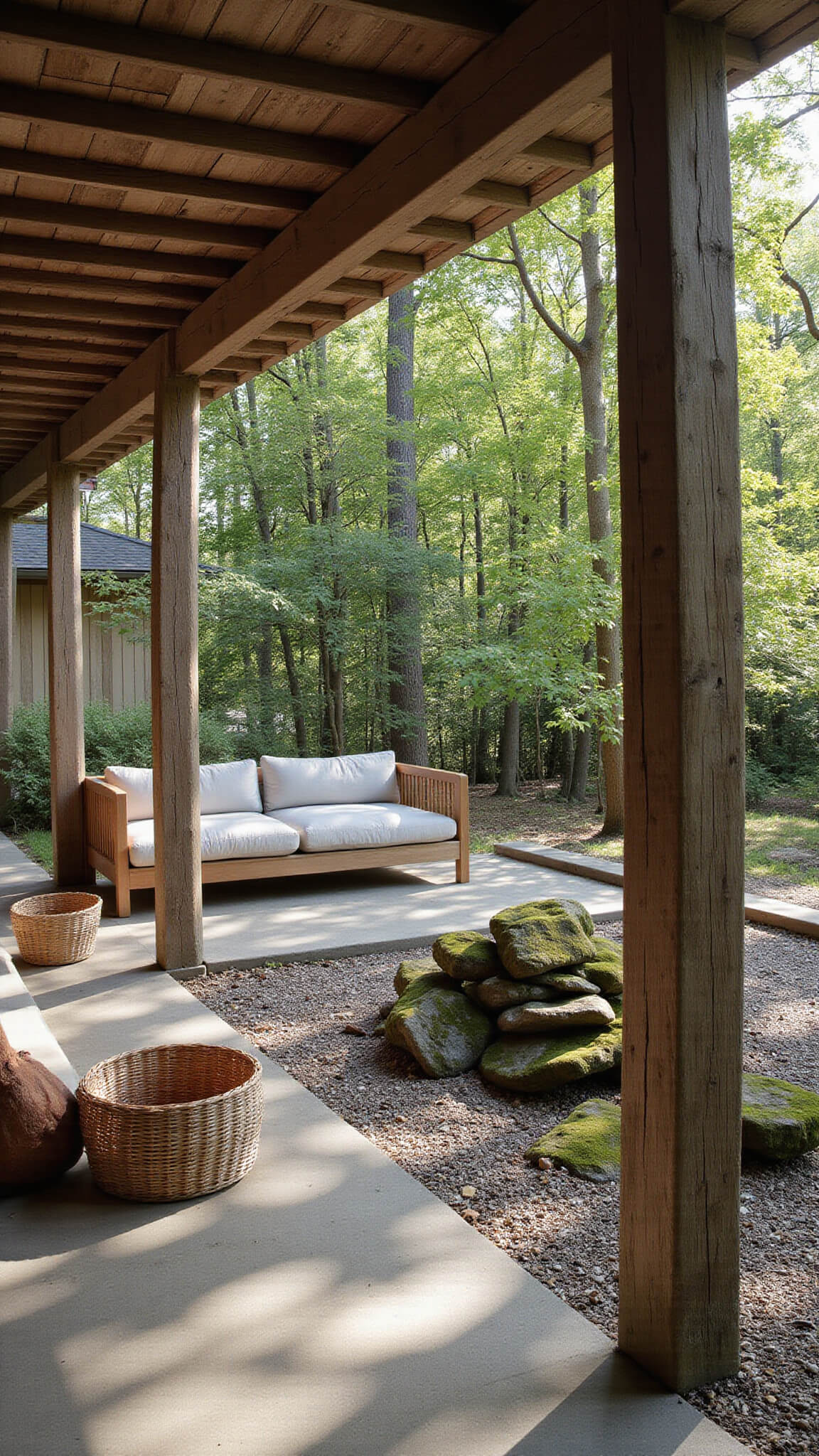
Wabi-sabi architecture sees no hard lines between interior and exterior. Large windows, open courtyards, and natural materials create a seamless transition.
Design Techniques:
- Expansive glass walls
- Indoor gardens
- Natural light as a design element
- Minimal, purposeful boundaries
Iconic Wabi-Sabi Inspired Spaces
- Ise Grand Shrine (Japan)
– Rebuilt every 20 years
– Uses untreated, natural materials
– Symbolizes impermanence - Ronchamp Chapel (France)
– Irregular forms
– Playful natural light
– Embraces architectural “imperfection”
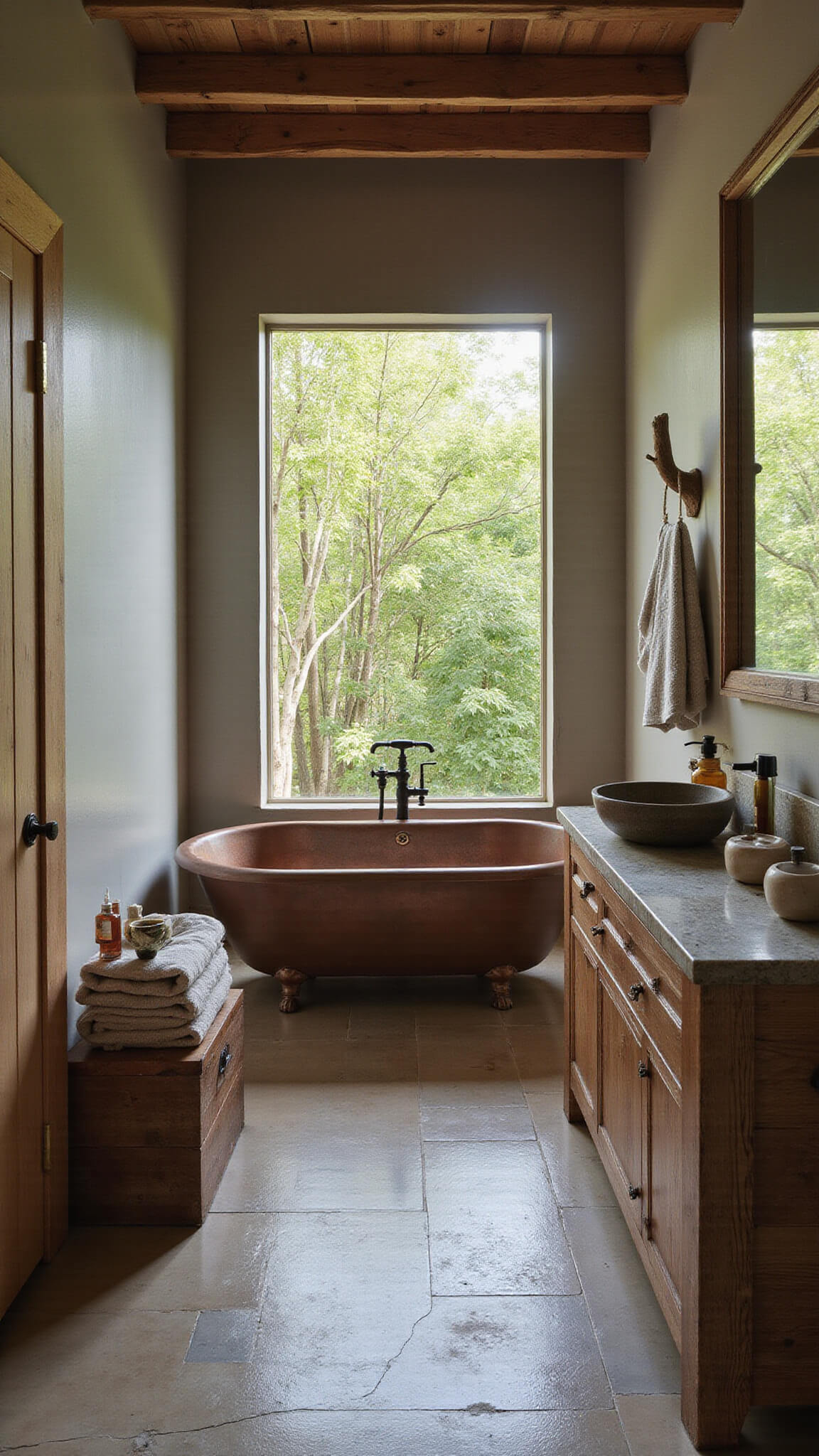
Beyond Aesthetics: A Philosophical Approach
Wabi-sabi isn’t just a design style—it’s a worldview. It teaches:
- Acceptance of change
- Beauty in simplicity
- Respect for natural cycles
- Appreciation of subtle details
Modern Interpretations
Contemporary architects like Kengo Kuma are reimagining wabi-sabi:
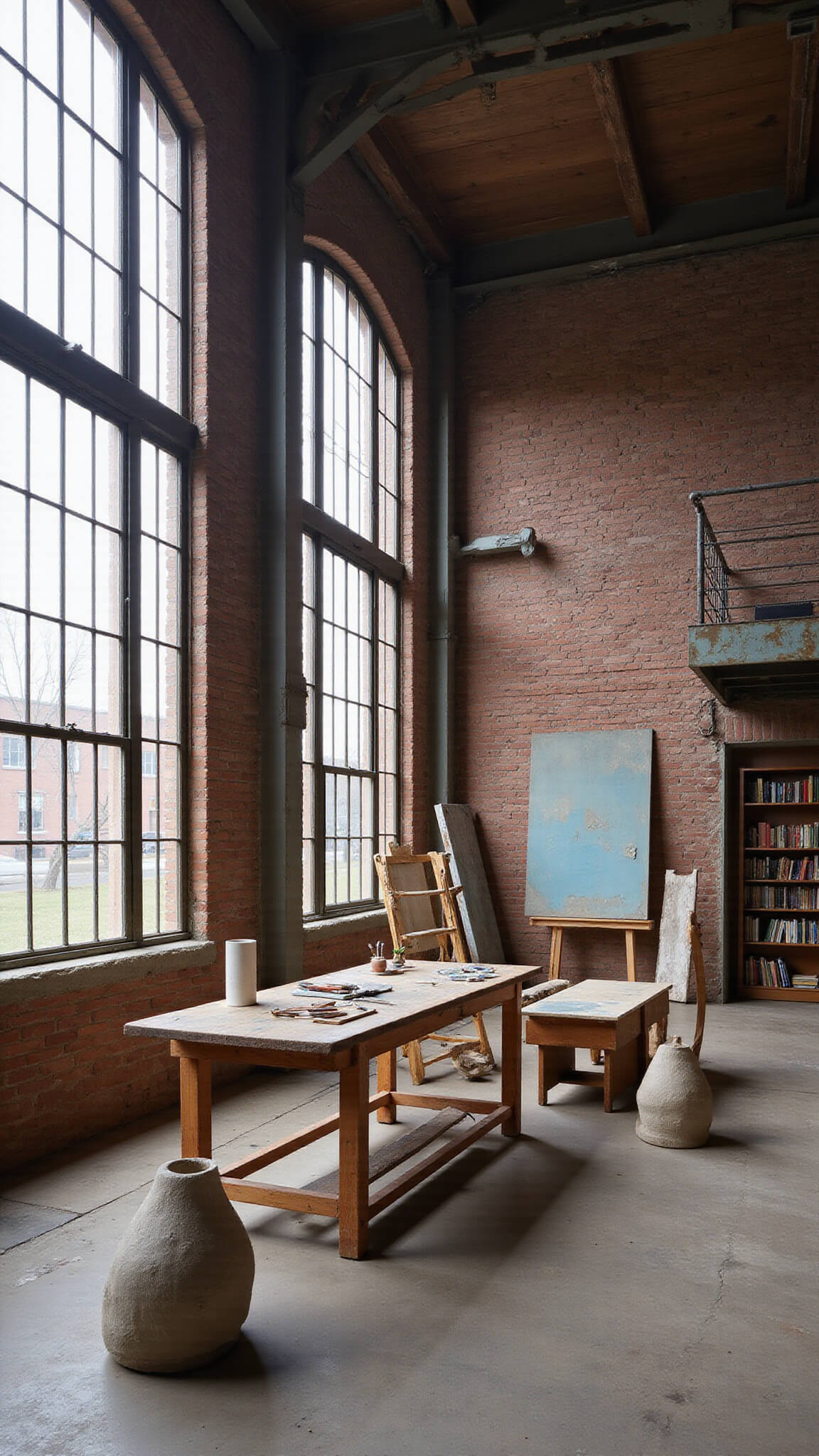
- Mixing industrial and natural materials
- Creating spaces that evolve
- Highlighting material transformations
Practical Application in Your Space
How to Incorporate Wabi-Sabi:
- Choose handcrafted items
- Allow natural wear and tear
- Use organic, textured materials
- Create calm, uncluttered spaces
- Embrace asymmetry
- Bring natural elements indoors
The Deeper Meaning
Wabi-sabi architecture is more than design—it’s a meditation on existence. It reminds us that beauty isn’t about perfection, but about authenticity, resilience, and the quiet dignity of natural processes.
Pro Tip: Wabi-sabi isn’t about making spaces look deliberately old or damaged. It’s about creating environments that feel genuine, lived-in, and connected to the natural world.
Final Thoughts
The calm comes from using fewer things, not more. Pick the pieces that earn their place and leave the rest open.