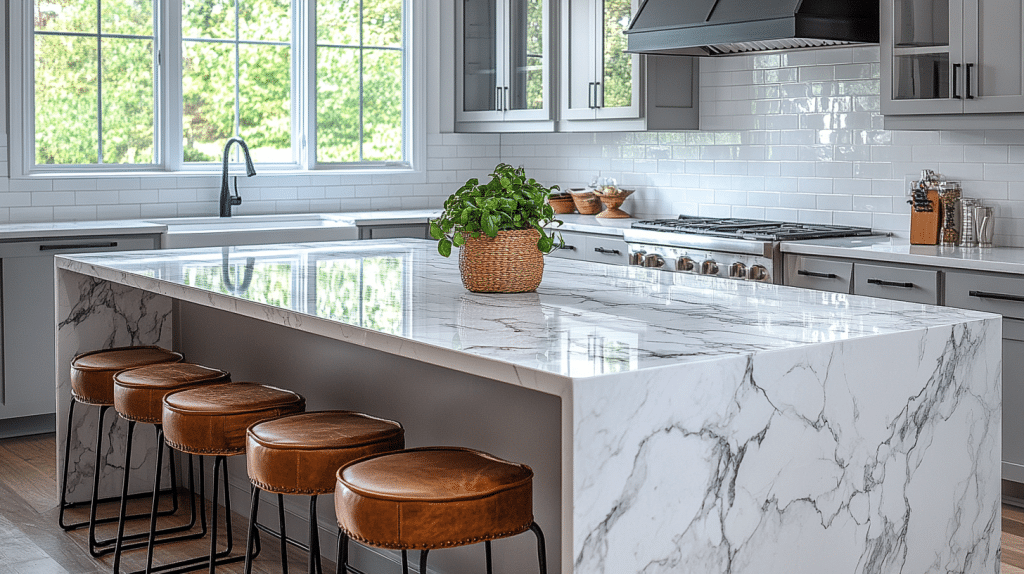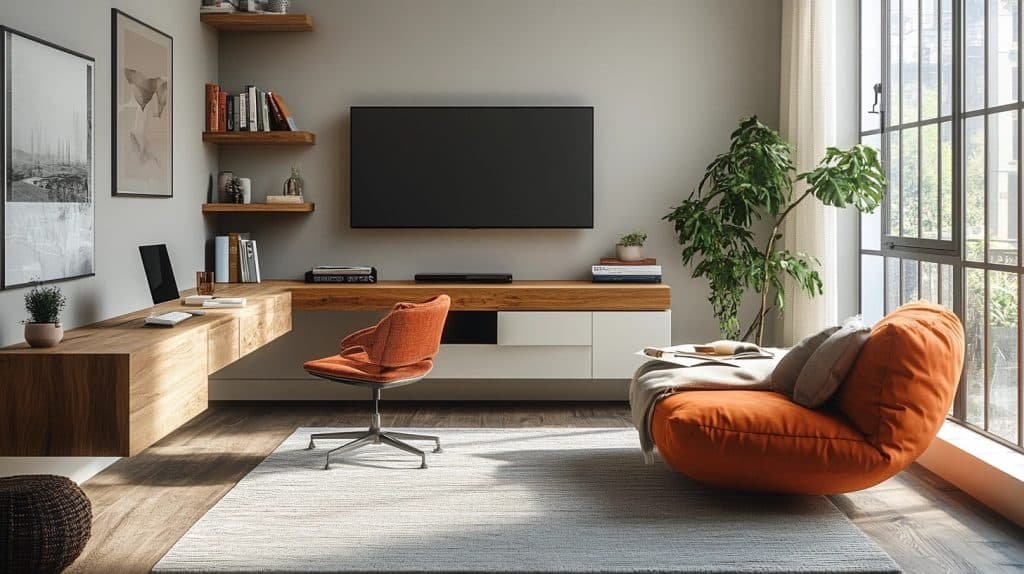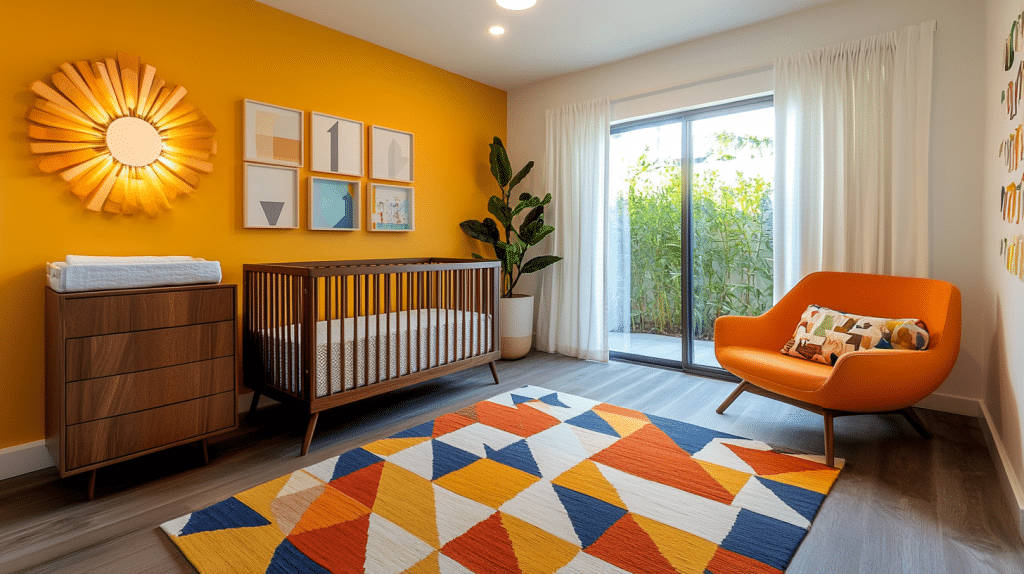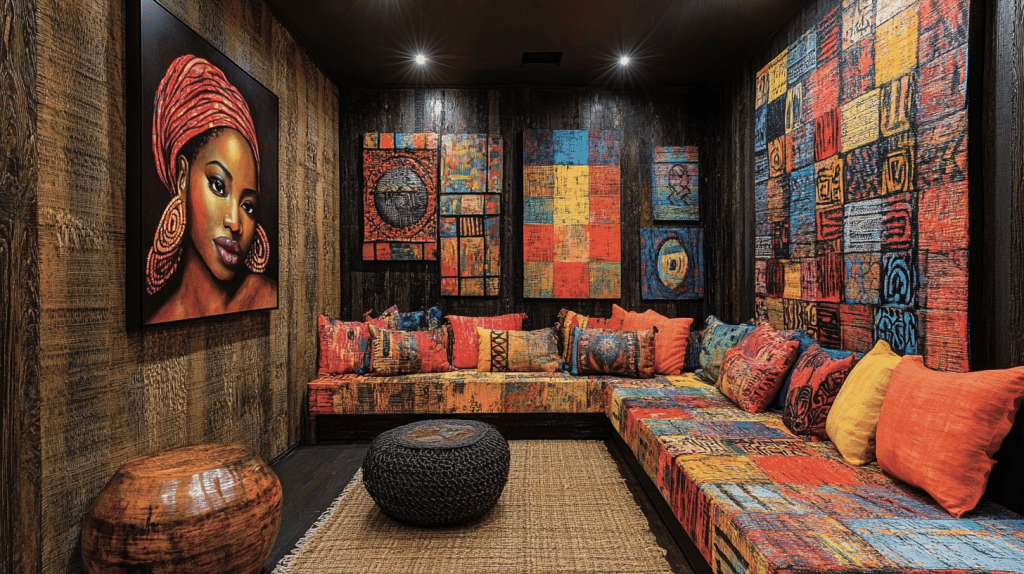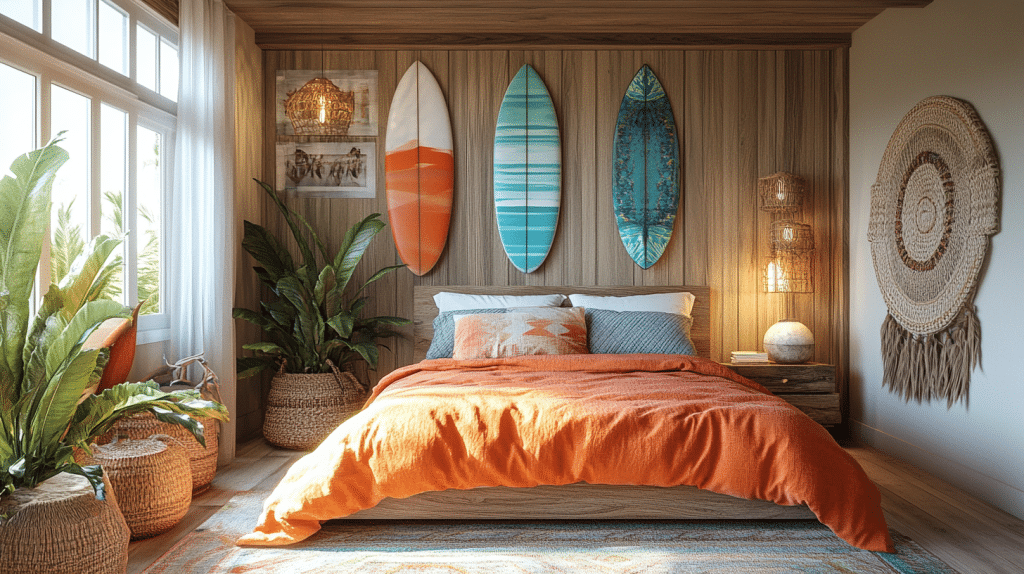
Japandi architecture is restraint with warmth, clean lines softened by natural wood. I keep the palette quiet and the objects few, so the build feels calm.
Imagine walking into a space that feels simultaneously calm, functional, and breathtakingly beautiful. That’s the magic of Japandi architecture—a design philosophy that brilliantly marries Japanese minimalism with Scandinavian warmth.
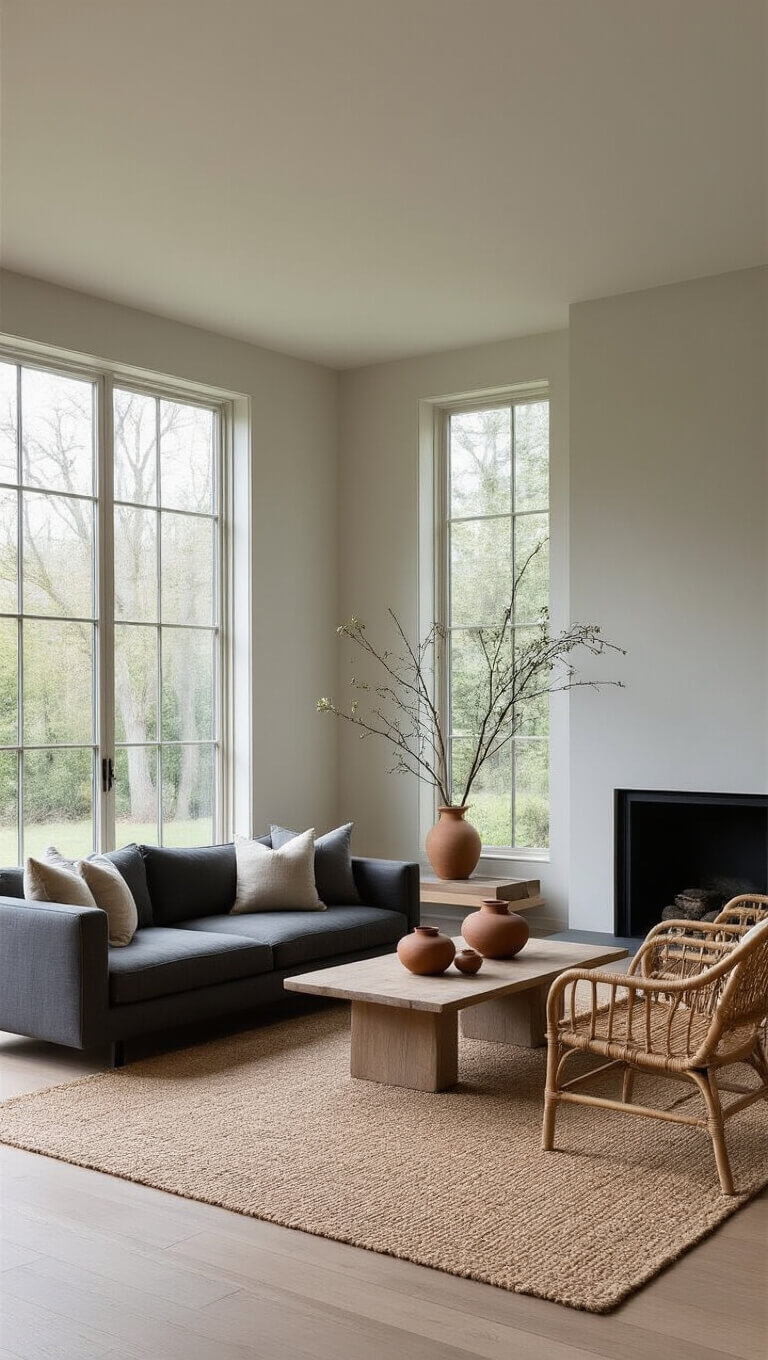
What Makes Japandi Architecture So Compelling?
At its core, Japandi is more than just a design trend. It’s a deliberate approach to creating living spaces that breathe simplicity, functionality, and profound aesthetic harmony.
Key Design Principles of Japandi
1. Minimalism with Soul
- Ultra-clean lines
- Zero unnecessary decorations
- Every element serves a purpose
- Spaces feel intentional, not empty
2. Natural Material Symphony
Japandi celebrates raw, authentic materials that tell a story:
- Warm wooden surfaces
- Stone elements
- Rattan and natural fiber accents
- Textures that invite touch and connection
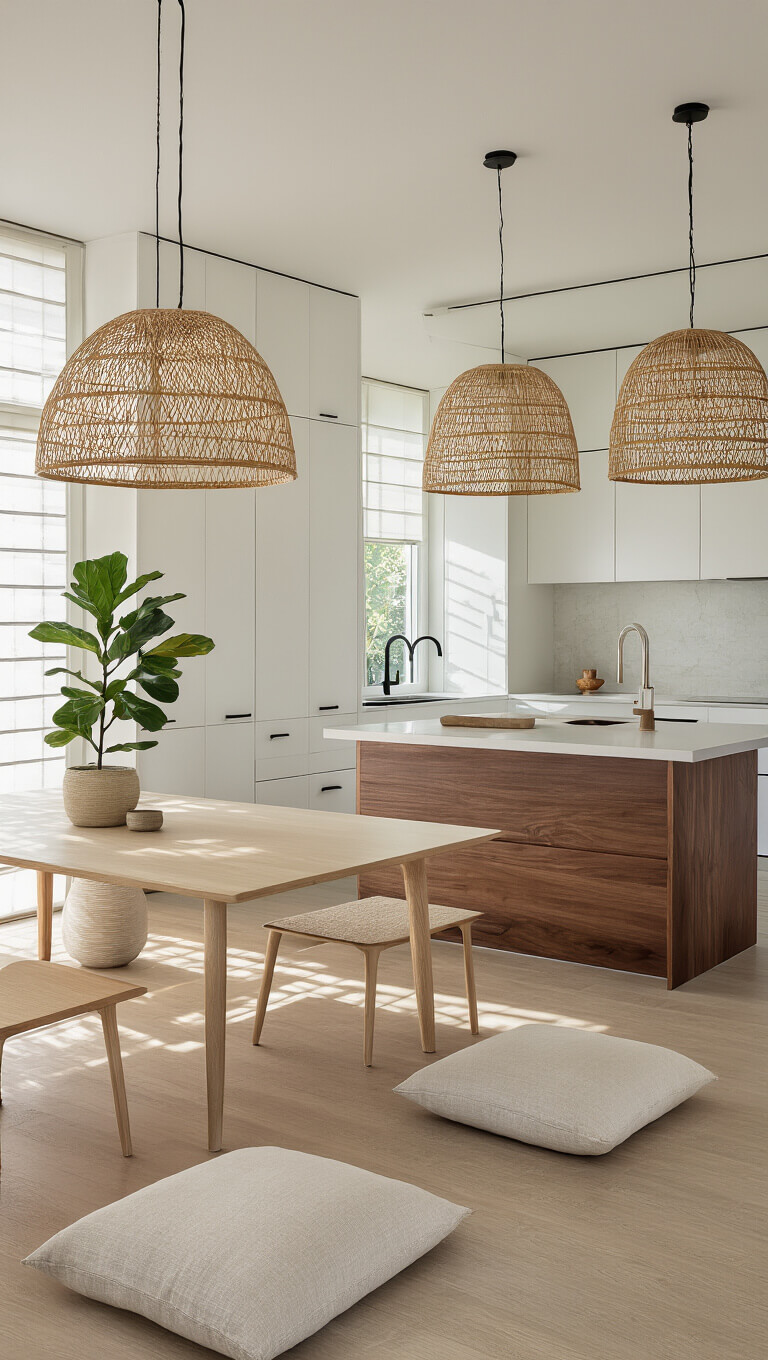
3. Color Palette: Whispers of Neutrality
- Soft grays
- Muted earth tones
- Off-white expanses
- Subtle color transitions that create visual calm
Architectural Innovations
Japandi doesn’t just look different—it fundamentally reimagines how spaces can interact:
- Blurred Boundaries: Large windows and sliding doors erase lines between indoor and outdoor
- Open Layouts: Spaces flow seamlessly, promoting mental clarity
- Purposeful Design: Every corner has intention, eliminating visual noise
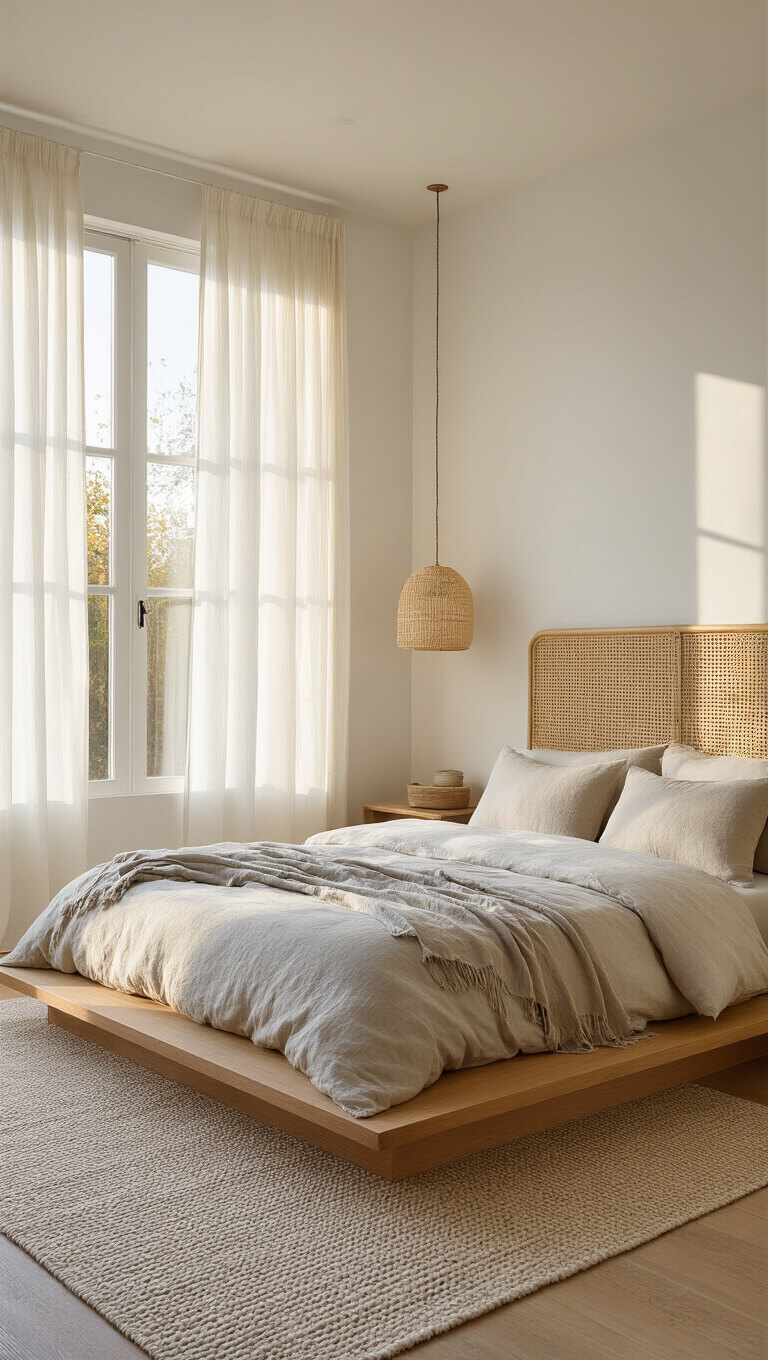
Creating Your Japandi Space: Practical Tips
Declutter Ruthlessly
- Keep only items that spark joy
- Choose multi-functional furniture
- Embrace negative space
Lighting Matters
- Maximize natural light
- Use soft, diffused artificial lighting
- Create gentle shadows and depth
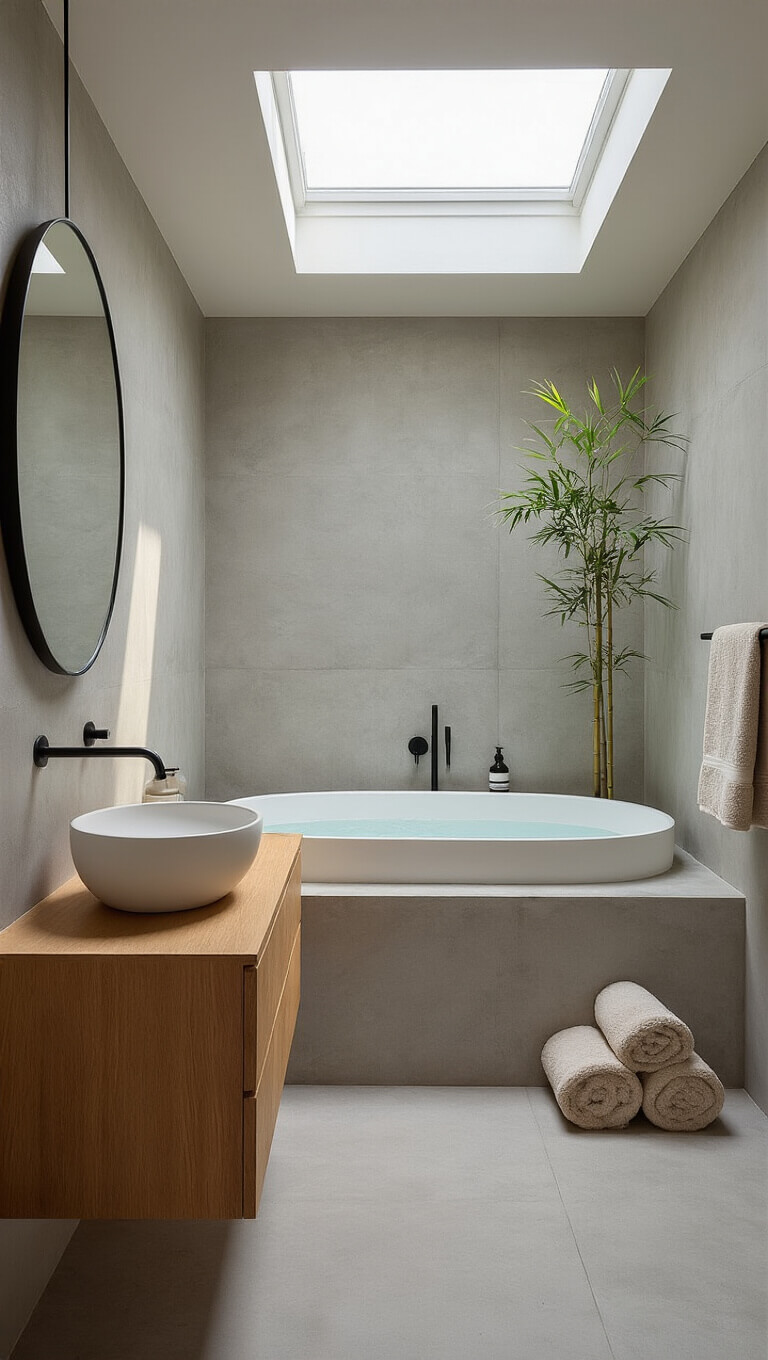
Texture is Your Secret Weapon
- Layer natural textiles
- Mix soft and rough surfaces
- Create visual and tactile interest without complexity
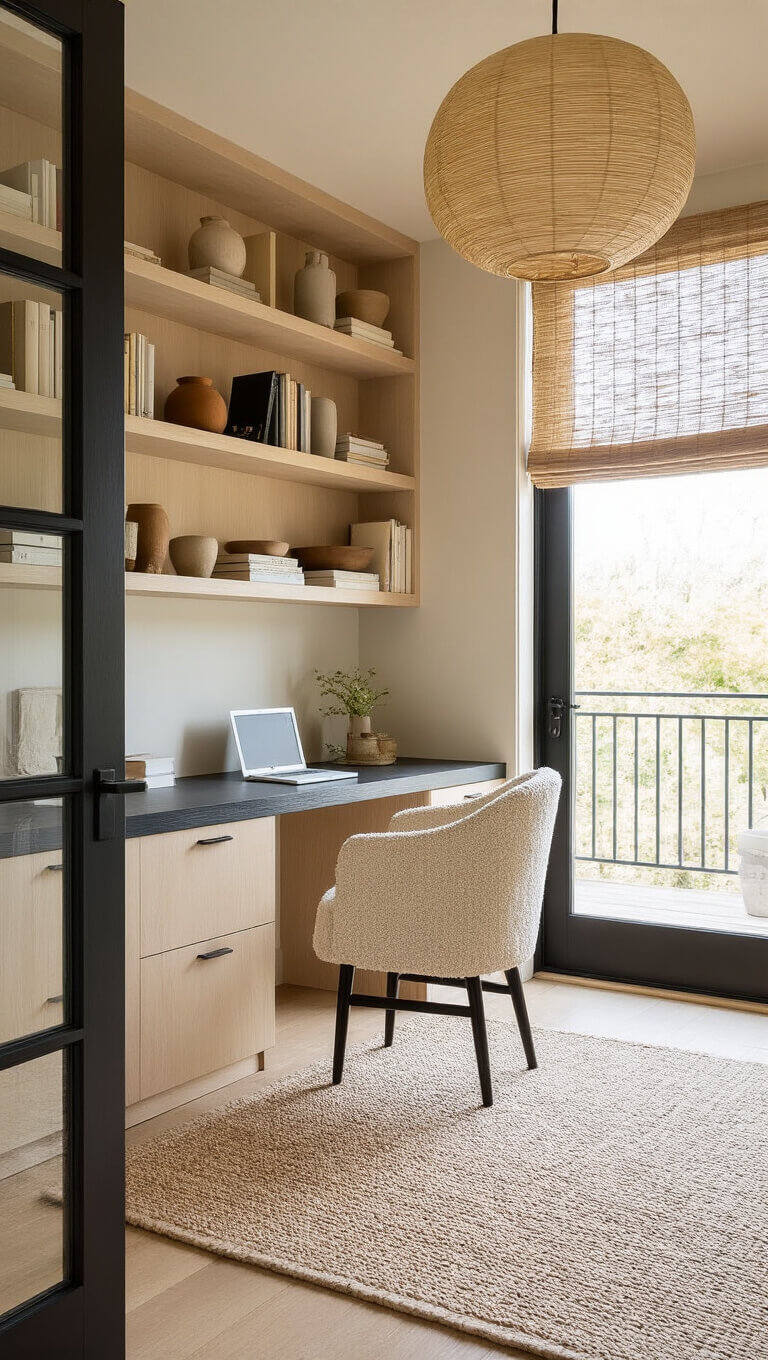
Who Should Embrace Japandi?
Perfect for individuals who:
- Crave calm environments
- Appreciate functional design
- Want spaces that feel both modern and timeless
- Seek a sanctuary from chaotic modern life
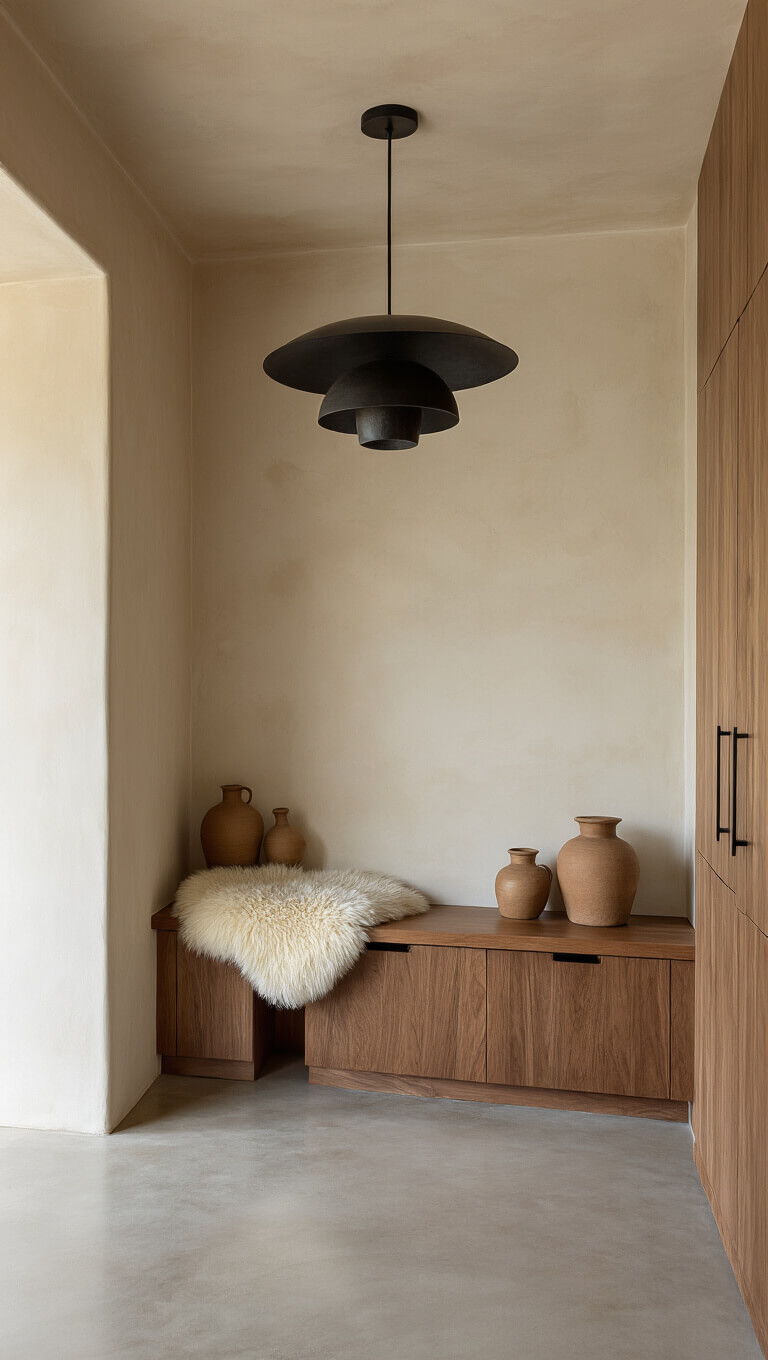
Beyond Aesthetics: A Philosophy of Living
Japandi isn’t just about looking good. It’s about creating environments that:
- Reduce stress
- Promote mindfulness
- Connect us with natural rhythms
- Celebrate craftsmanship
Cost Considerations
While high-quality Japandi design can be investment-heavy, the principles are adaptable:
- Start small
- Invest in key pieces
- Gradually transform your space
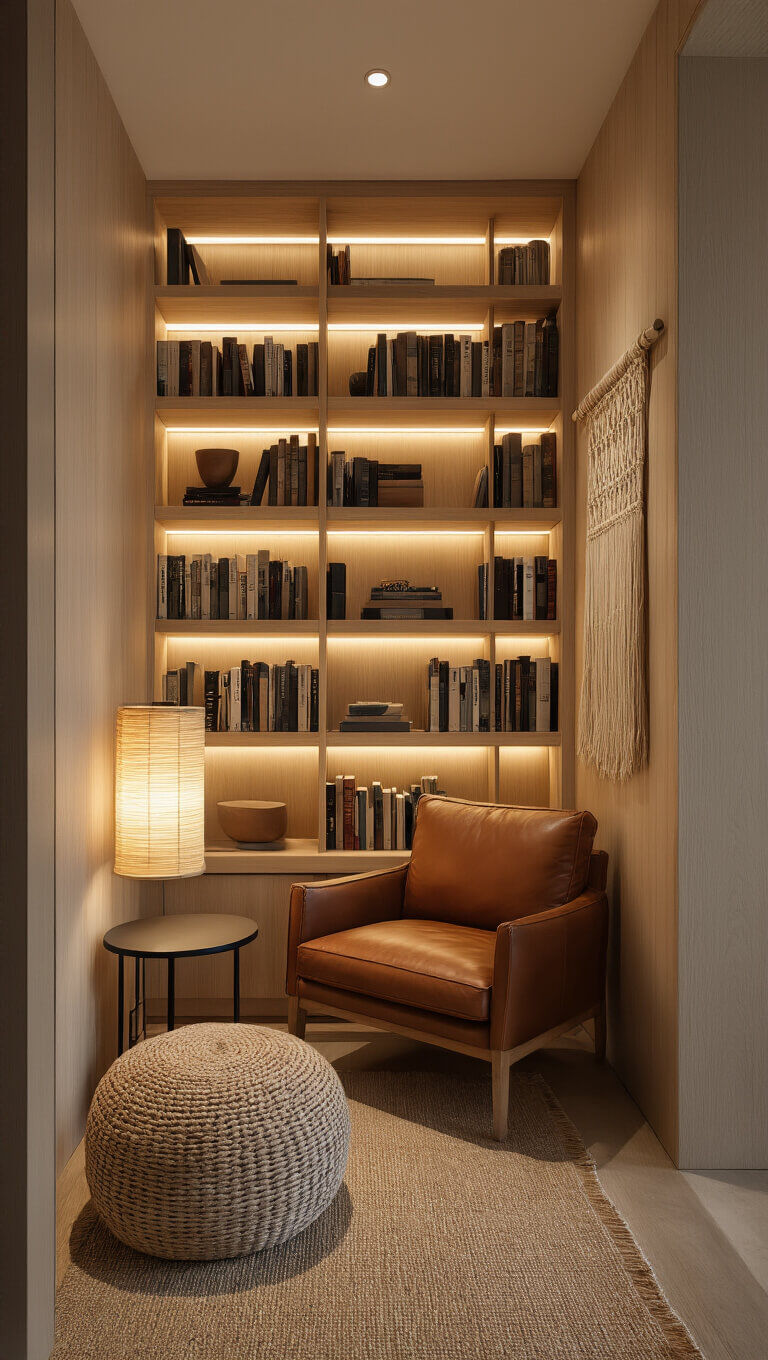
Pro Designer Insight
“Japandi is about finding beauty in simplicity and purpose. It’s not minimalism that feels cold, but minimalism that feels like a warm embrace.” – Anonymous Architect
Final Thoughts
Japandi architecture represents more than a design trend. It’s a thoughtful dialogue between two rich cultural design traditions, offering a blueprint for living spaces that nurture both body and soul.
The calm comes from using fewer things, not more. Pick the pieces that earn their place and leave the rest open.