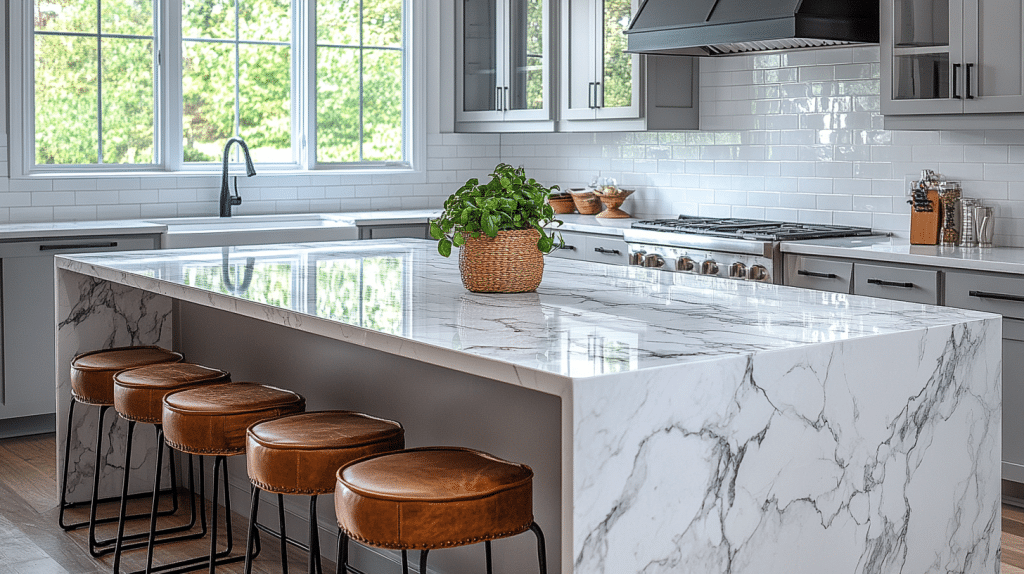
A rustic farmhouse kitchen is built on wood and wear, not matching sets. I let the cabinets age and kept the hardware plain so the grain stays the focus.
Every kitchen tells a story, and colors are its language. Farmhouse style isn’t just about looking good—it’s about creating a space that feels authentically lived-in and comfortably welcoming.
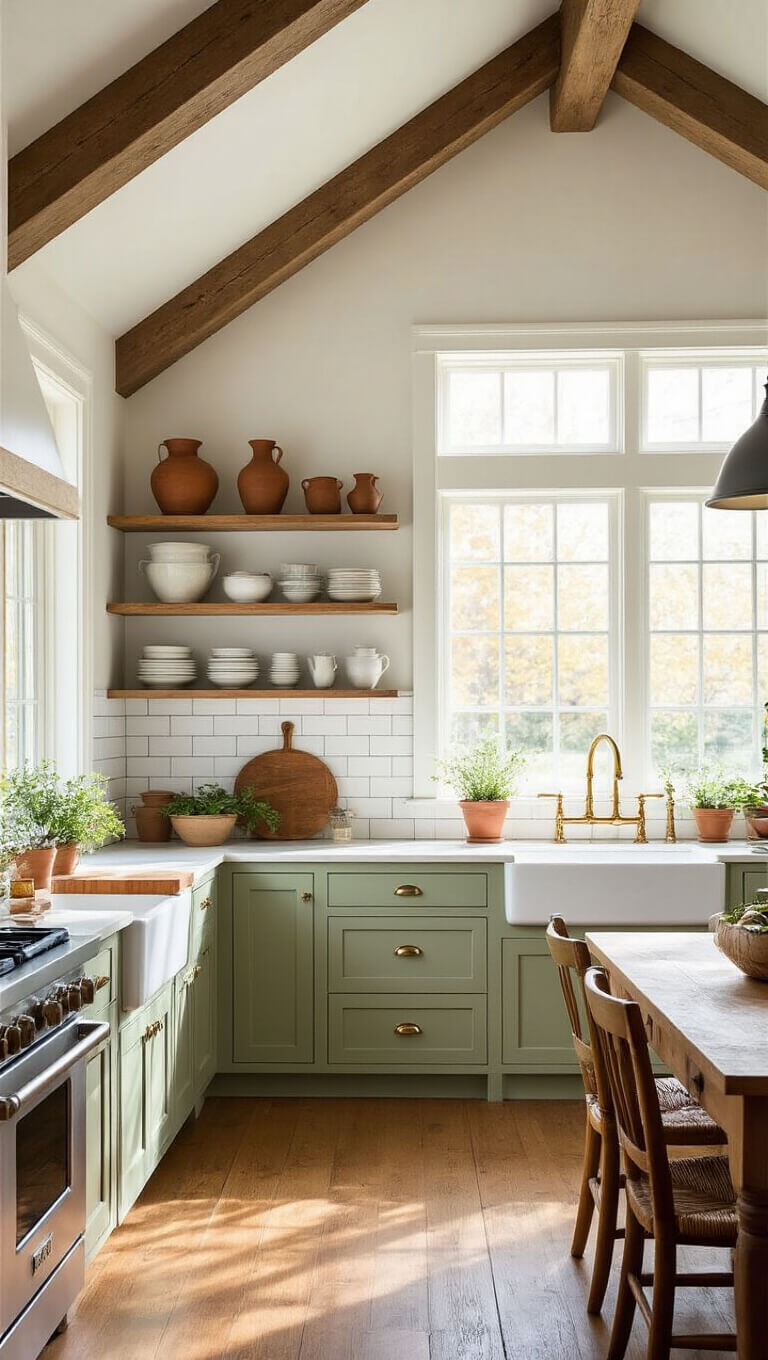
The Perfect Farmhouse Color Palette: Secrets Revealed
Foundational Colors That Never Fail
White is Not Just White
- Crisp white creates a clean canvas
- Off-whites add subtle warmth
- Avoid stark, clinical whites that feel cold
Neutral Tones: The Backbone of Farmhouse Design
Neutrals That Work Magic
- Soft grays
- Warm beiges
- Greige (the perfect gray-beige blend)
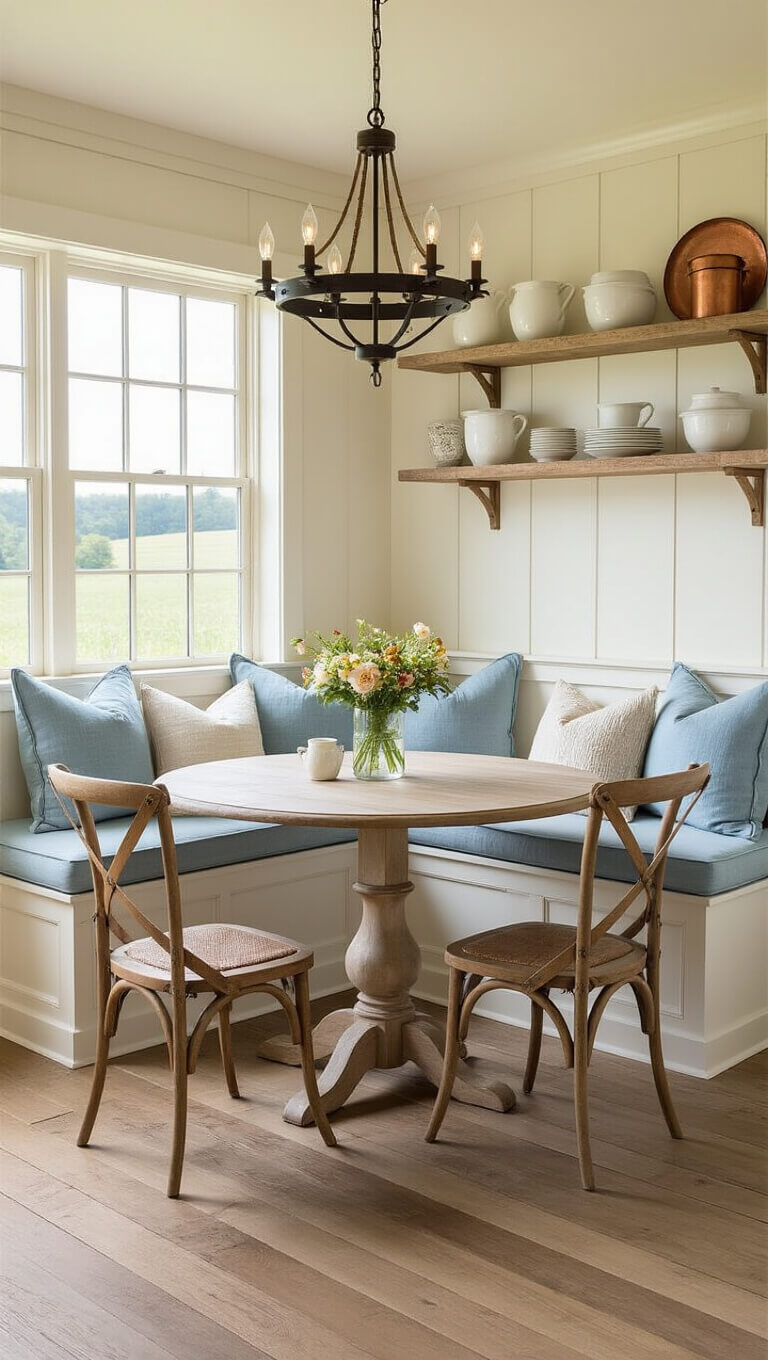
Nature-Inspired Accents: Bringing the Outdoors Inside
Color Inspiration from Nature
- Sage green
- Powder blue
- Gentle yellow
- Muted earth tones
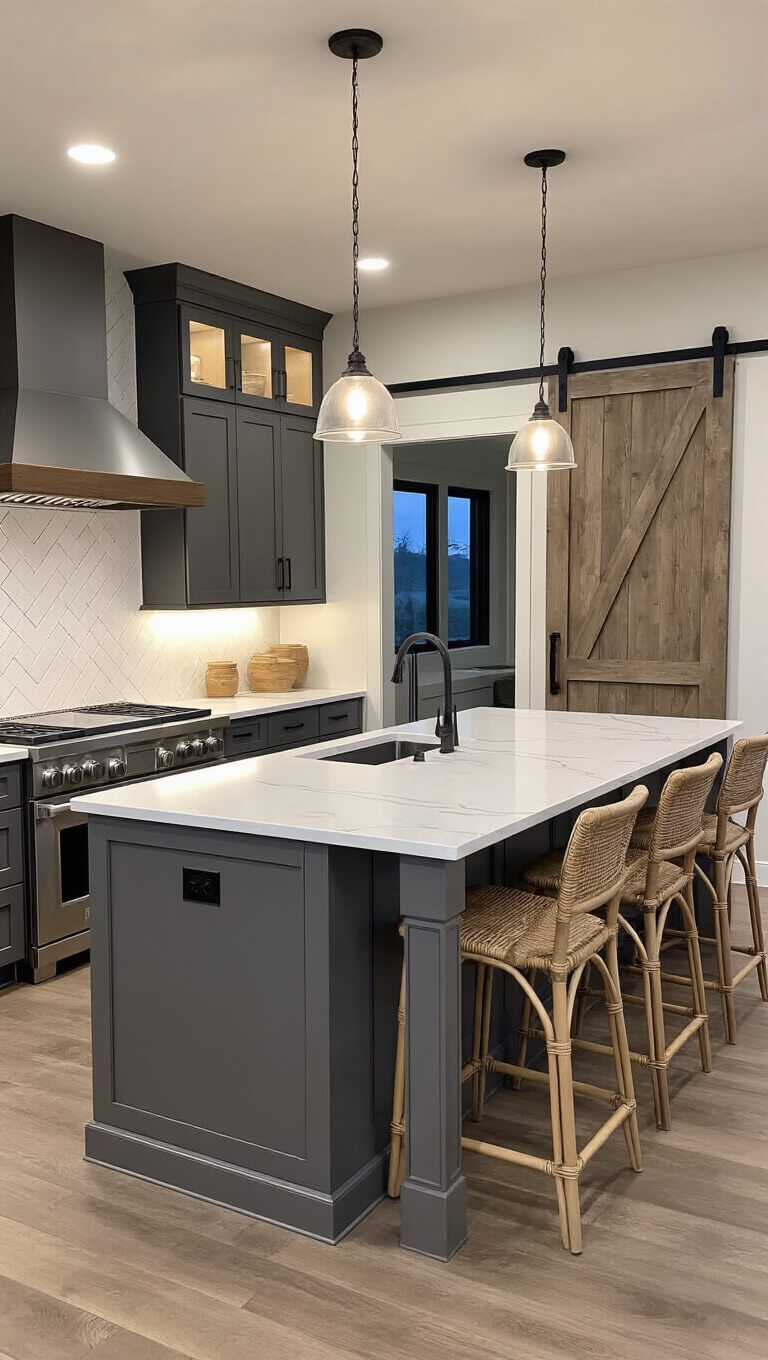
Modern Farmhouse Color Strategies
Layering Colors Like a Pro
Texture and Tone Tricks
- Mix light and dark wood tones
- Introduce subtle color variations
- Use metallics as sophisticated accents
Color Placement Secrets
Where to Add Color
- Kitchen island
- Backsplash
- Open shelving
- Hardware and fixtures
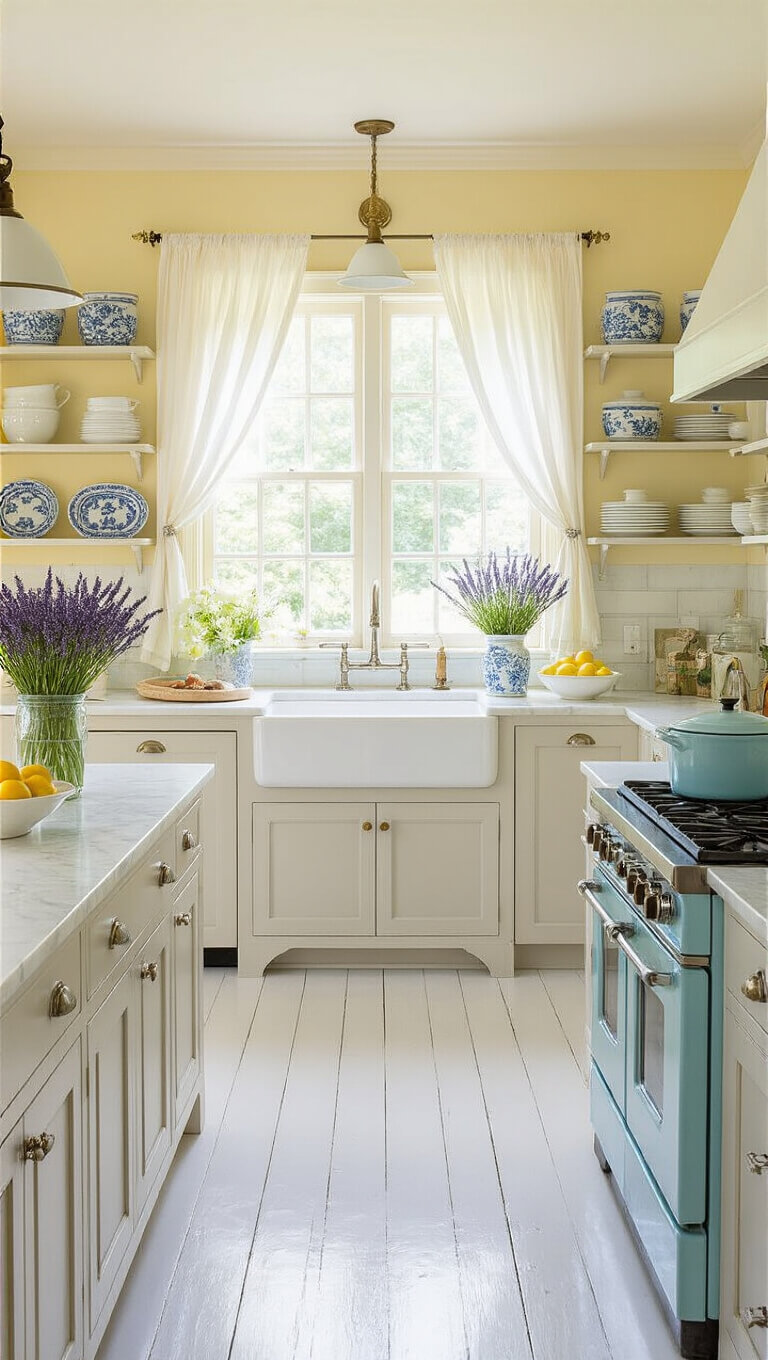
Seasonal Color Adaptation
Refresh Your Palette
- Fall: Warm ochres and terracotta
- Spring: Soft pastels and fresh greens
- Summer: Bright, airy tones
- Winter: Deeper, cozier shades
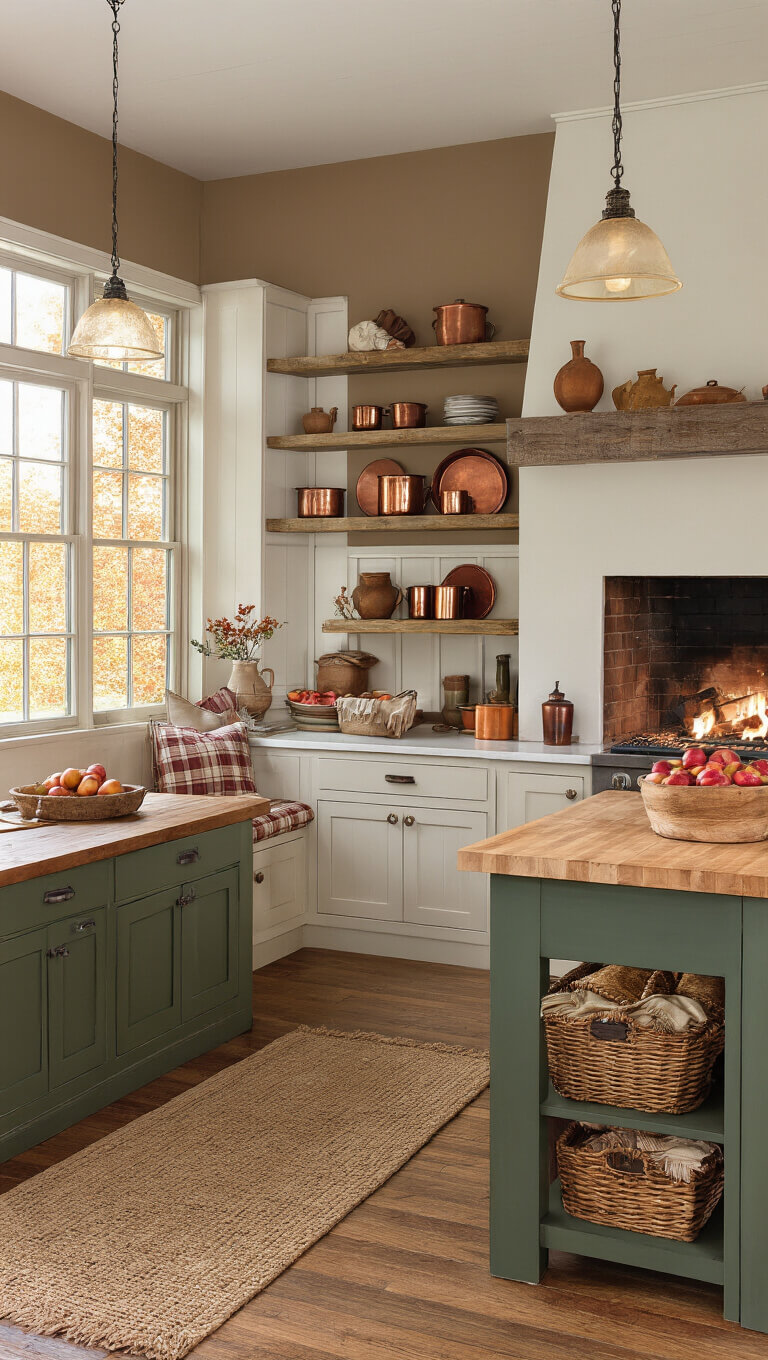
Recommended Color Combinations
Professional Palette Recommendations
Sherwin-Williams Farmhouse Collection
- Soft white
- Light gray
- Muted green
- Pale blue
- Warm taupe
Benjamin Moore Farmhouse Favorites
- Classic whites
- Warm grays
- Accent colors for islands
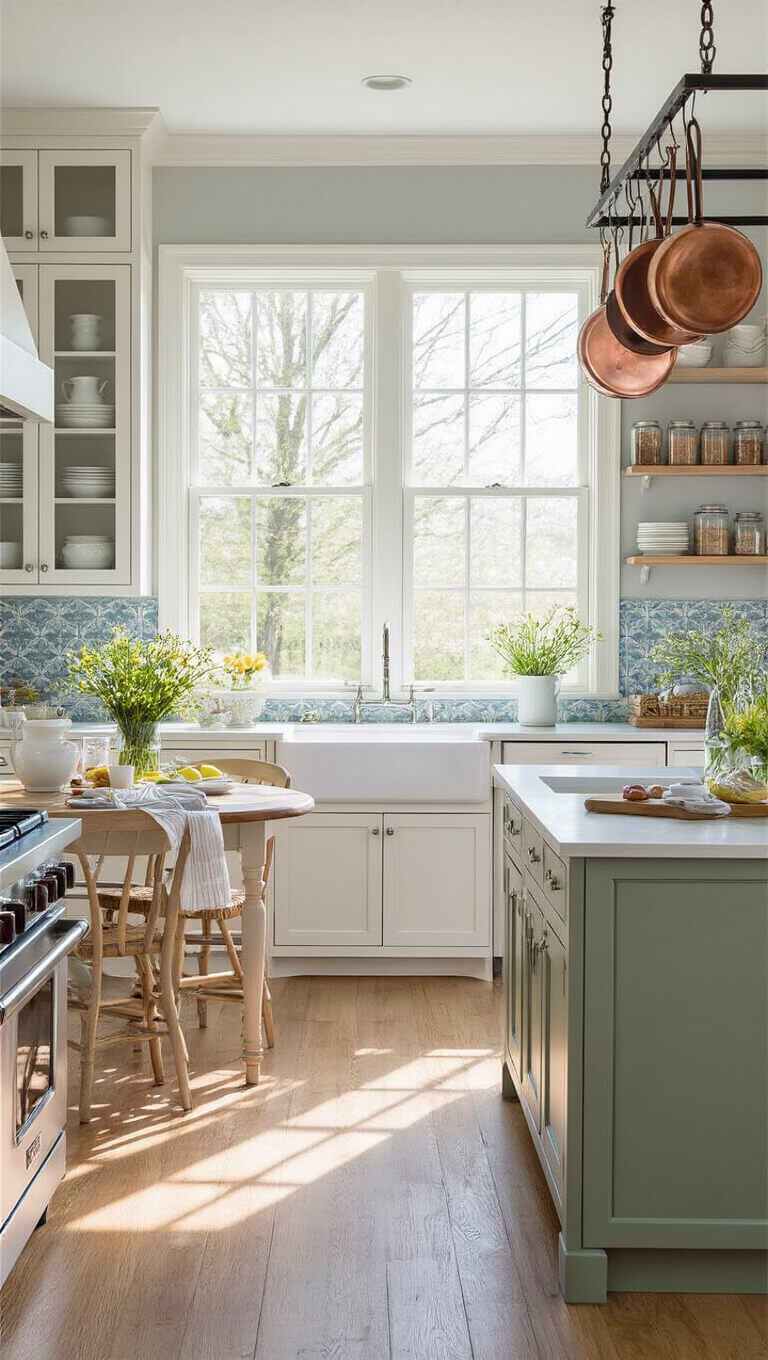
Practical Styling Tips
Color Application Guidelines
- Balance painted and natural wood surfaces
- Use consistent color themes
- Maximize natural light
- Select accessories within your color scheme
Common Mistakes to Avoid
Color Pitfalls
- Overwhelming with too many colors
- Ignoring natural light
- Forgetting about texture
- Choosing trendy over timeless
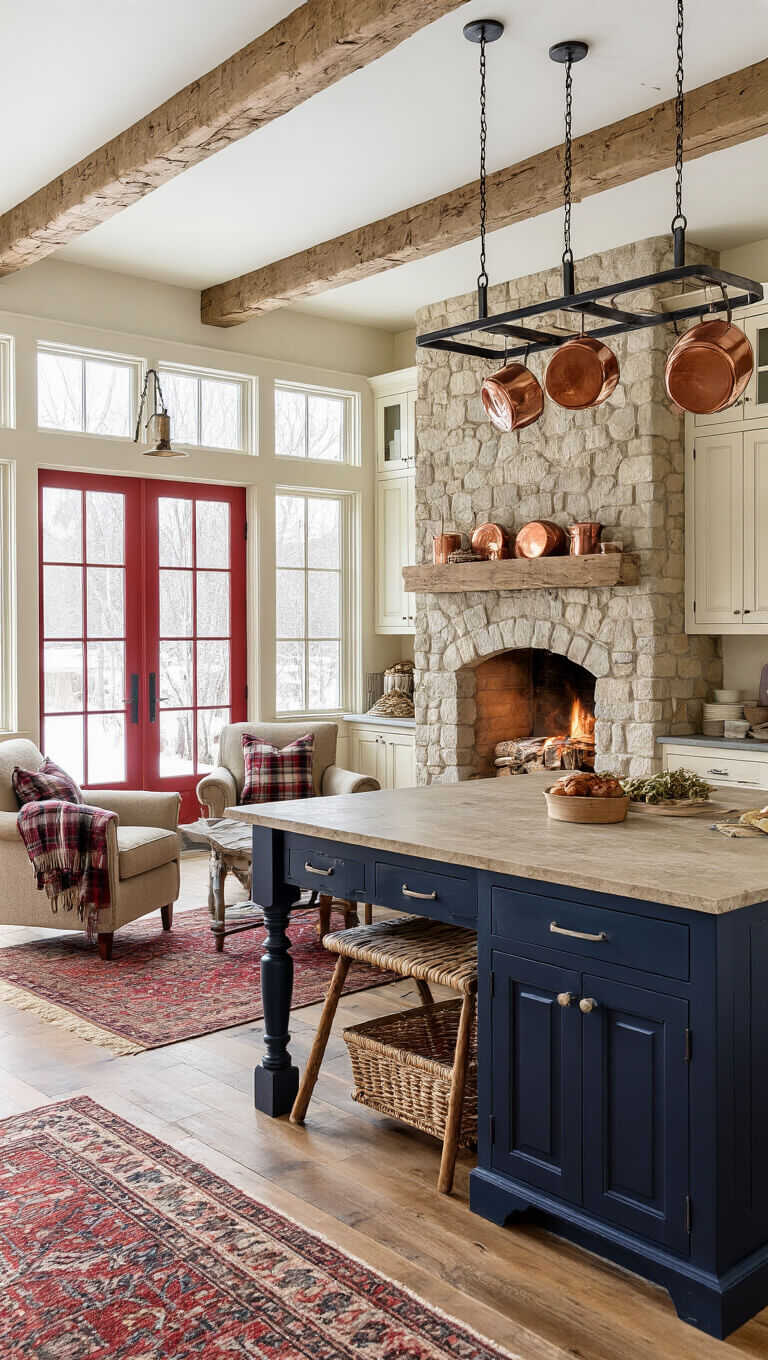
Final Thoughts: Your Personal Color Journey
Farmhouse kitchen colors are about creating a feeling—a sense of comfort, authenticity, and timeless beauty. There are no strict rules, only guidelines. Trust your instincts, experiment, and create a space that feels uniquely yours.
Pro Tip: Always test paint samples in your actual kitchen lighting before committing. Colors can look dramatically different depending on natural and artificial light.
The kitchens that feel right are planned around cooking, not photos. Choose the finishes for daily use and the room works harder for you.