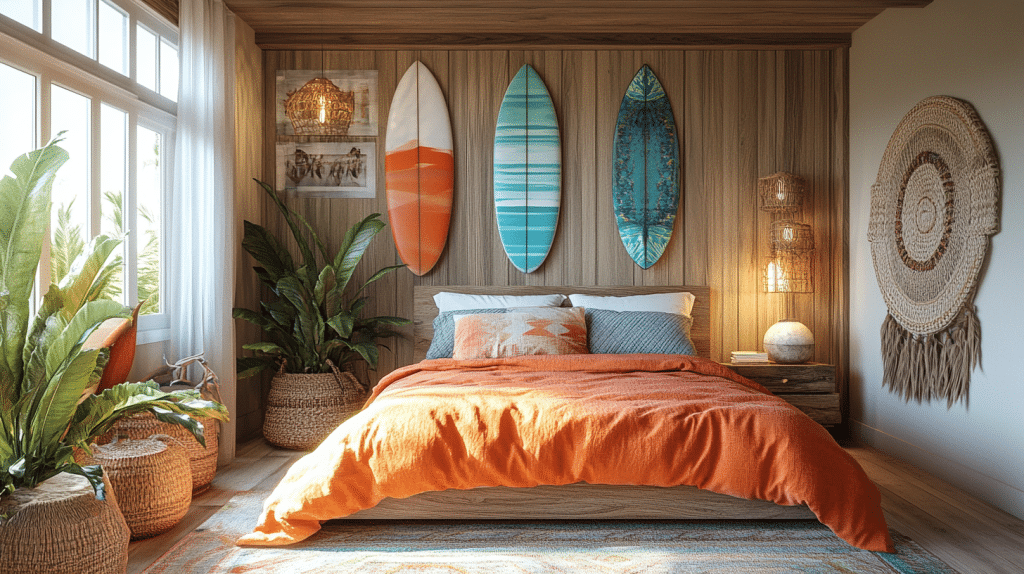
A wabi sabi japandi living room brings together the best of Japanese and Scandinavian design philosophy, creating a space that feels both serene and deeply grounded. This aesthetic embraces natural imperfections, organic materials, and intentional simplicity to craft environments that encourage mindfulness and calm. Whether you’re drawn to soft neutral palettes, flowing organic shapes, or the quiet beauty of handcrafted textures, these 27 living room ideas offer thoughtful inspiration for transforming your space into a peaceful retreat. Each design celebrates balance, functionality, and the understated elegance that comes from living with less but choosing it more carefully.
1. Peaceful Flow Living Space
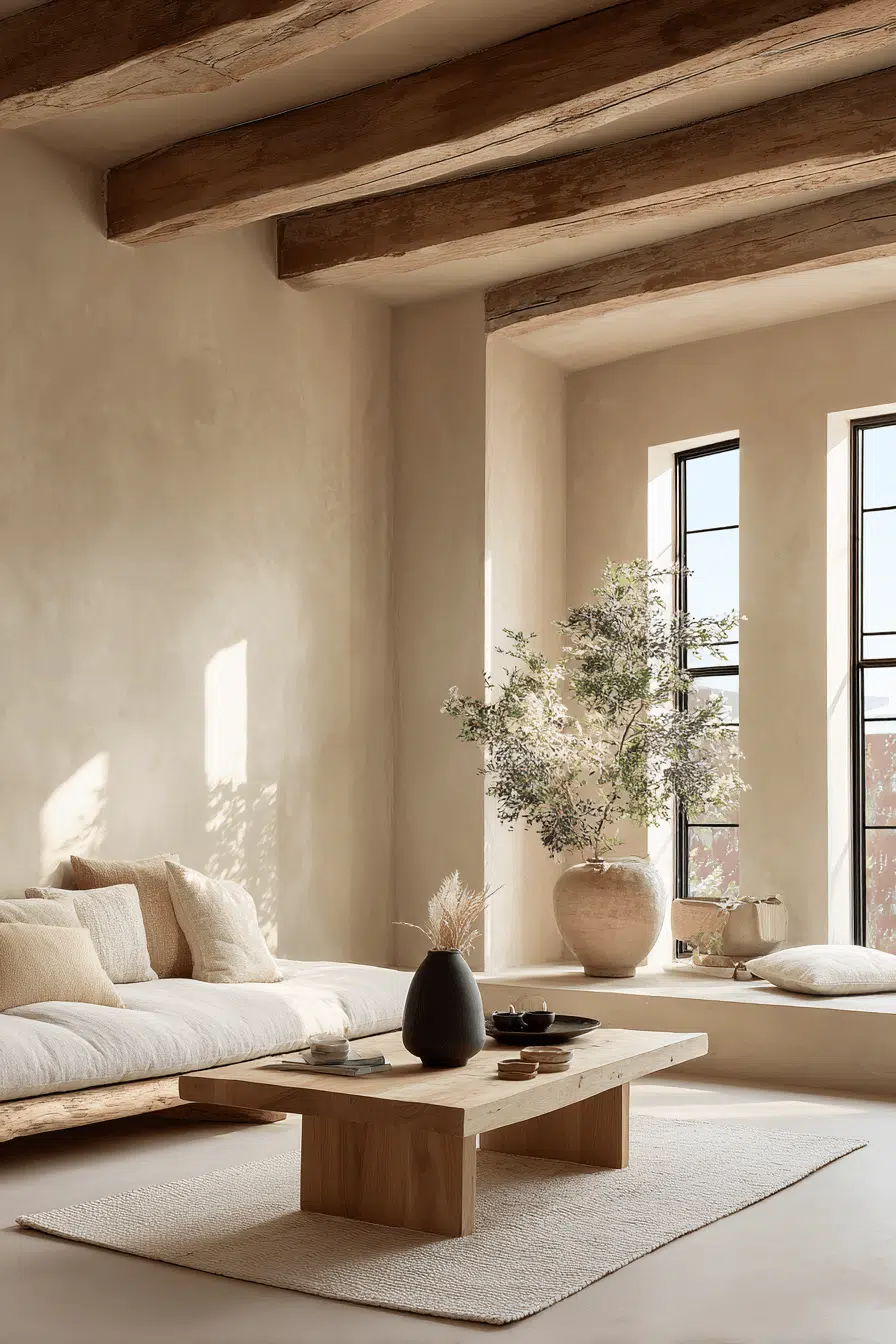
Peaceful flow defines a wabi sabi japandi living room where openness and intention shape the entire space. Carefully selected furnishings keep the room light while still feeling complete. Earthy tones and raw textures create a grounded and calming environment. Movement through the layout feels natural and effortless. Every element contributes to quiet balance. Bring this calming flow into your home and experience a more mindful way of living.
2. Relaxing Retreat Lounge Haven
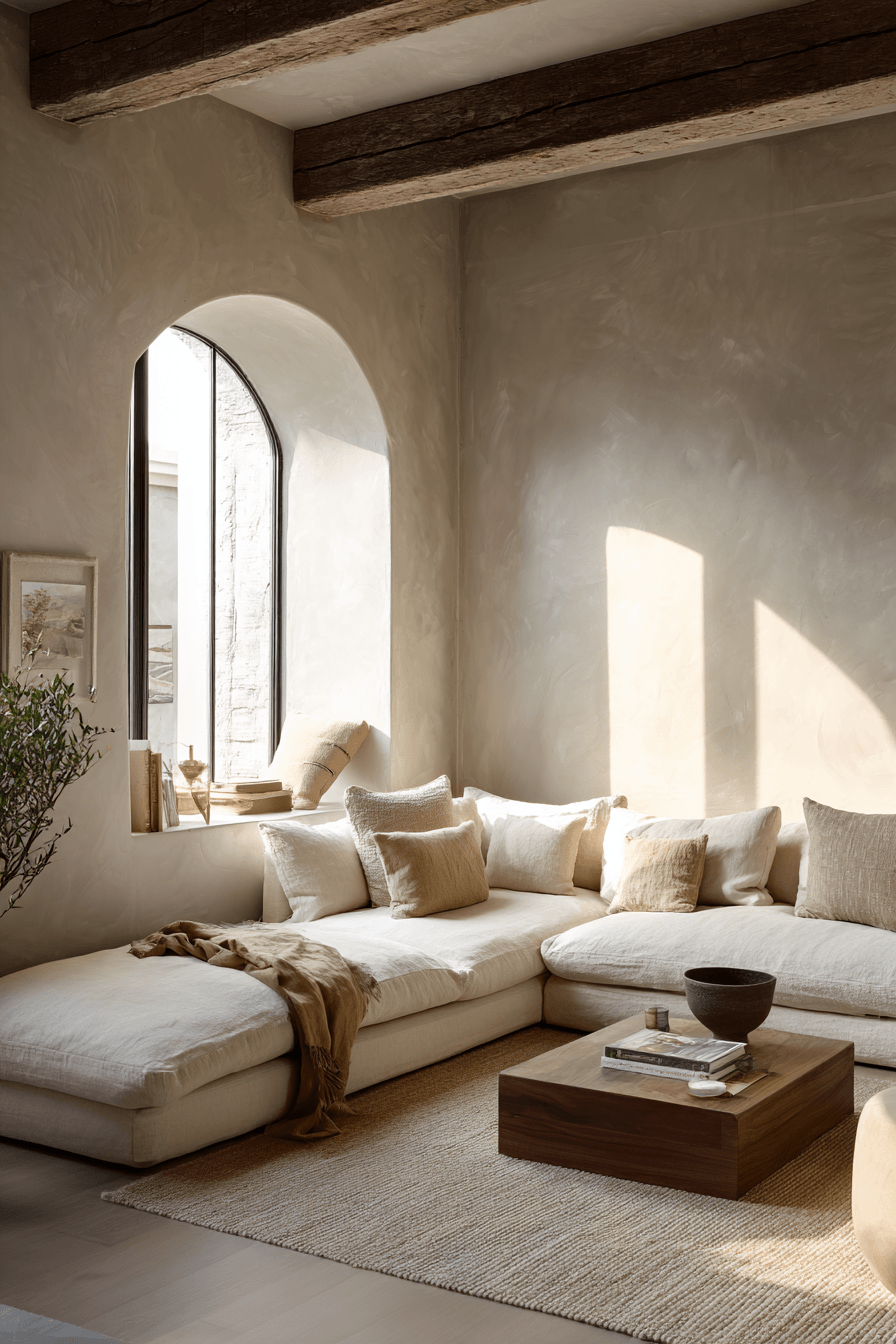
Relaxation comes naturally in a wabi sabi japandi living room designed to feel like a gentle retreat from everyday life. Soft materials and muted shades create an instantly soothing atmosphere. Functional furniture keeps the space practical without adding visual noise. Light filters in softly, enhancing warmth throughout the room. The overall feeling remains calm and comforting. Turn your living room into a place that invites you to fully unwind.
3. Warm Neutral Interior Balance
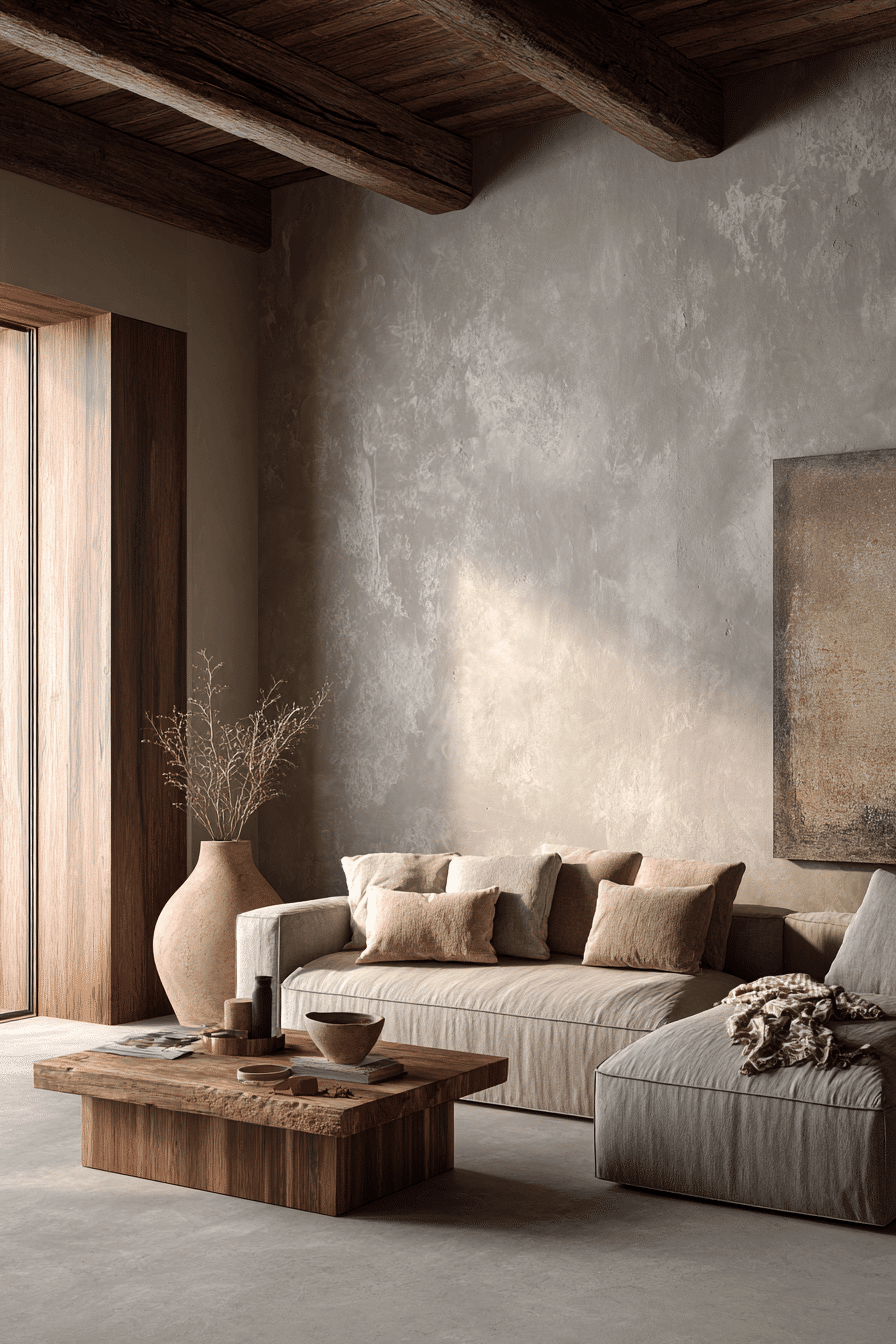
Warm neutrals set the tone for a wabi sabi japandi living room that feels both open and inviting. Light-reflecting shades expand the space while keeping it cozy. Subtle textures like linen and wood bring depth without clutter. Each material feels intentional and connected. The design stays simple yet visually rich. Build a living room palette that feels effortlessly peaceful and balanced.
4. Rustic Modern Harmony Style
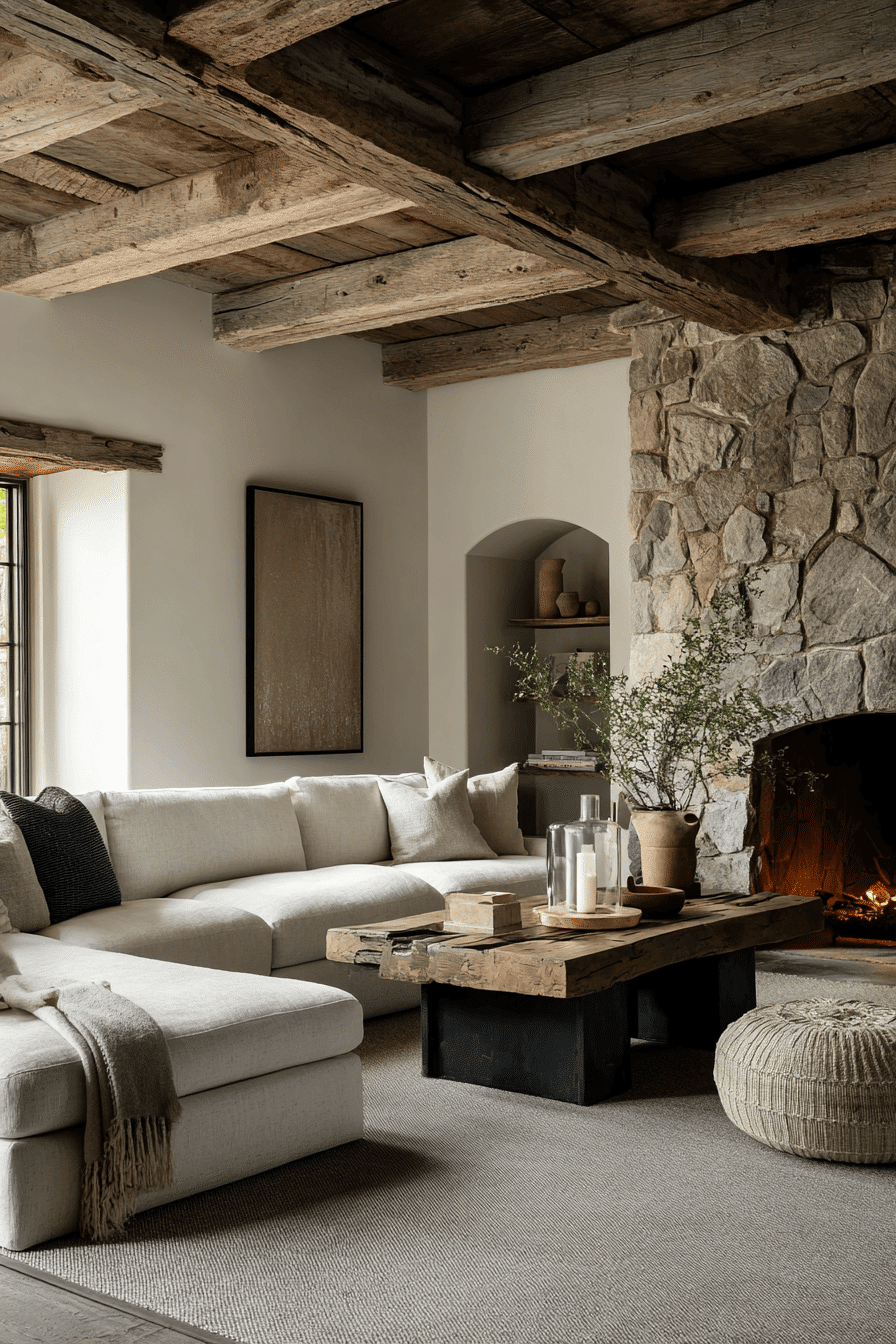
Organic textures and clean lines come together in a wabi sabi japandi living room that feels both rustic and modern. Imperfect materials add character and authenticity to the space. Minimal furniture keeps the look grounded and uncluttered. Soft tones allow the textures to stand out naturally. The environment feels warm and thoughtfully curated. Blend rustic charm with modern simplicity to elevate your home.
5. Gentle Contrast Design Layers
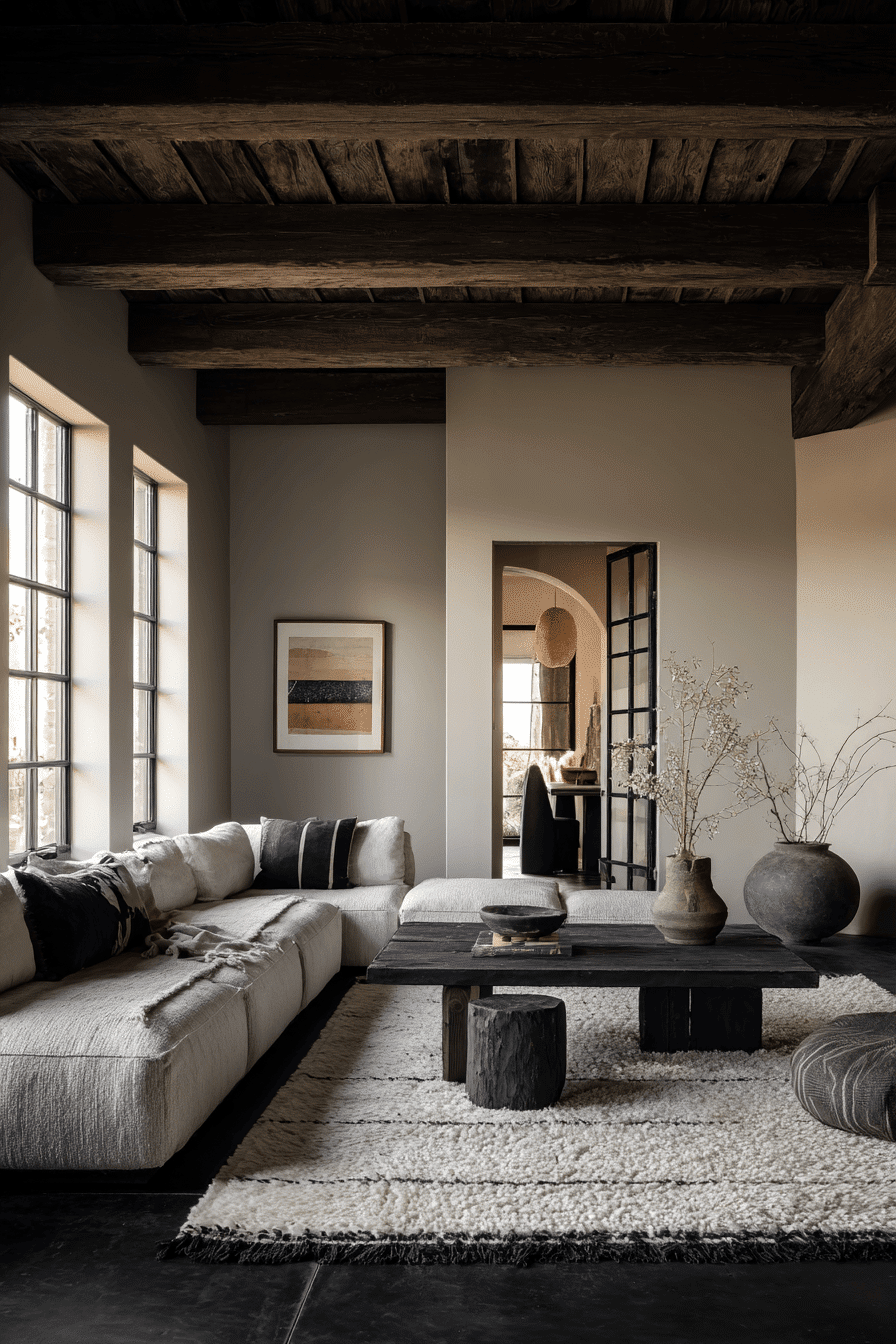
Delicate contrast adds quiet dimension to a wabi sabi japandi living room without disturbing its sense of calm. Soft variations in tone create depth while maintaining harmony. Mixing smooth and textured finishes introduces subtle interest. The layout remains open and easy to move through. Every piece supports visual balance. Experiment with gentle contrast to add depth without losing serenity.
6. Organic Material Texture Fusion
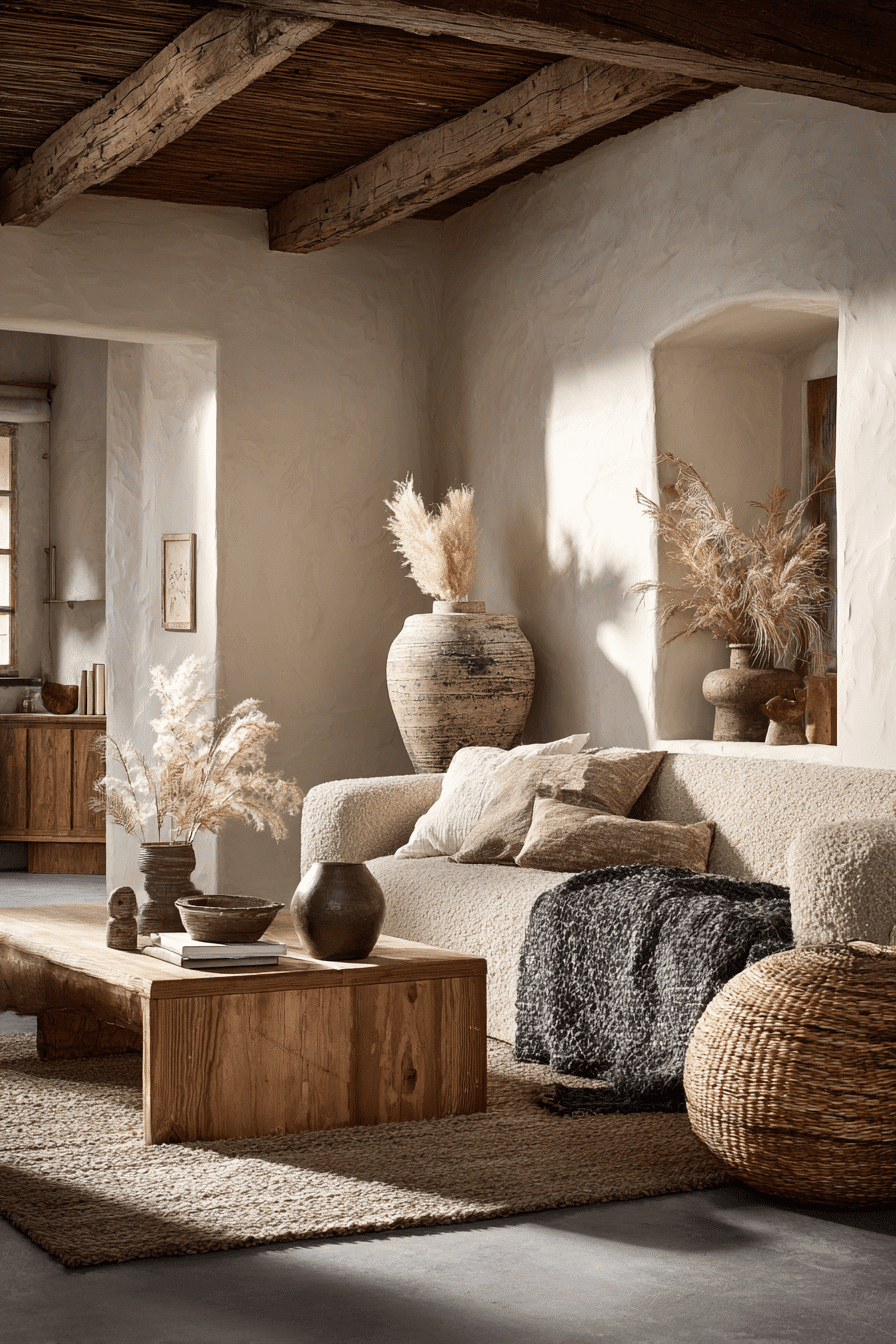
Layered natural elements give a wabi sabi japandi living room its signature warmth and grounded appeal. Materials like wood, linen, and woven fibers create a tactile and inviting environment. Imperfections in these textures add authenticity and charm. The space feels relaxed and welcoming. Every detail connects back to nature. Create a living room that feels beautifully organic and calm.
7. Airy Open Space Layout
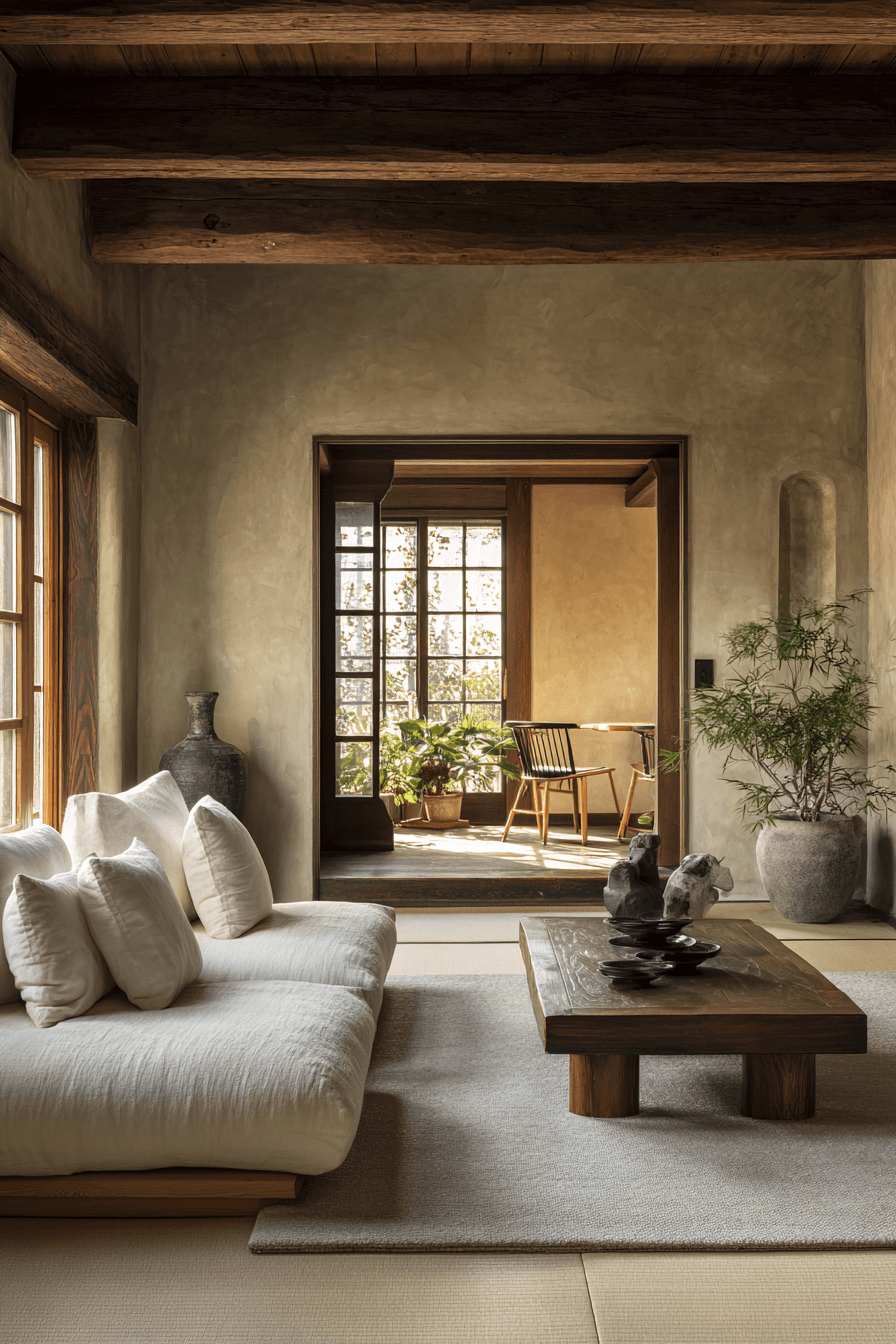
Open simplicity shapes a wabi sabi japandi living room into a bright and breathable environment. Light tones and soft fabrics enhance the sense of space. Furniture placement supports easy flow without overcrowding. Each element feels purposeful and understated. The overall mood stays peaceful and uncluttered. Refresh your space with a design that feels open and effortlessly calm.
8. Cozy Comfort Corner Sanctuary
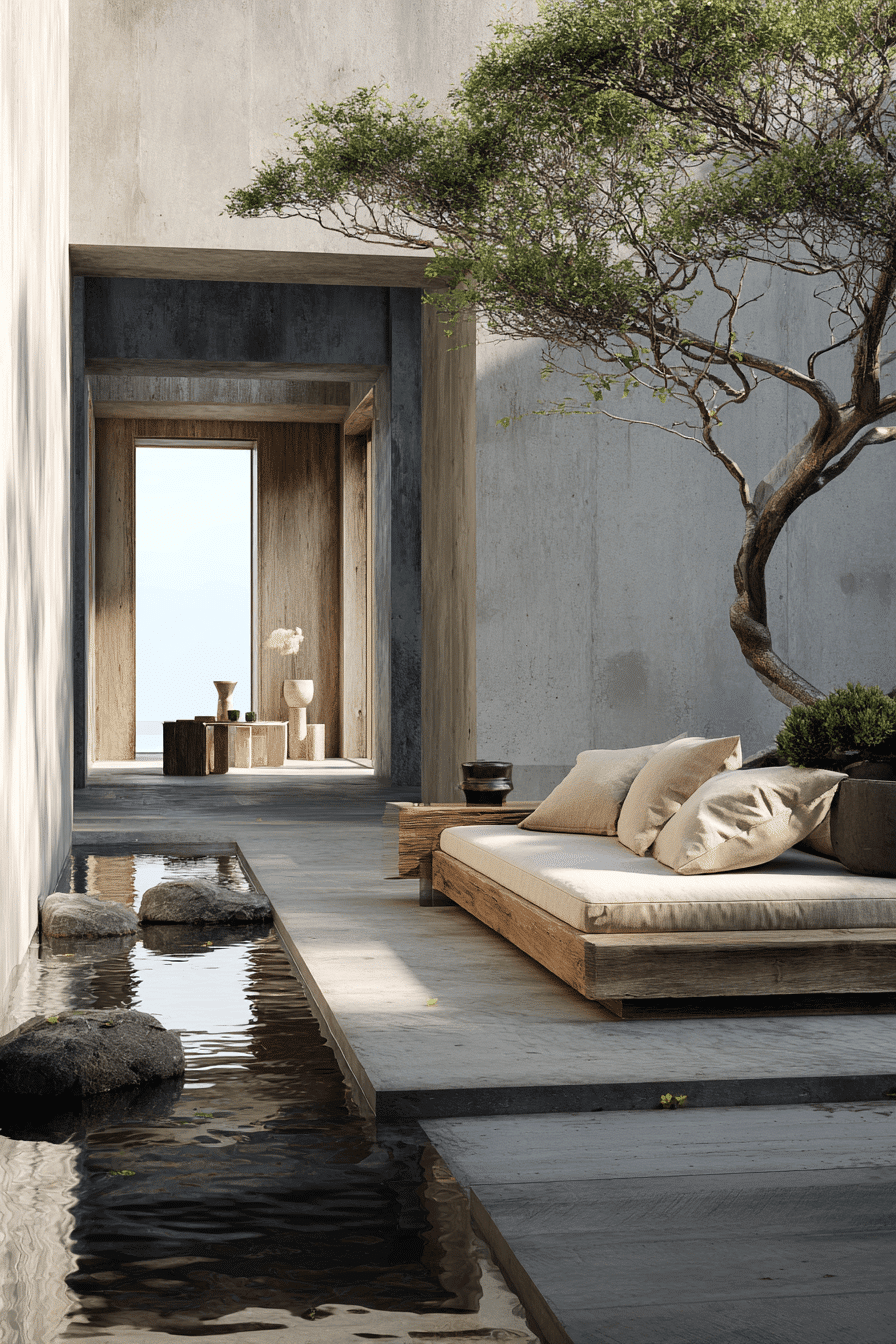
Quiet comfort transforms a wabi sabi japandi living room into a retreat designed for rest and reflection. Cozy seating and soft textiles invite relaxation. Minimal decor keeps distractions to a minimum. Each item feels meaningful rather than decorative. The room encourages slower, more mindful living. Create a space where comfort and calm naturally come together.
9. Monochrome Tone Styling Concept
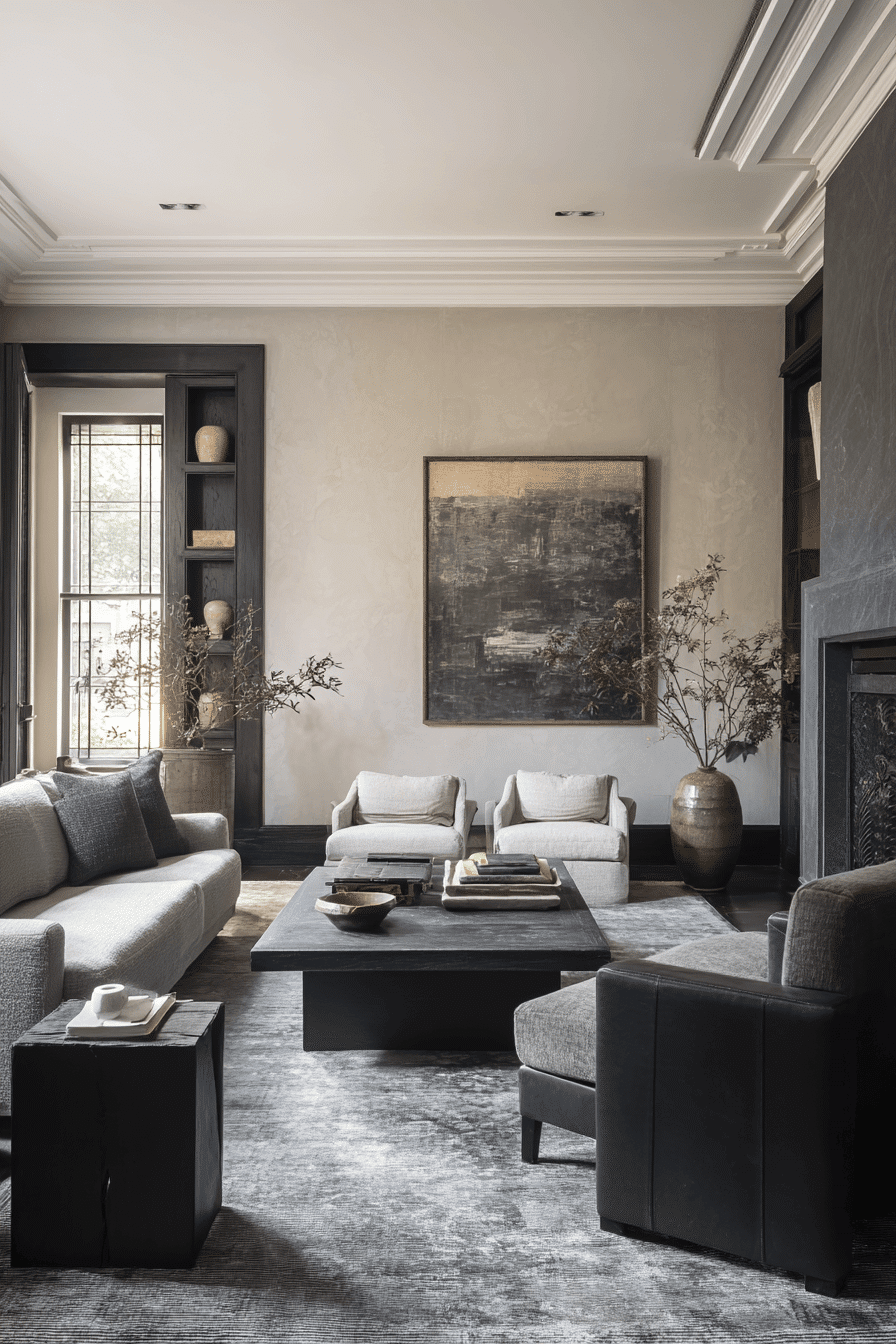
Tone-on-tone styling brings understated elegance into a wabi sabi japandi living room. Using a single palette across varied textures creates subtle depth. Focus shifts toward form, material, and craftsmanship. Furniture remains simple and practical. The result feels cohesive and refined. Try monochrome layering to create a calm yet visually rich space.
10. Sunlit Bright Interior Atmosphere
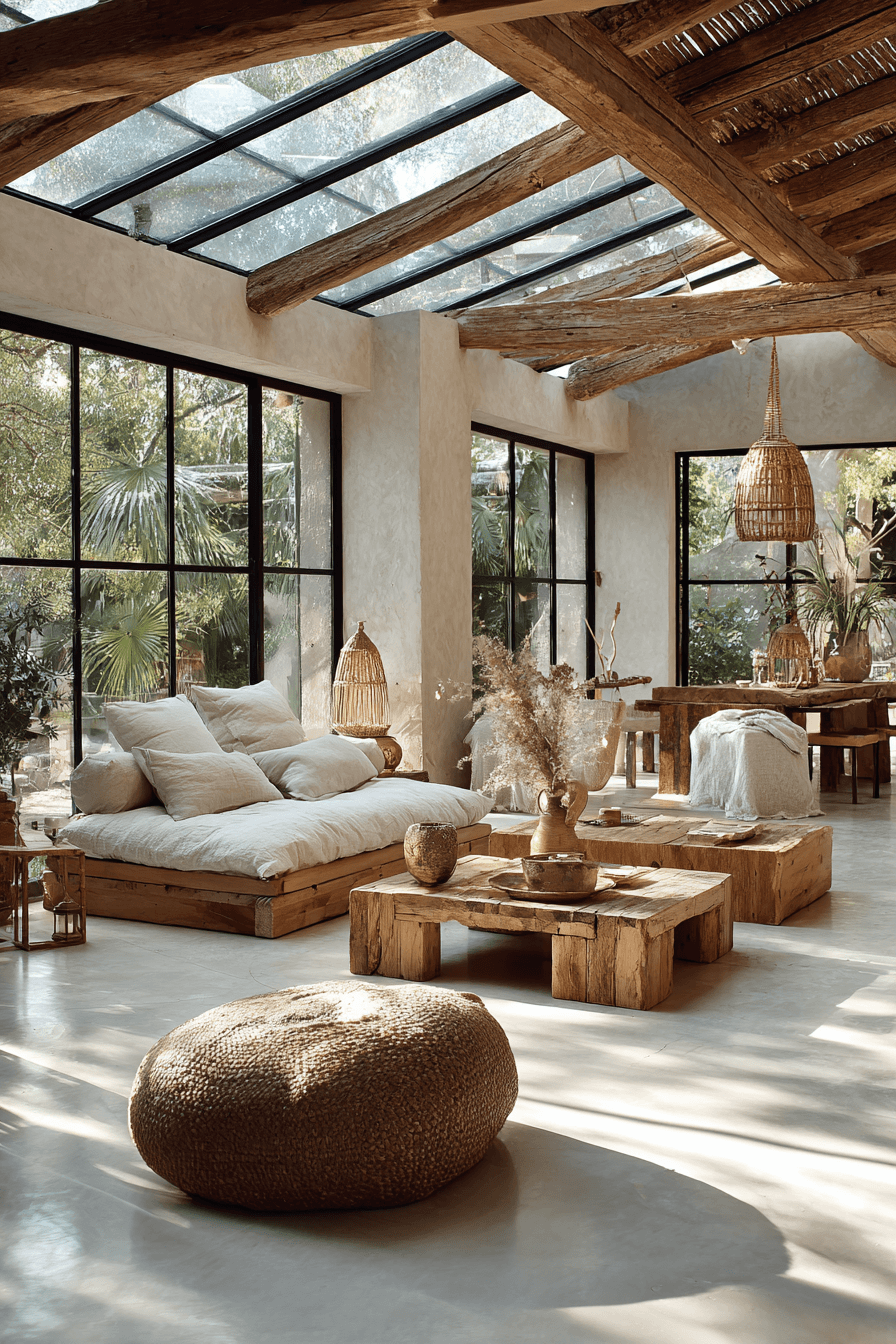
Sunlight plays a central role in a wabi sabi japandi living room by enhancing openness and warmth. Large windows allow natural light to move freely across the space. Soft surfaces reflect brightness without harshness. The layout supports a light-filled atmosphere. Every corner feels connected and inviting. Design your home to embrace natural light and feel more expansive.
11. Soft White Layered Aesthetic
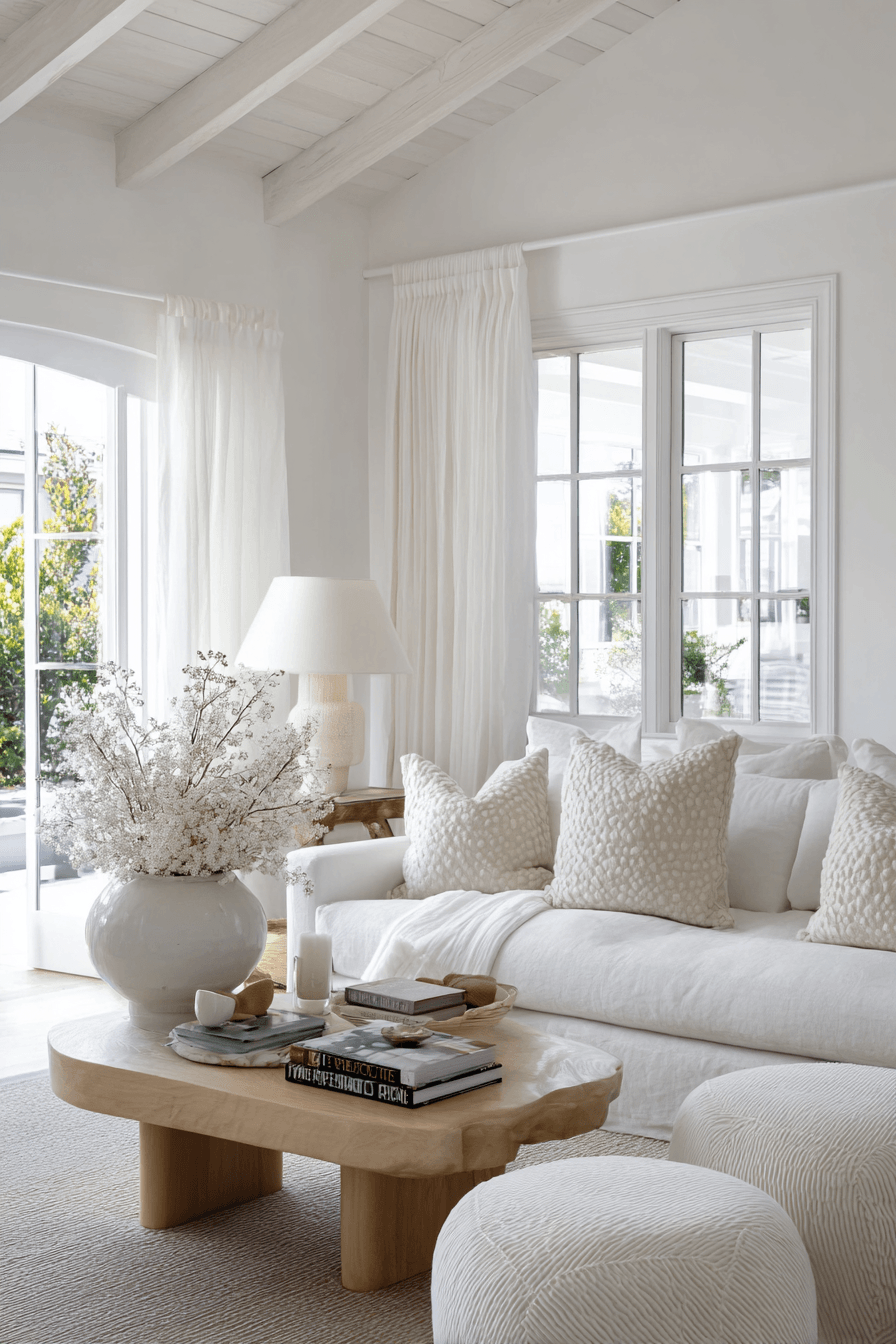
Layered whites create a soft and serene wabi sabi japandi living room that feels both airy and warm. Subtle variations in tone prevent the space from feeling flat. Natural textures like wood and linen add gentle contrast. The overall look remains light and balanced. Simplicity becomes the highlight. Style your space with whites that feel calm and inviting.
12. Japandi Fusion Living Approach
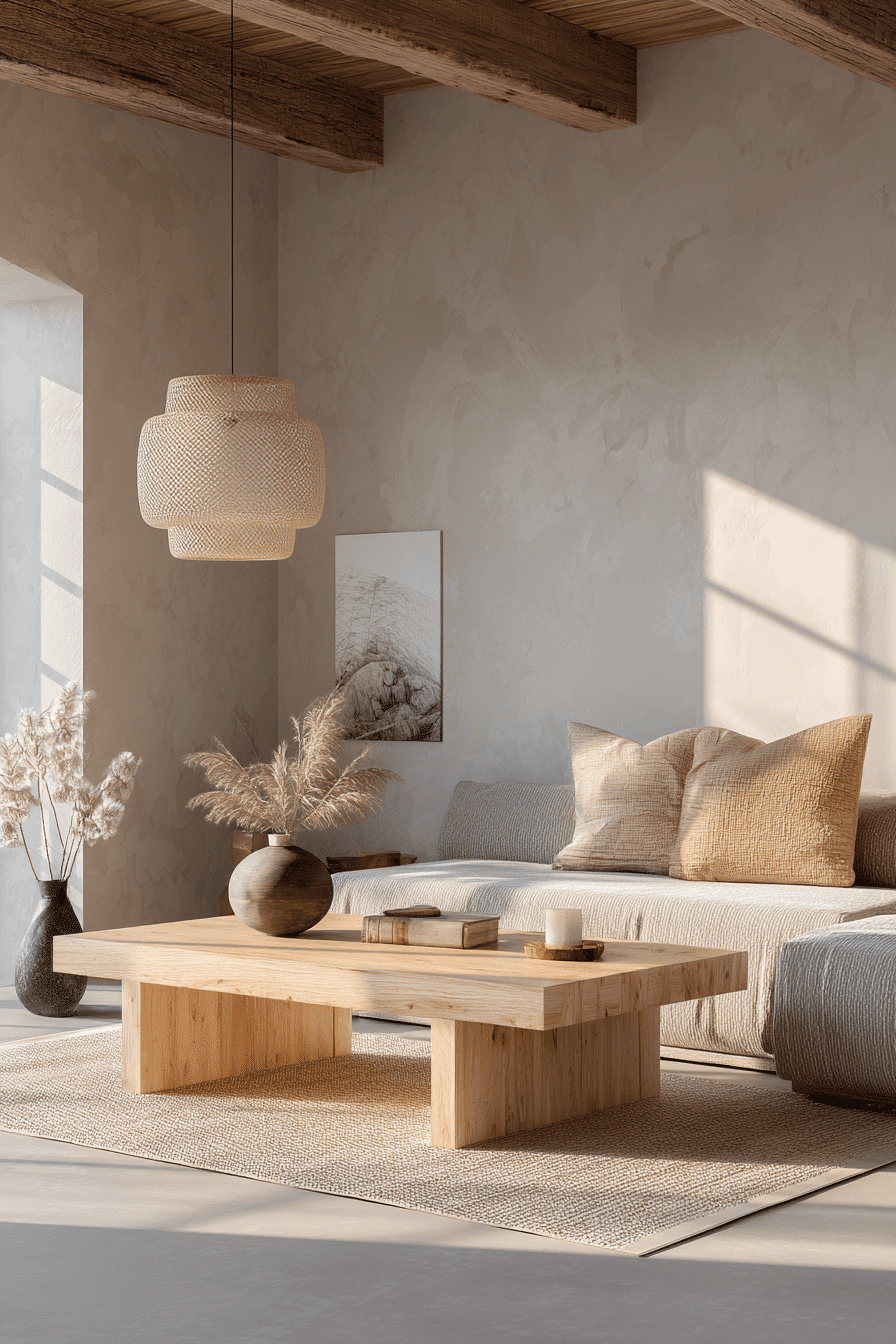
Blended design influences give a wabi sabi japandi living room its unique sense of harmony and warmth. Japanese simplicity meets Scandinavian functionality in a seamless way. Furniture stays practical while offering comfort. Each detail feels considered and balanced. The overall aesthetic feels timeless and grounded. Bring this harmonious blend into your living room for a refined result.
13. Curved Form Interior Styling
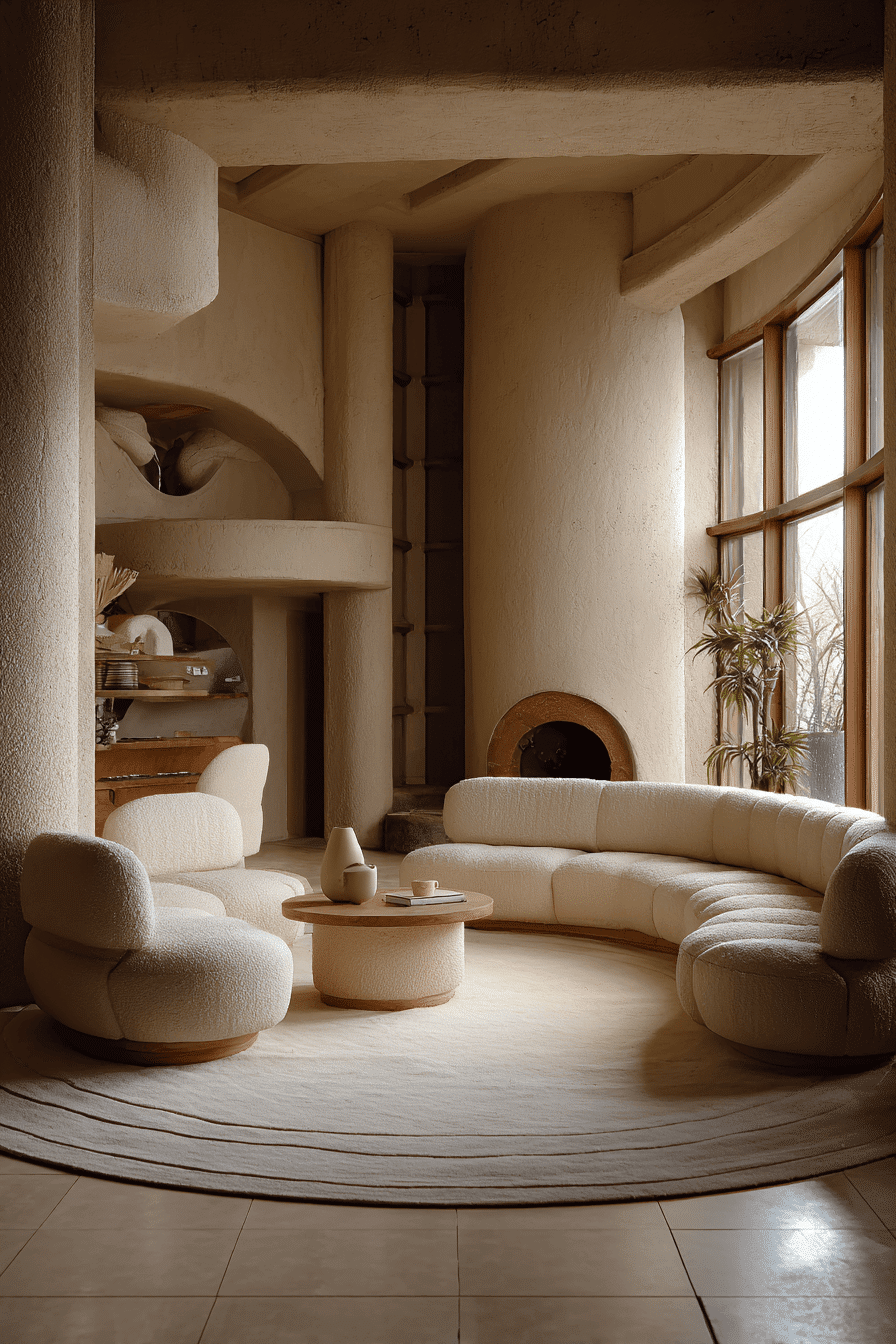
Soft, rounded forms introduce a sense of ease into a wabi sabi japandi living room without disrupting its simplicity. Curved furniture adds movement and flow to the space. These shapes balance the clean lines found throughout the design. Neutral tones allow them to stand out naturally. The space feels inviting and comfortable. Add gentle curves to create a more relaxed and welcoming atmosphere.
14. Quiet Reflection Living Zone
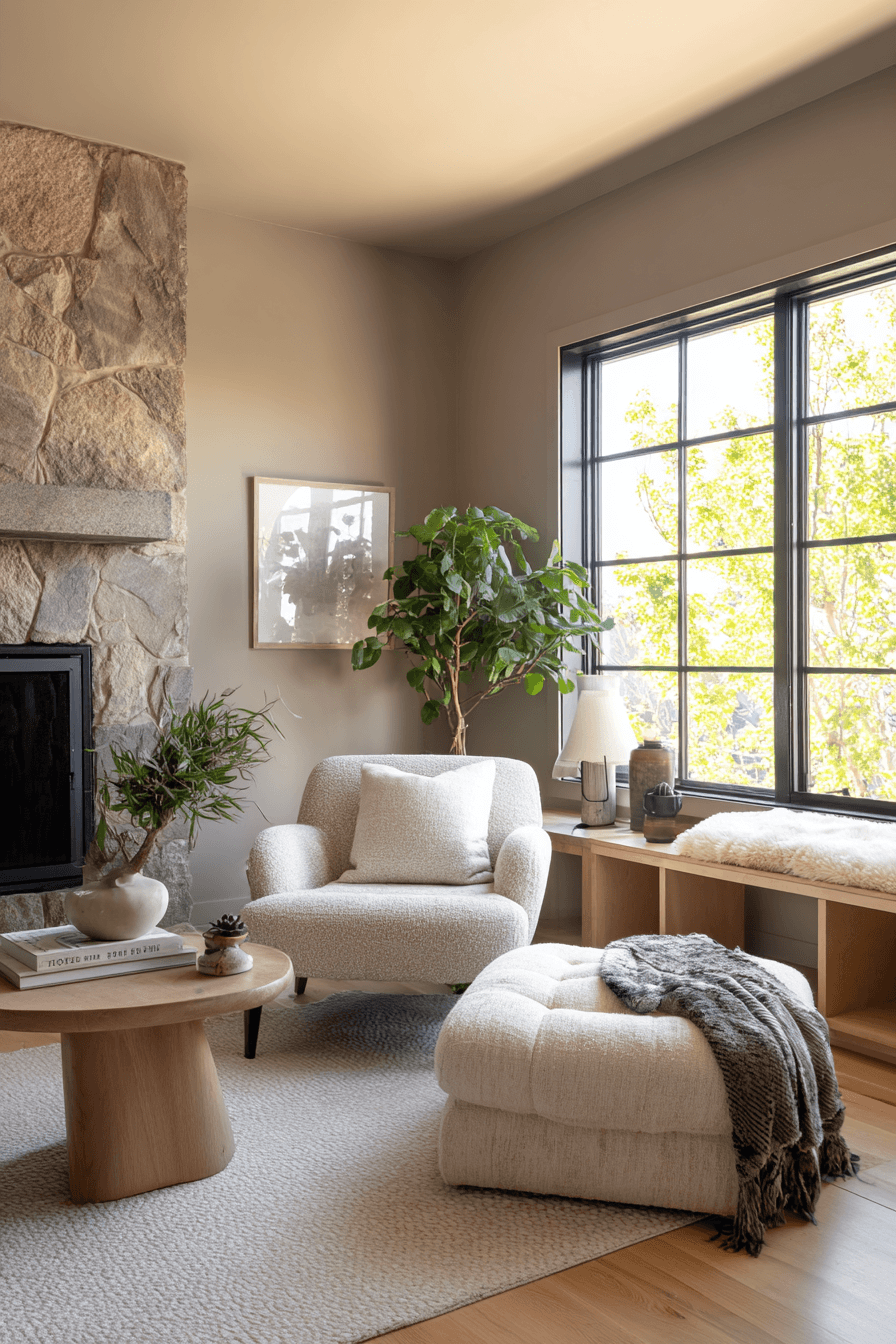
Stillness becomes the focus in a wabi sabi japandi living room designed for quiet moments and reflection. Muted tones and simple furnishings create a peaceful environment. Soft lighting adds warmth without drawing attention. The layout supports restful activities like reading or meditating. Every detail feels intentional. Design a space that encourages calm and presence every day.
15. Balanced Harmony Spatial Design
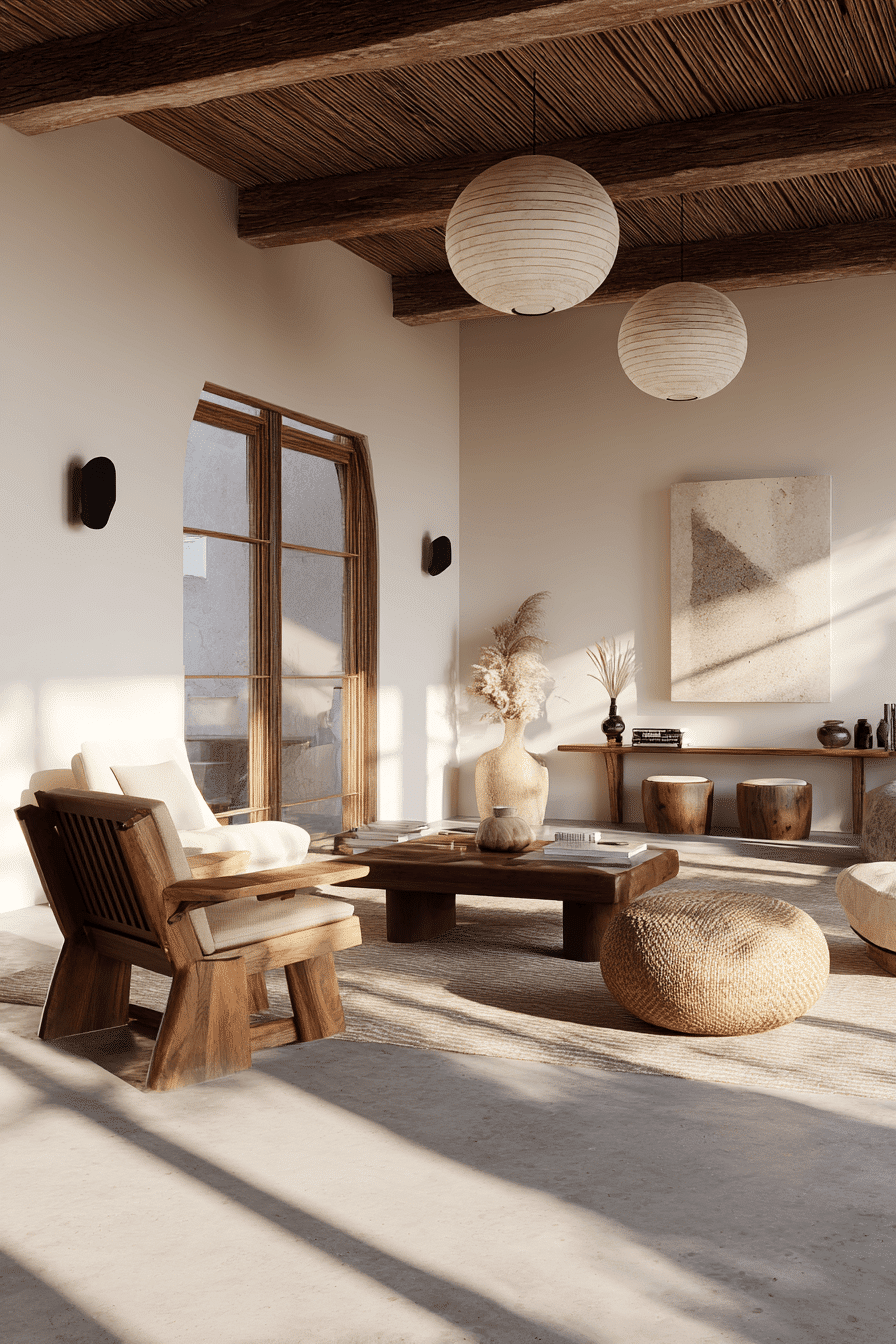
Subtle harmony defines a wabi sabi japandi living room where every element works together effortlessly. Materials and colors blend seamlessly across the space. Furniture placement creates a gentle visual rhythm. The layout feels structured yet relaxed. The result is cohesive and calming. Bring harmony into your home with thoughtful design choices.
16. Light Shadow Mood Effect
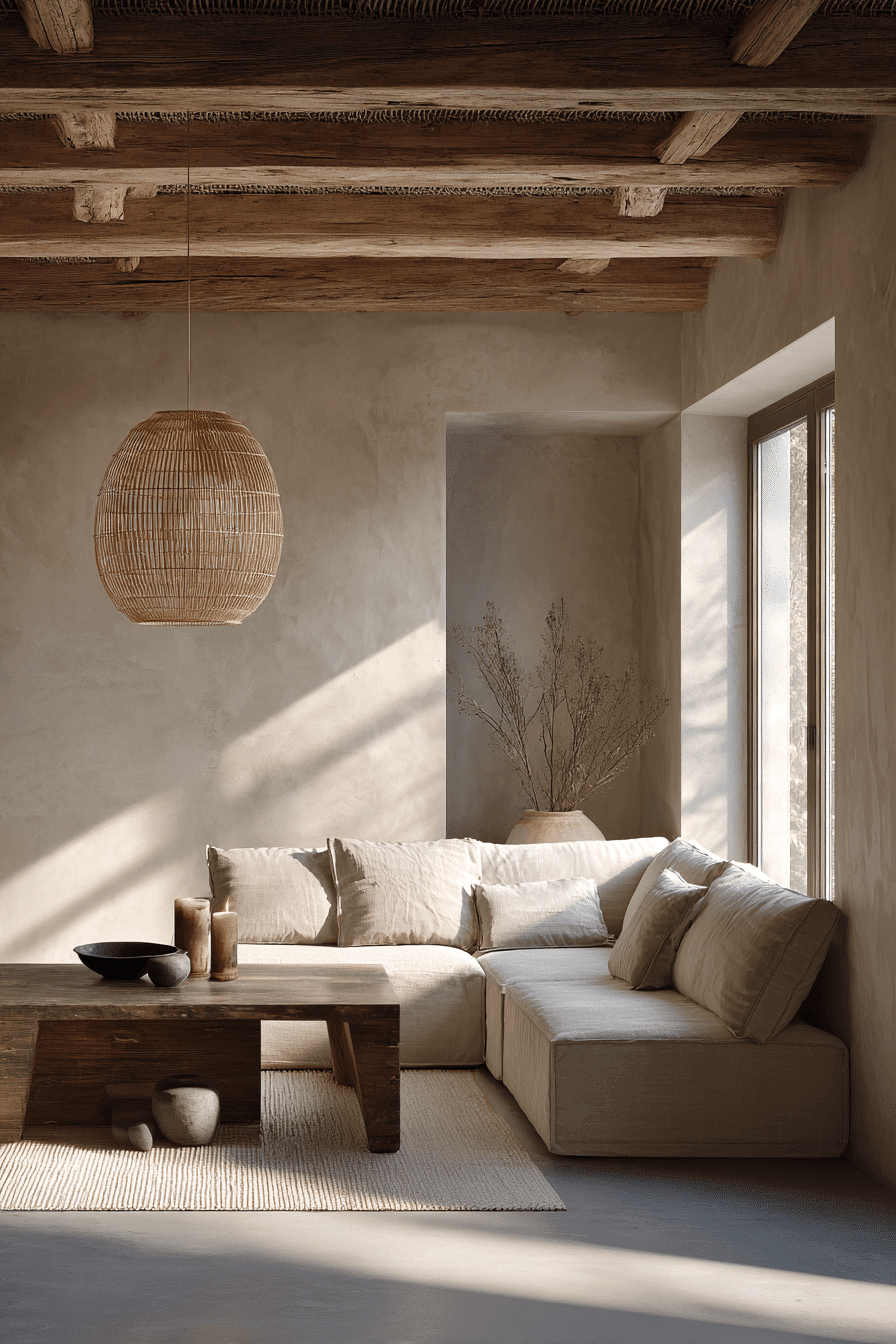
Changing light adds gentle movement to a wabi sabi japandi living room, creating depth throughout the day. Sunlight highlights textures and materials as it shifts. Soft lighting enhances this effect in the evening. The space feels dynamic without losing its calm nature. Subtle changes keep the design engaging. Use light intentionally to add warmth and dimension.
17. Functional Simplicity Interior Design
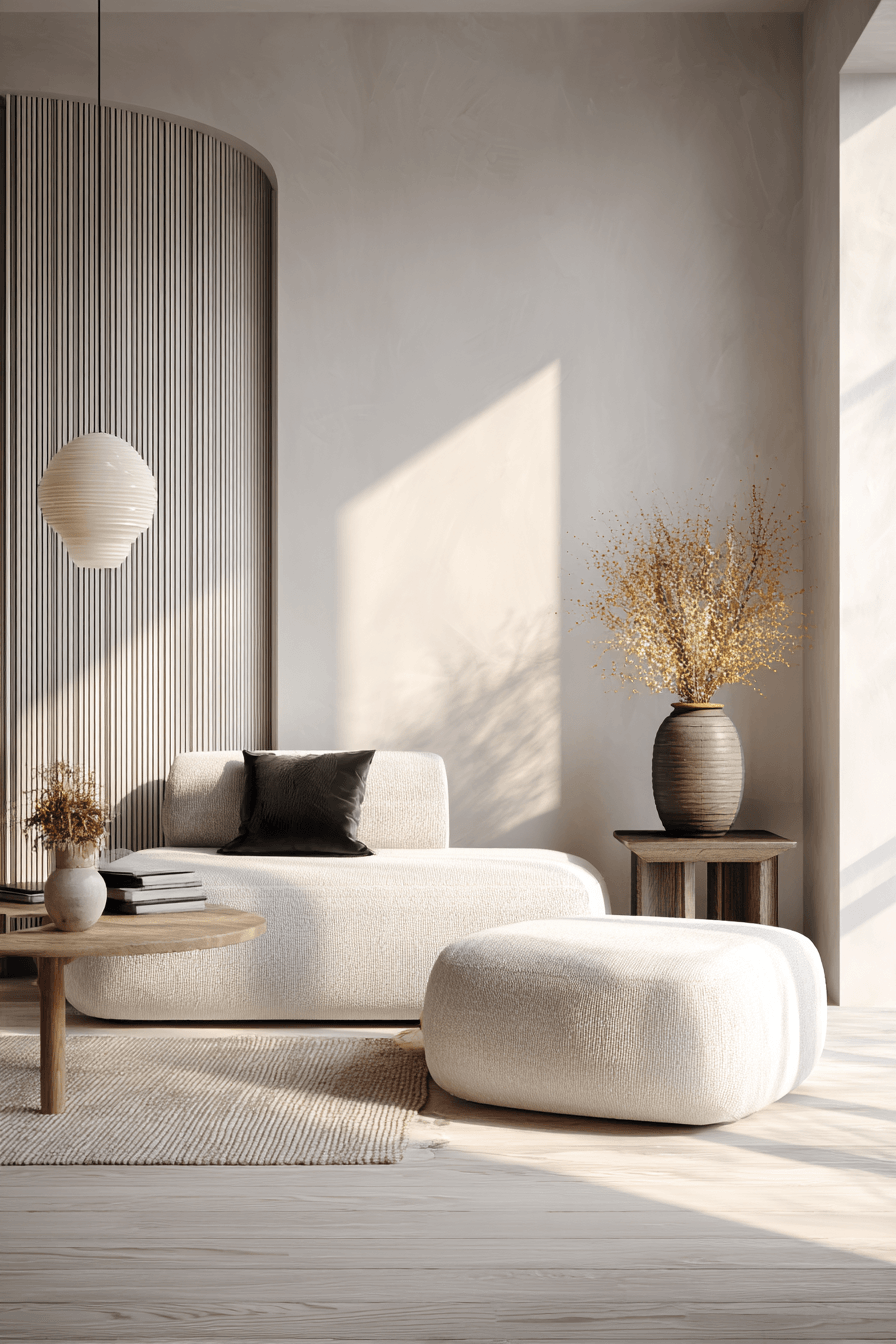
Functional design shapes a wabi sabi japandi living room into a clean and practical environment that still feels warm. Each piece serves a purpose within the layout. Neutral tones allow textures to stand out. The space remains easy to maintain and uncluttered. Simplicity becomes the defining feature. Create a living room that balances beauty and usability.
18. Subtle Luxury Material Focus
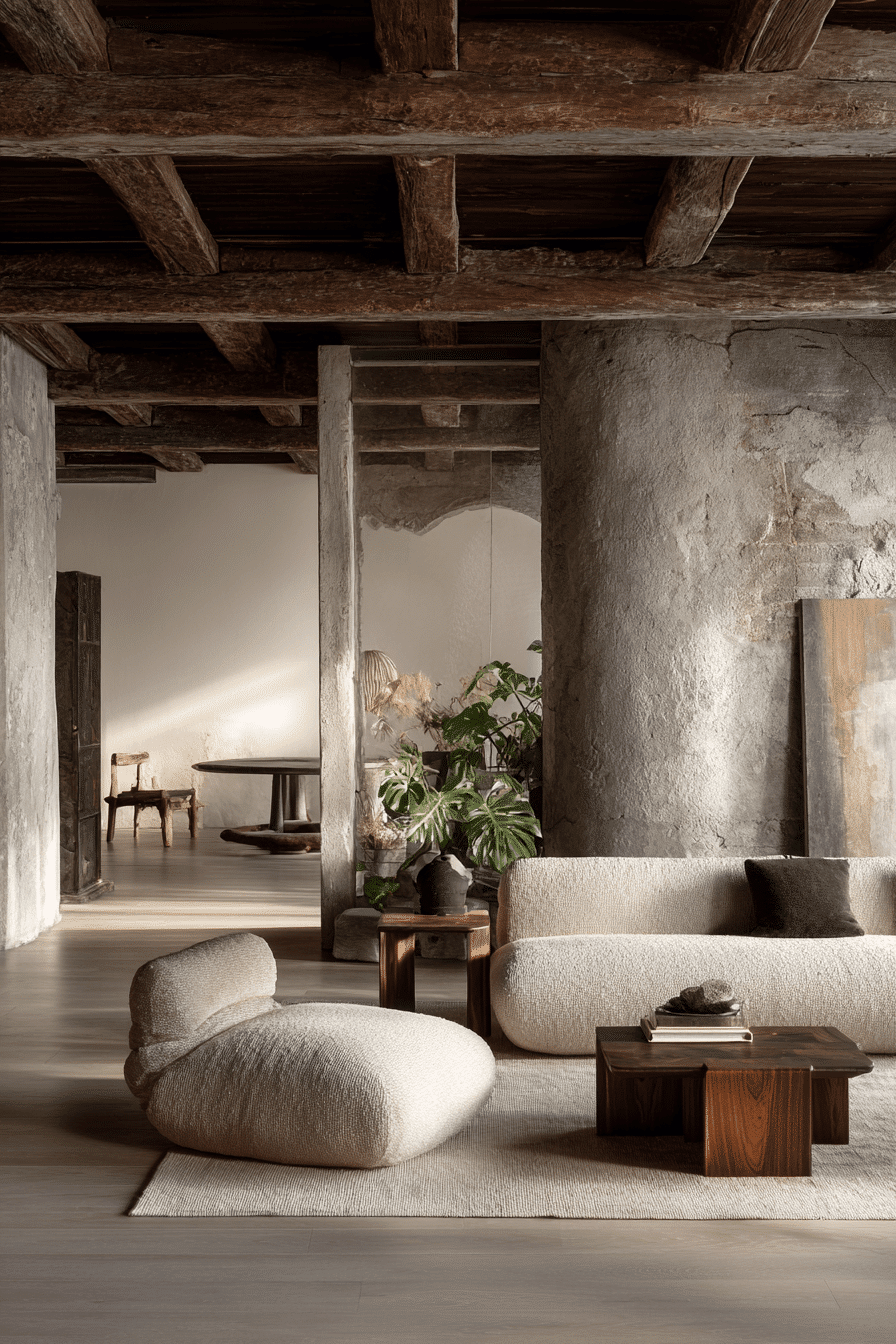
Quiet refinement defines a wabi sabi japandi living room through thoughtful materials and subtle details. Linen, wood, and soft finishes create a warm and elegant look. Handcrafted elements add depth and individuality. The neutral palette allows these features to shine. The space feels sophisticated yet relaxed. Introduce understated elegance into your home with natural materials.
19. Organized Calm Living Environment
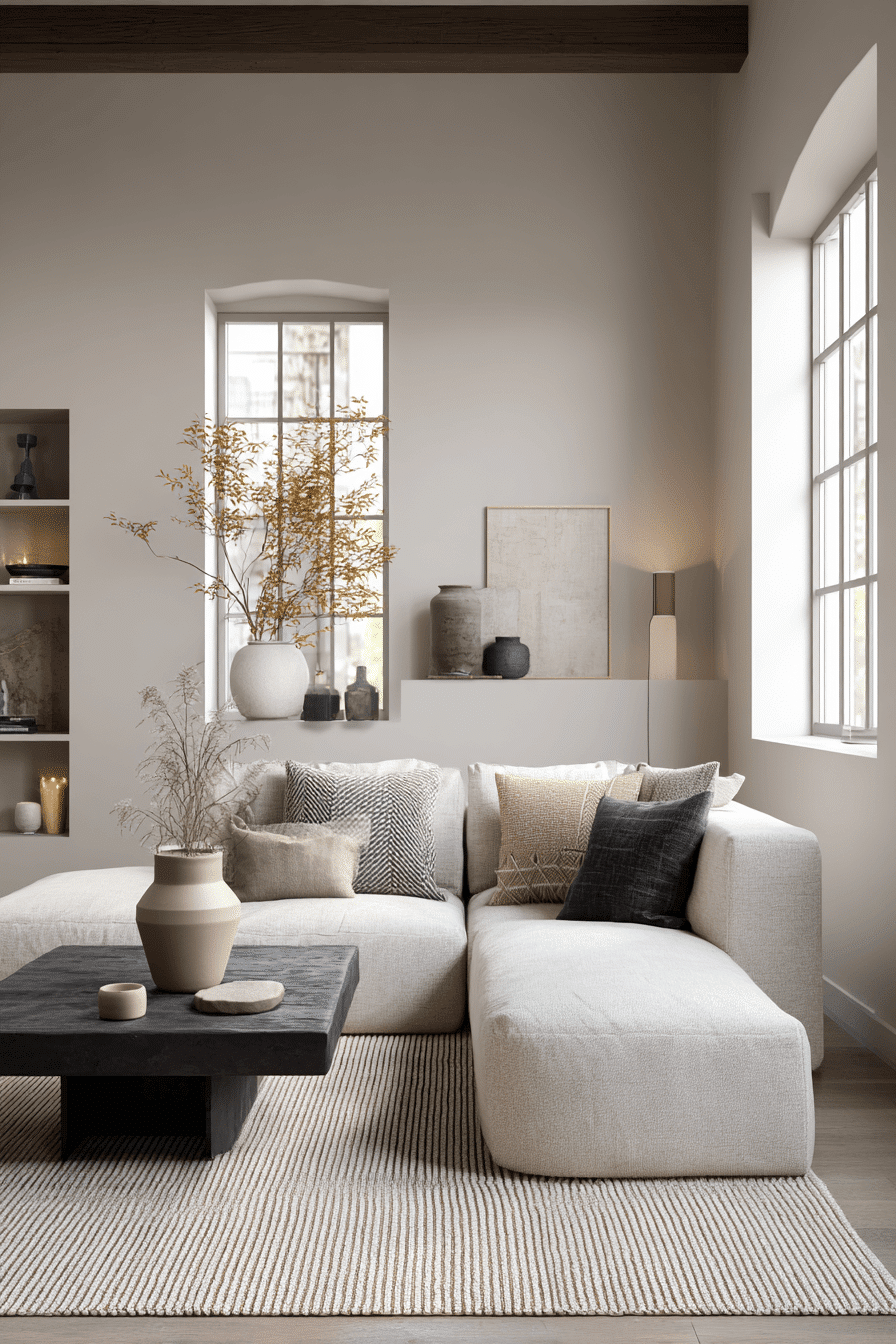
Effortless organization keeps a wabi sabi japandi living room feeling calm and easy to navigate. Smart storage solutions reduce clutter while maintaining simplicity. Multi-purpose furniture adds function without crowding the space. Soft textures and tones bring warmth. The layout feels smooth and comfortable. Create a living room that supports clarity and ease.
20. Streamlined Peaceful Home Concept
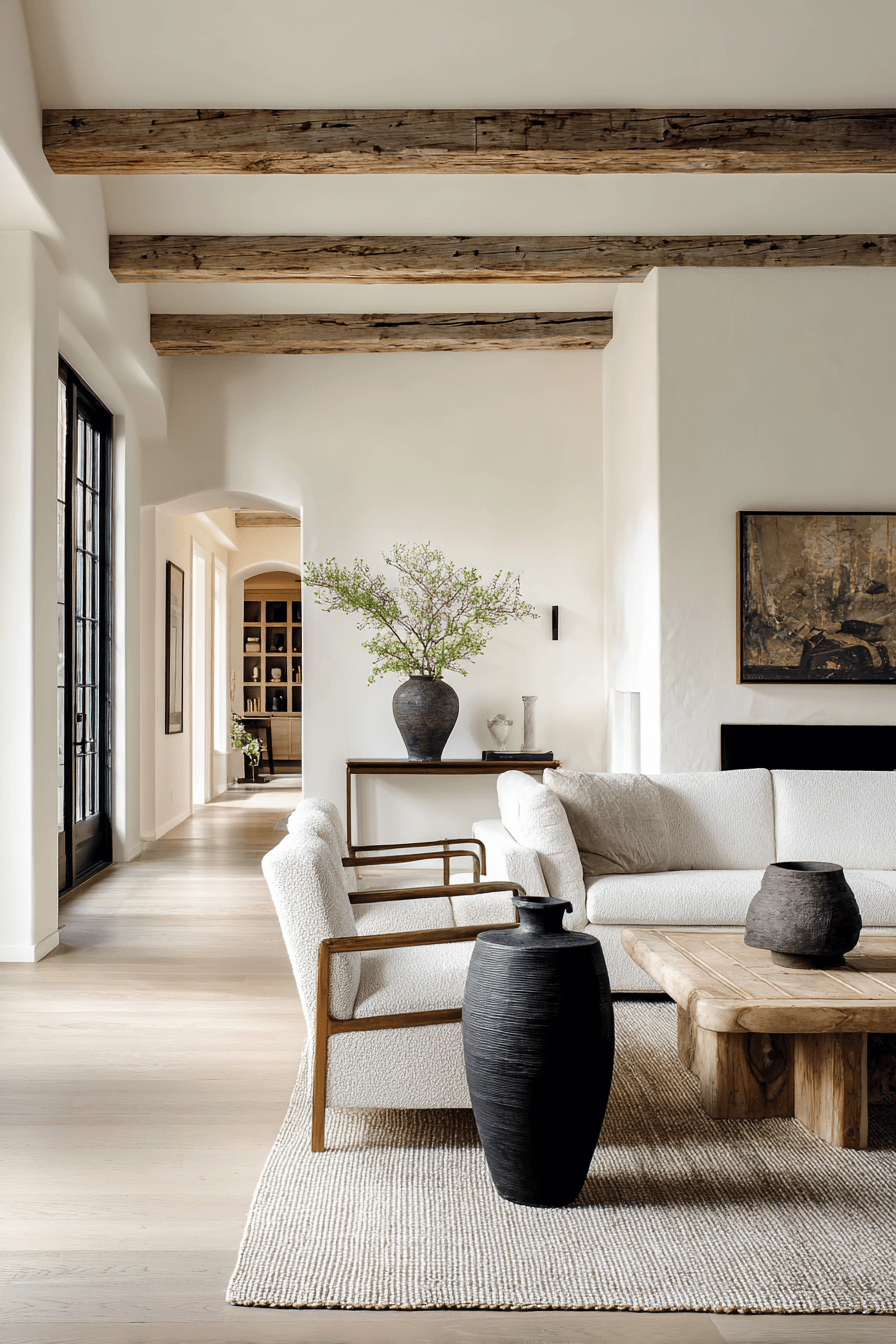
Clean structure transforms a wabi sabi japandi living room into a peaceful retreat with a natural sense of flow. Surfaces stay uncluttered thanks to hidden storage. The layout moves seamlessly from one area to another. Natural materials add warmth without heaviness. The environment feels intentional and calm. Design your own retreat that feels both simple and grounding.
21. Intentional Essential Decor Approach
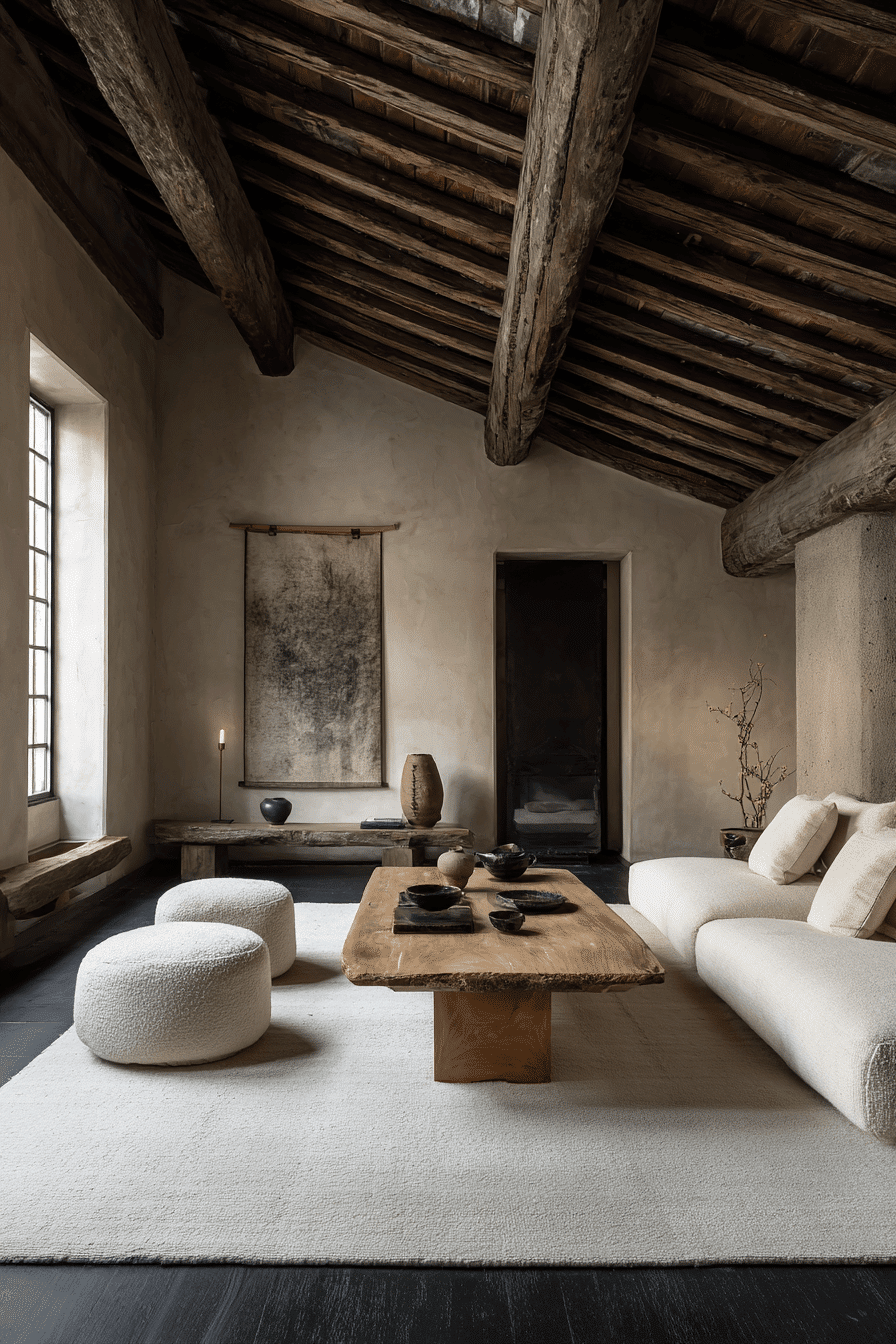
Purposeful design choices give a wabi sabi japandi living room a sense of meaning and clarity. Each item is selected with care and intention. Clean lines keep the space open and uncluttered. Natural textures add quiet comfort. The overall atmosphere feels grounded. Focus on essentials to create a more meaningful living space.
22. Timeless Tranquil Interior Style
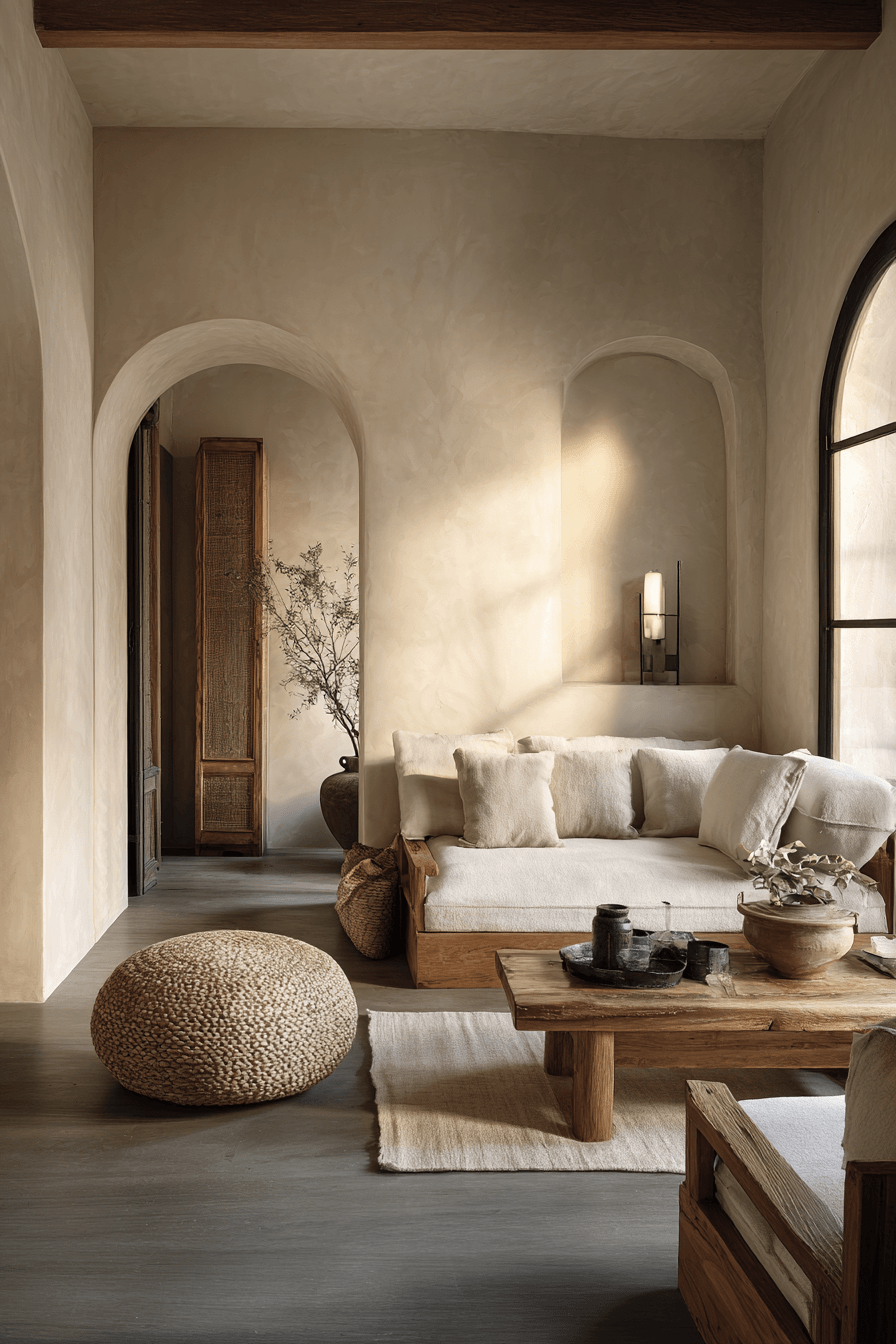
Lasting simplicity defines a wabi sabi japandi living room that feels timeless and enduring. Durable materials and clean forms maintain their appeal over time. Soft lighting enhances the calm atmosphere. Open layouts allow the space to breathe. Every detail supports long-term comfort. Bring timeless simplicity into your home for lasting peace.
23. Gentle Symmetry Layout Balance
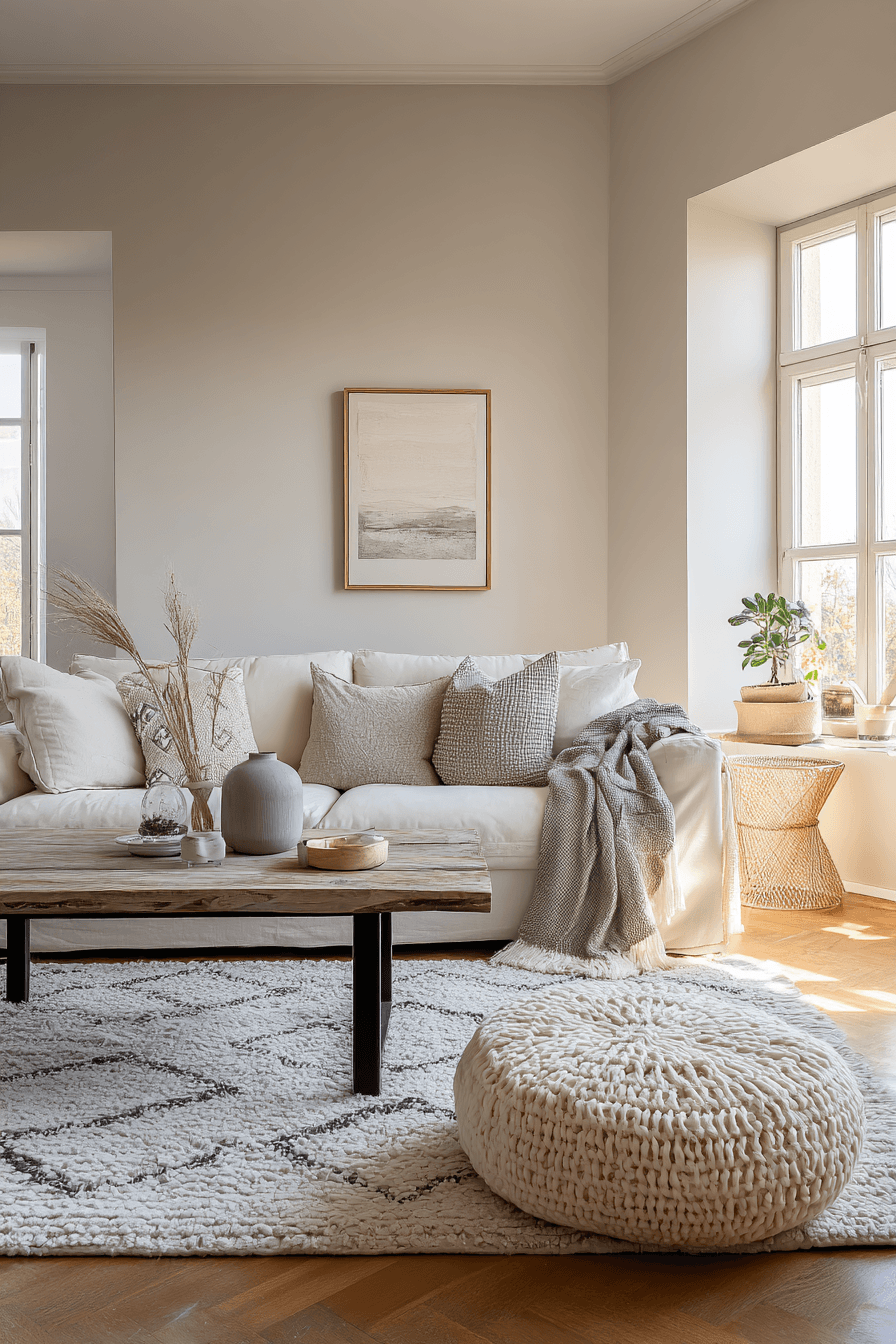
Balanced arrangement brings a wabi sabi japandi living room together with a calm and cohesive feel. Furniture placement creates gentle symmetry without rigidity. Soft tones unify the design. The layout feels natural and inviting. Visual balance makes the space easy to enjoy. Create harmony in your home with thoughtful placement.
24. Refined Comfort Living Experience
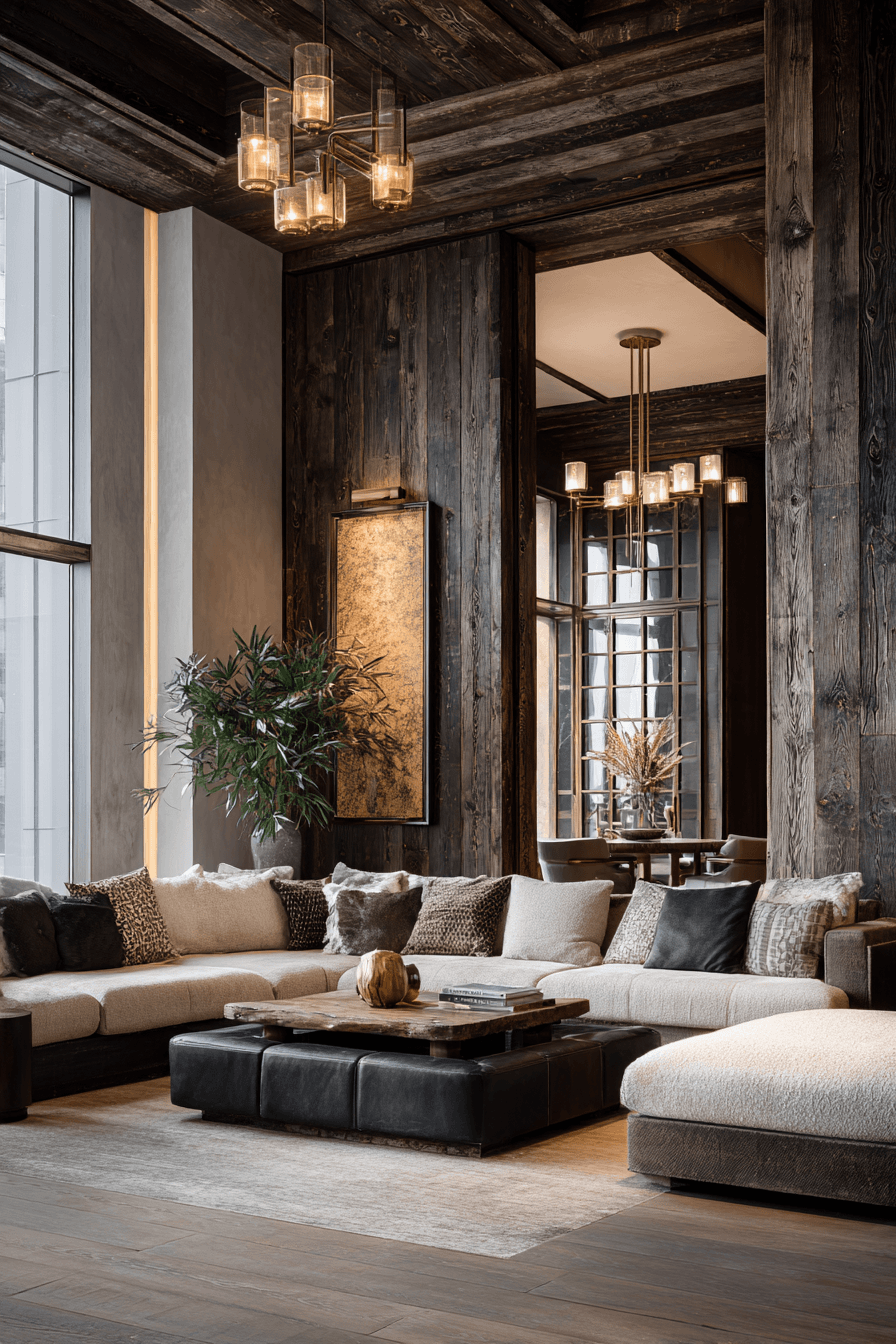
Relaxed elegance defines a wabi sabi japandi living room where comfort and style blend effortlessly. Clean lines keep the design polished. Natural materials add warmth and authenticity. The space adapts easily for quiet time or social gatherings. Every piece feels intentional. Design a living room that feels both refined and livable.
25. Flowing Organic Shape Design
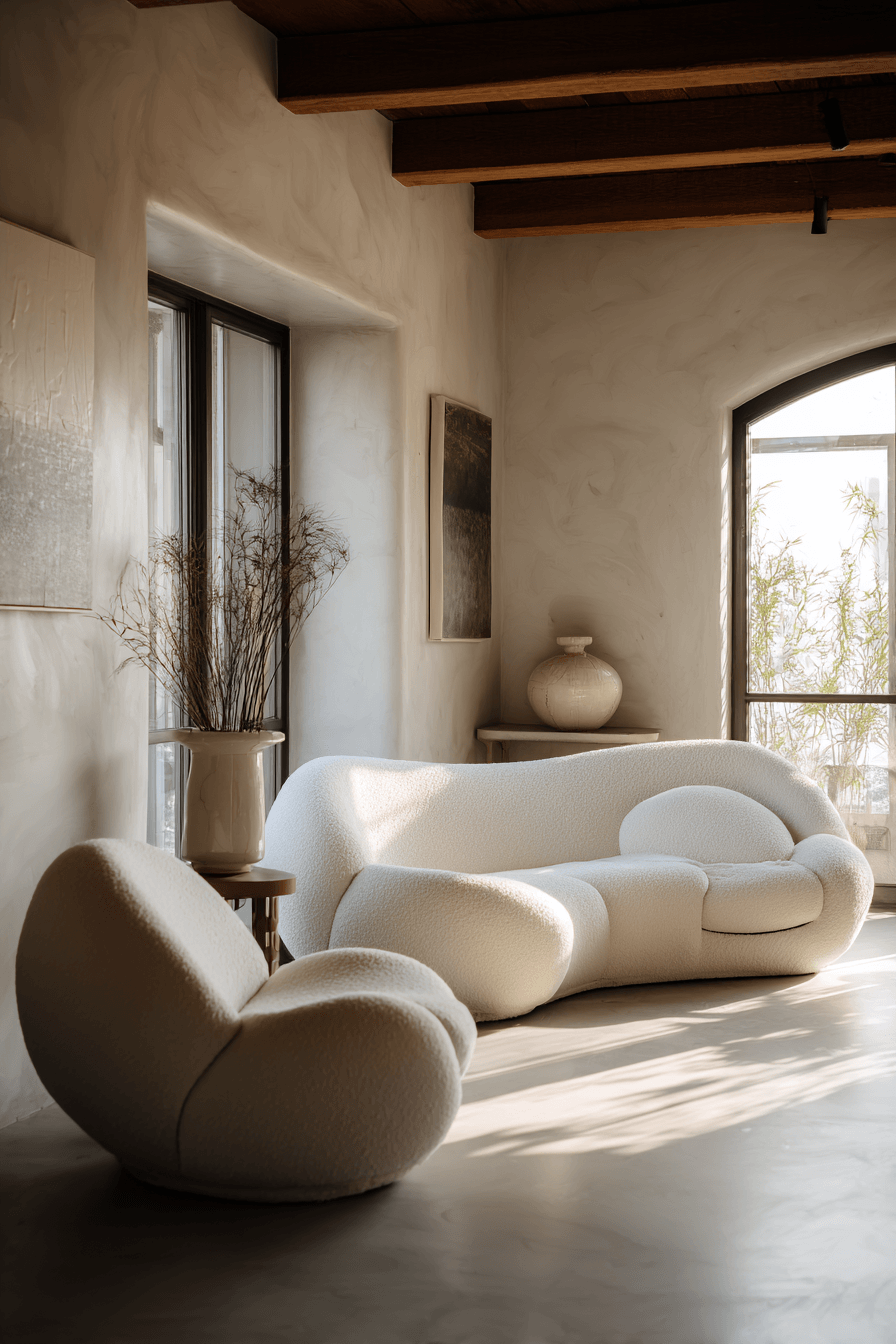
Gentle movement comes from flowing shapes within a wabi sabi japandi living room, adding softness to the design. Curved furniture introduces a welcoming feel. These forms create balance without disrupting calmness. Neutral tones allow shapes to stand out naturally. The space feels relaxed and warm. Add flowing forms to make your living room feel more inviting.
26. Minimal Elegant Space Expression
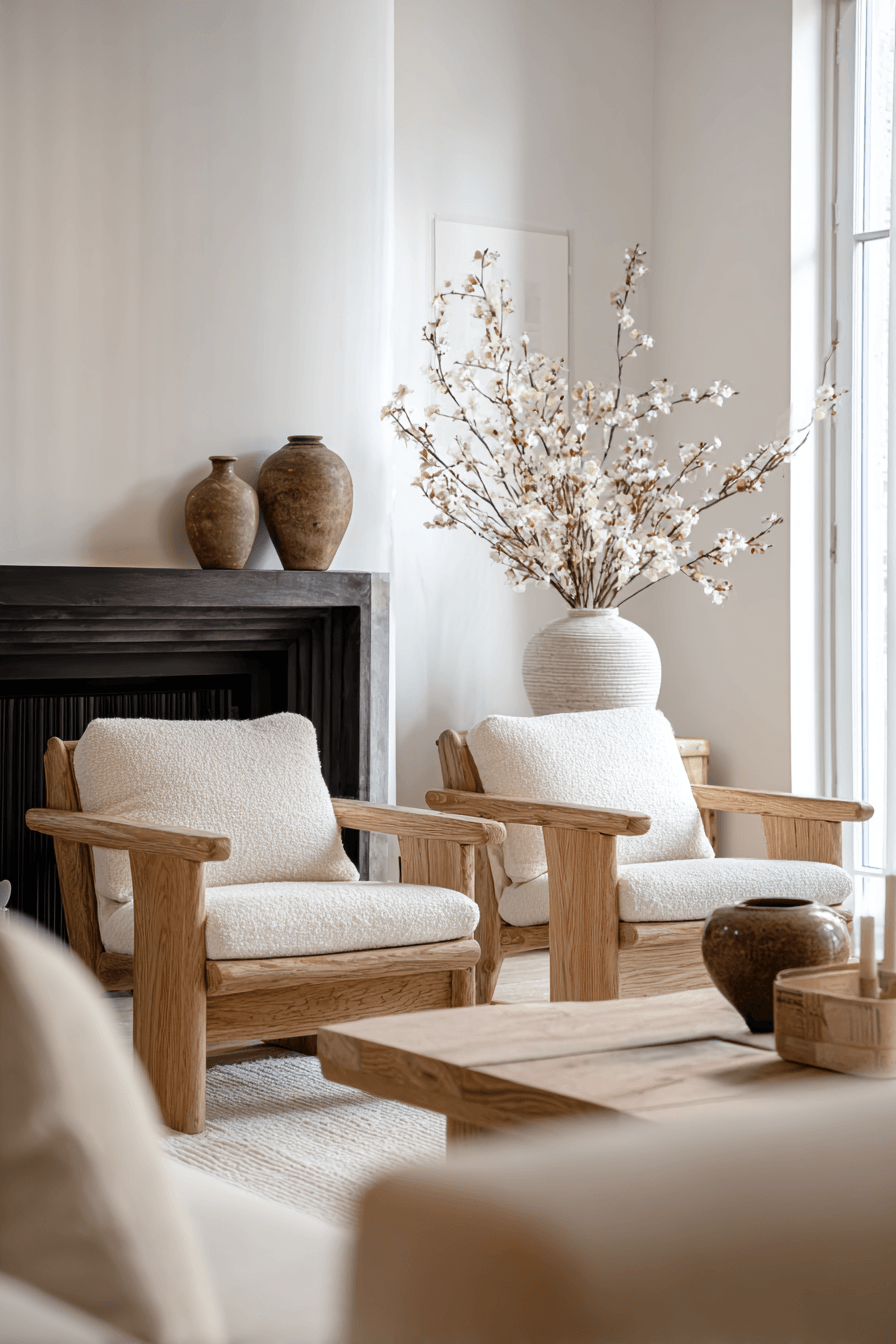
Pure simplicity shapes a wabi sabi japandi living room into a space that feels complete without excess. Carefully chosen decor keeps everything intentional. Clean surfaces maintain openness and clarity. Natural materials add warmth and texture. The overall design feels balanced and serene. Create a home that celebrates simplicity done beautifully.
27. Calm Inviting Daily Living
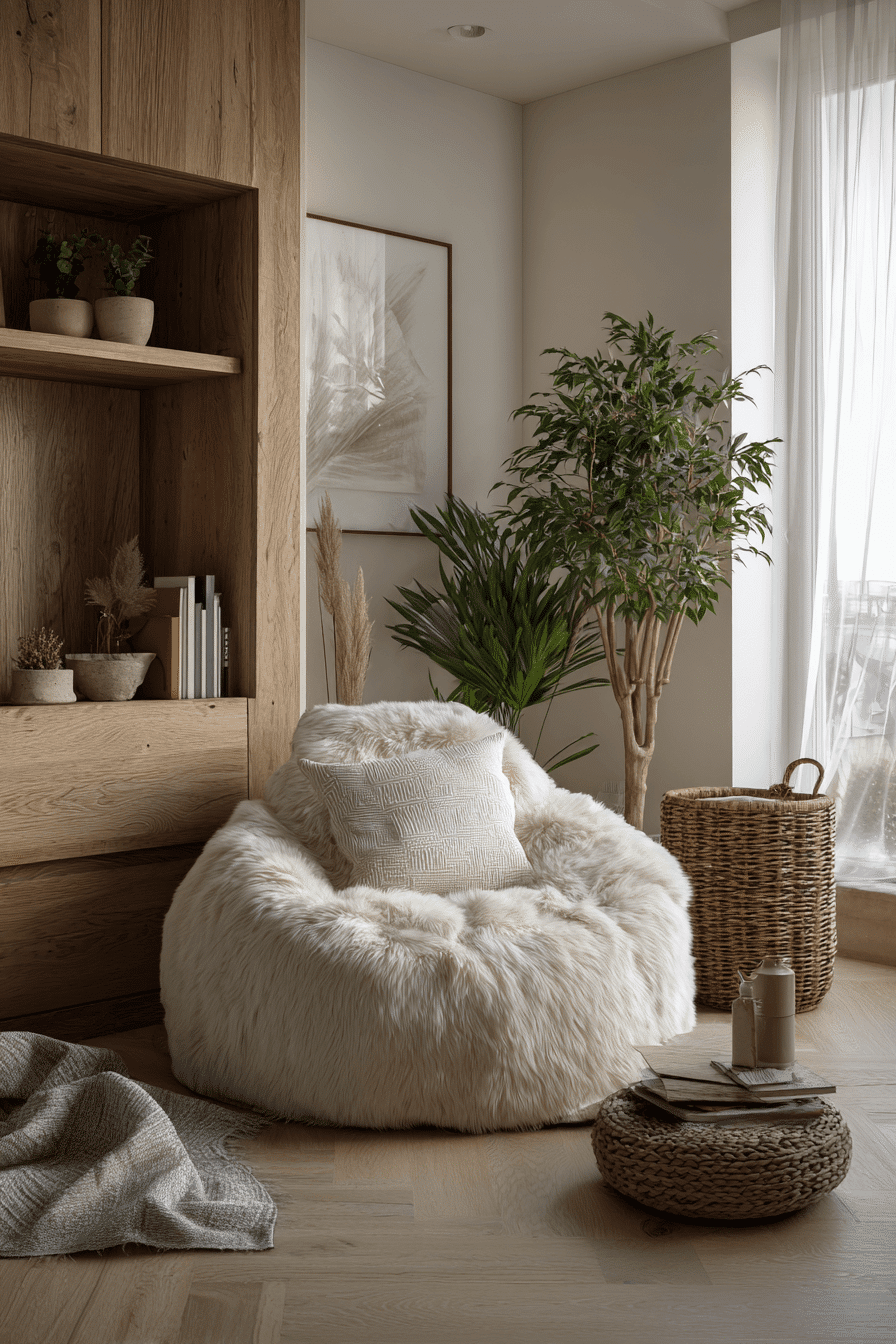
Daily comfort defines a wabi sabi japandi living room that feels both practical and peaceful. Cozy furniture blends seamlessly with clean design. Hidden storage keeps everything organized and out of sight. Soft tones create a cohesive look. The space feels inviting and easy to live in. Find inspiration to design a living room that truly supports your lifestyle.
Conclusion
A wabi-sabi Japandi living room embraces imperfection and simplicity, creating a space that feels authentic, calming, and deeply connected to nature. These ideas show how to blend Japanese wabi-sabi philosophy with Scandinavian functionality for a living room that is both beautiful and meaningful.